So, you’re thinking about going solar, huh? Awesome! You’re probably picturing those sleek panels quietly soaking up sunshine, maybe even fantasizing about a dramatically smaller electricity bill. But then, inevitably, someone drops a technical term, and your brain starts to do that fuzzy, buffering thing. One of the classic head-scratchers is often, “How many kW per solar panel?”
It’s like asking, “How many miles per gallon does a car get?” The answer isn’t a neat little number, is it? It’s a bit more nuanced, depends on the car, the road, and whether you’ve got a lead foot. Solar panels are a bit like that – charmingly complex, but utterly understandable once you strip away the jargon.
What Even Is a kW, Anyway?
Let’s start with the basics, without needing a physics degree. A kW (kilowatt) is simply a measure of power. Think of it as the panel’s muscle, its potential strength. If you’re imagining a tiny hummingbird flitting around versus a majestic eagle soaring, the eagle has more power, right? That’s kind of the vibe.
It’s not how much electricity the panel produces in a day – that’s measured in kWh (kilowatt-hours), which accounts for time, like how many hours that eagle actually spends flying. No, kW is purely about the panel’s capacity, its maximum output under ideal conditions. You know, like how your coffee maker is rated for 1000 watts (1 kW), meaning it has the power to brew that coffee fairly quickly, not how many cups it makes in a week.
The “Average” Panel: It’s Like Asking for an Average Shoe Size!
Okay, so there isn't one universal answer to "how many kW per panel." It varies wildly! For residential homes, you’ll typically find panels ranging anywhere from 250 watts (which is 0.25 kW) to a hefty 400 watts (0.4 kW). Some of the really fancy, cutting-edge panels are even pushing 450 watts or more! It’s a bit like buying a TV – you can still get a small one, but most folks are going for bigger, sharper, more powerful models these days because technology keeps advancing.
So, when someone says "kW per panel," they're often talking about its rated wattage. A panel rated at 350W is 0.35 kW. See? Not so scary.
What Makes That kW Number Go Up (or Down)?
A few things play into how much punch a single solar panel packs:
Size, Obviously: This one's a no-brainer. A bigger panel with more solar cells generally has a higher wattage. It's like comparing a snack-sized chocolate bar to a king-sized one. More surface area, more chocolate (or, in this case, more sun-catching cells).
Efficiency is Key: This is a biggie. Efficiency refers to how well the panel converts sunlight into usable electricity. A more efficient panel can squeeze more juice out of the same amount of sunlight. Think of it as the panel’s "work ethic." Some panels are just better at their job, less prone to daydreaming in the sun.
The Tech Inside: Without getting bogged down in "monocrystalline versus polycrystalline" debates, just know that different manufacturing processes and materials result in different efficiencies and, therefore, different wattages. It's like comparing different phone brands – they all make calls, but some just perform better.
Brand and Quality: Like anything else, premium brands often invest more in research and development, leading to higher efficiency and wattage. You sometimes pay a little extra for that oomph, but it can be worth it for the long run.
Why Does This Even Matter to Me?
Good question! It matters for a few practical reasons:
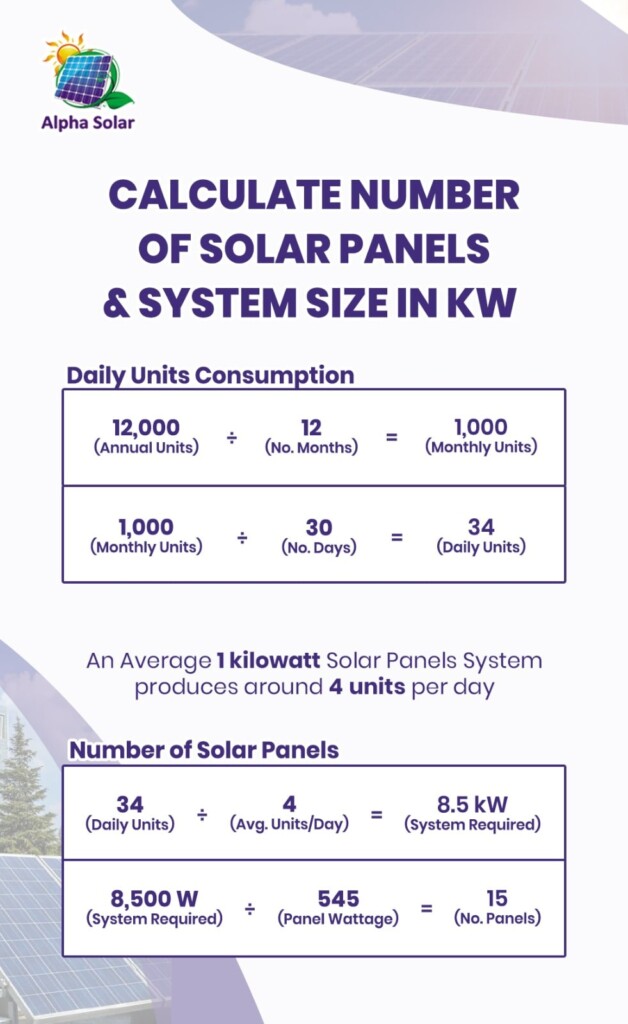
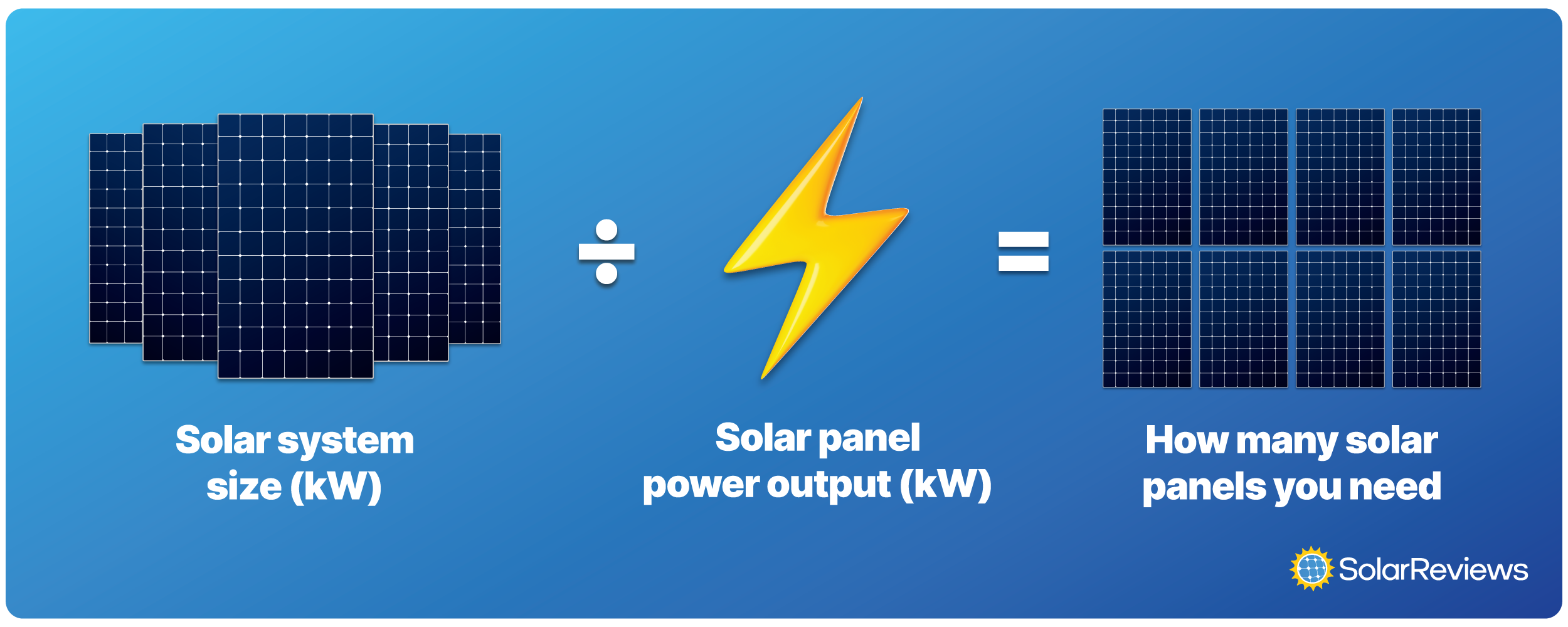
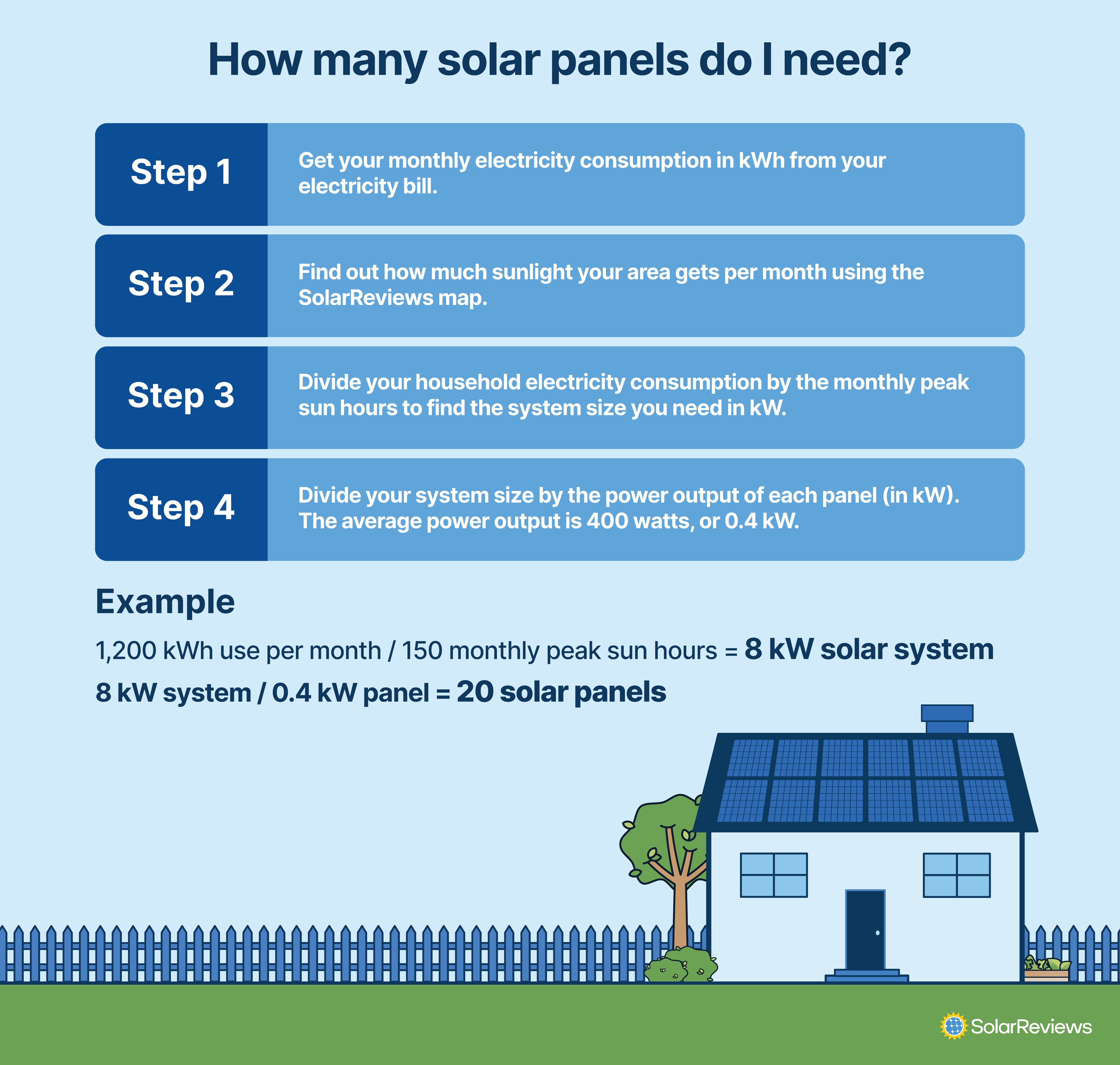
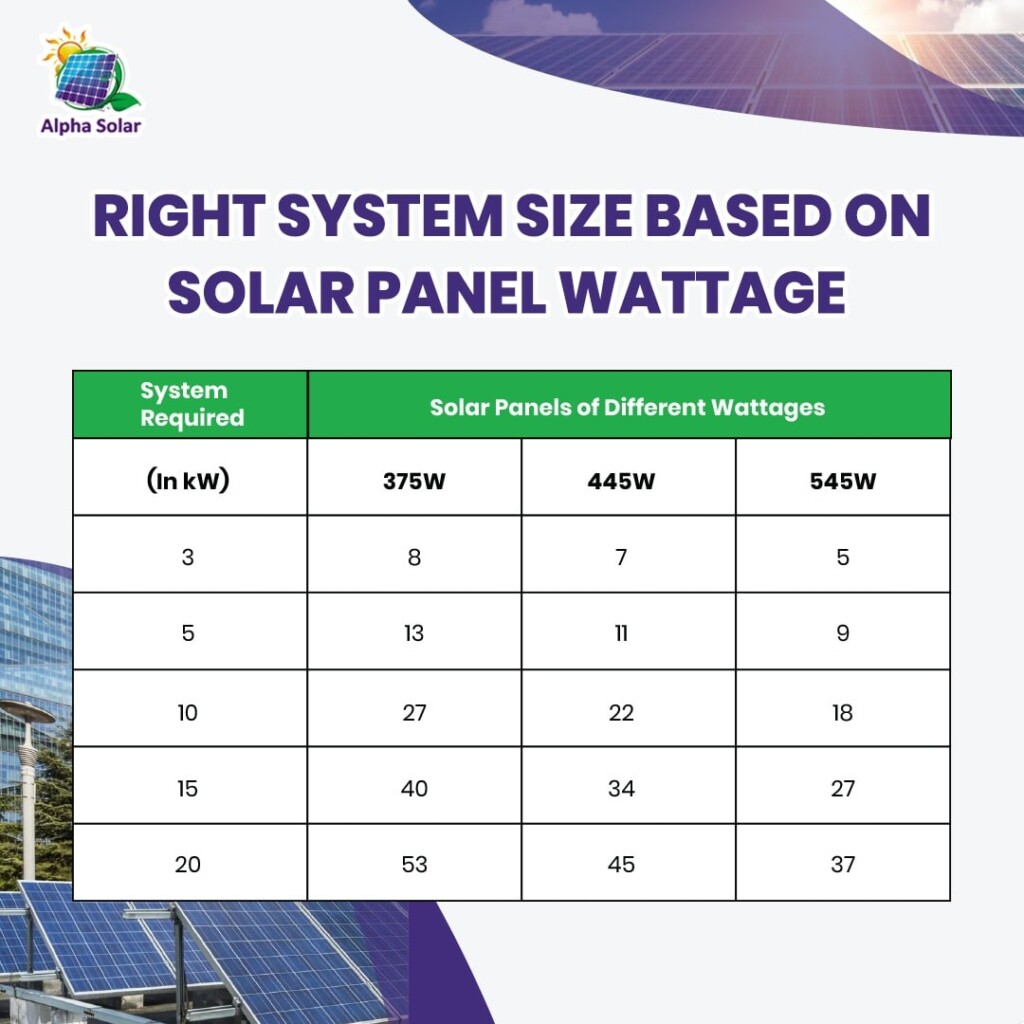
System Size Calculation: If you want a 6 kW solar system (which is pretty common for a family home), and each panel is 300 watts (0.3 kW), you'll need 20 panels (6 kW / 0.3 kW per panel = 20 panels). Easy peasy, right?
Roof Space: This is a big one. If you have limited roof space, you’ll want panels with higher wattage. Why? Because you can get more power from fewer panels, leaving more room for rooftop gardens or maybe that giant inflatable Santa at Christmas. It’s like packing a suitcase – do you want lots of small items or a few powerful, space-saving ones?
Cost (Sometimes): While higher-wattage panels might cost more *per panel*, they can sometimes be more cost-effective *per kilowatt* because you need fewer of them, potentially saving on installation labor and hardware.
The Punchline: Don't Sweat the Small Stuff!
Ultimately, you don't need to become a solar engineer overnight. Your solar installer will do all the heavy lifting and math for you. They’ll look at your energy bills, your roof, and your budget, and recommend the right panels with the right wattage to meet your specific needs.
Your main job is to focus on what you want: lower bills, energy independence, and a greener footprint. Just know that when they talk about kW per solar panel, they’re talking about how much potential power each individual panel brings to the party. And the more potential power your panels have, the more sun-sipping magic they can perform for your home!