.png)
Ever stood there, scratching your head, wondering, "How many miles are in an hour?" or "How many cookies are in a recipe?" Sounds a bit bonkers, right? Well, let me tell you, asking "How many kilowatts in a kilowatt-hour?" is actually in the same delightfully illogical ballpark! But fear not, my friend, because by the end of this little adventure, you'll be practically a guru of grid-speak, ready to dazzle your pals at the next barbecue.
Meet Our Energy Superheroes: Kilowatt and Kilowatt-hour!
First up: The Mighty Kilowatt (kW)!
Imagine a super-fast race car. What defines its raw power? Its engine's horsepower, right? In the world of electricity, the kilowatt (kW) is our equivalent of horsepower or, even better, its pure, unadulterated *oomph*! A kilowatt tells you how much electrical power something needs or uses at any given moment. It’s like the speed you’re driving
Think of a kW as the electrical "speed limit" or the "rate" at which energy is being consumed. A super-powerful hair dryer might blast out 1.5 kW of heat, while a small LED bulb might sip a mere 0.005 kW. It’s all about the instantaneous power!
It’s about how much juice something is chugging down at any single second. Got a big, beefy electric kettle? It'll probably have a high kilowatt rating because it needs a lot of power to boil water super fast. It's all about that *instantaneous* demand!
Next, The Sensational Kilowatt-hour (kWh)!
Now, let’s go back to our race car. While the kilowatt told us its immediate speed, the kilowatt-hour (kWh) tells us something different altogether. It’s the total *distance* that race car has traveled over a certain period. In electricity terms, a kWh isn't about how much power something is using
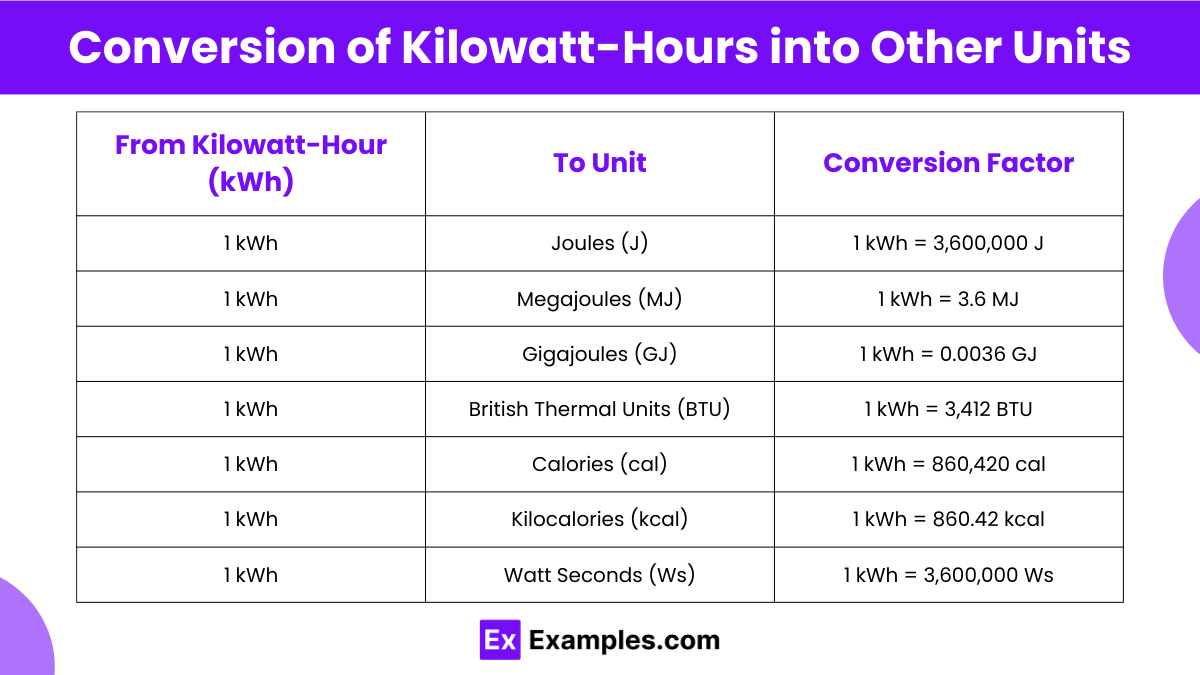
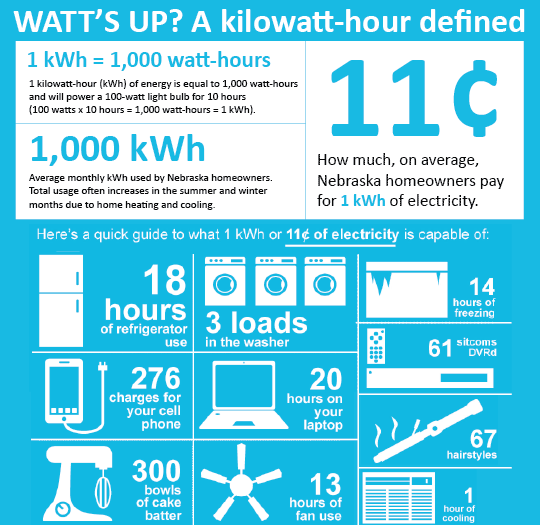
A kWh is the total amount of energy consumed over an hour if a device is using 1 kW of power. It's how your electricity bill is calculated – not by how fast you use power, but by howmuch total energy you've used!
So, if your fancy race car drove at a consistent speed of 100 kilometers per hour for one entire hour, it would have covered 100 kilometers. That 100 kilometers is like your 100 kWh – the total work done. Your electricity meter measures kWh because it wants to know the grand total of all the energy your lights, fridge, TV, and everything else has guzzled over the month.
The Big Reveal: How Many Kilowatts In A Kilowatt-hour?
Alright, moment of truth! You’ve probably guessed it by now, right? How many kilowatts in a kilowatt-hour? The answer, my dear reader, is a resounding...
ZERO! Absolutely none! Nada! Zilch!
It’s like asking, "How many miles are in a minute?" or "How many liters are in a kilometer?" They are measuring entirely different things! One is a rate (how fast), and the other is a total amount (how much). You can't have a *rate* inside a *total amount* any more than you can have a "speed" inside a "distance."
Let's Cement This With a Glorious Analogy!
Imagine you're on a grand road trip in your super-duper, totally eco-friendly electric car.
-
Your speedometer, showing you're zipping along at 100 kilometers per hour
right this second ? That’s your kilowatt (kW)! It's the instantaneous power, the "speed" of your energy use. - Your odometer, which proudly displays that you've covered a total of 500 kilometers since you started your journey? That’s your kilowatt-hour (kWh)! It's the total amount of energy you've consumed, the total "distance" you’ve traveled.
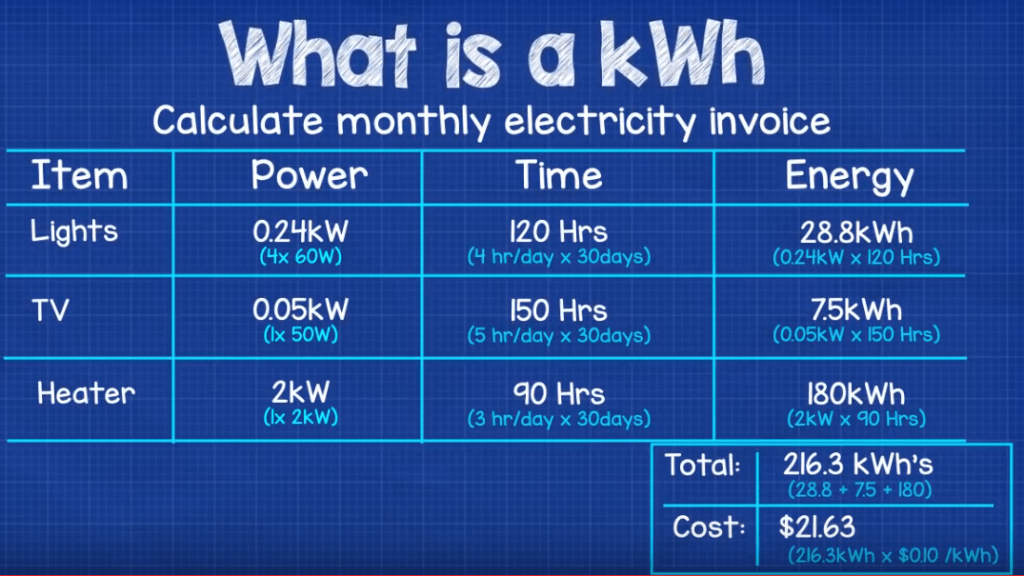
See? If you drive at a steady 100 kW (speed) for exactly one hour (time), you will have used 100 kWh (total energy). It's a beautiful, elegant relationship: Power (kW) × Time (hours) = Energy (kWh).
So, a 1-kilowatt appliance, running for one hour, uses 1 kilowatt-hour of energy. If it runs for half an hour, it uses 0.5 kilowatt-hours. If it runs for two hours, it uses 2 kilowatt-hours. Simple, right?
You're Officially an Energy Whiz!
Next time someone innocently asks how many kilowatts are in a kilowatt-hour, you can confidently (and perhaps with a playful wink) explain the delightful distinction. You now understand that a kilowatt is about