Ever flip a light switch and wonder where all that sparky goodness actually comes from? Or plug in your phone, ready for a fresh charge, and pause for a second to think about the invisible journey the electricity just made to get to your outlet? It’s a bit like magic, isn’t it? For a long, long time, one of the biggest wizards behind that magic in the USA has been the mighty coal plant.
Picture a classic American workhorse: steady, powerful, and always there, humming away to keep our homes bright and our gadgets charged. For generations, coal plants have been the backbone of our power grid, turning humble lumps of coal into the electricity that fuels our lives. But if you were to guess how many of these industrial giants are still chugging along across the country today, you might be in for a bit of a surprise!
The Great Energy Evolution
It’s a story of incredible change, one that’s happening right before our eyes, quietly transforming how we power everything from our morning coffee makers to the giant data centers that run the internet. Just like how flip phones eventually made way for smartphones, or how horse-drawn carriages evolved into electric cars, our energy landscape is always on the move. And the number of operating coal plants is a fantastic snapshot of this ongoing evolution.
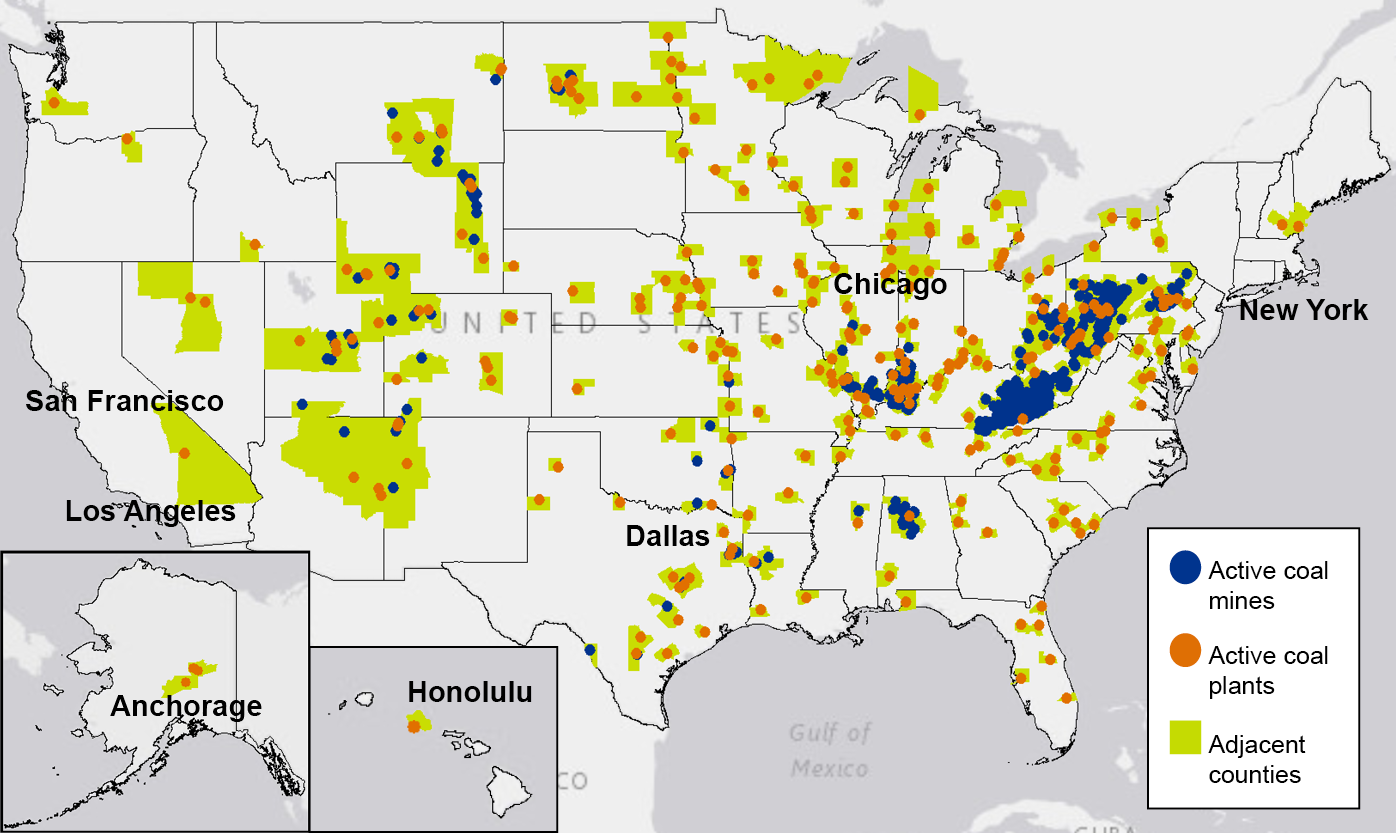
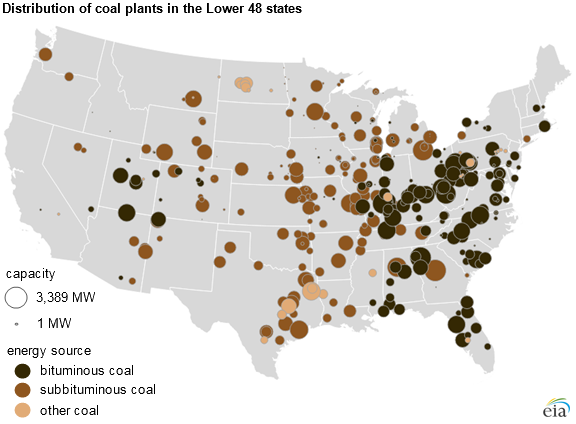
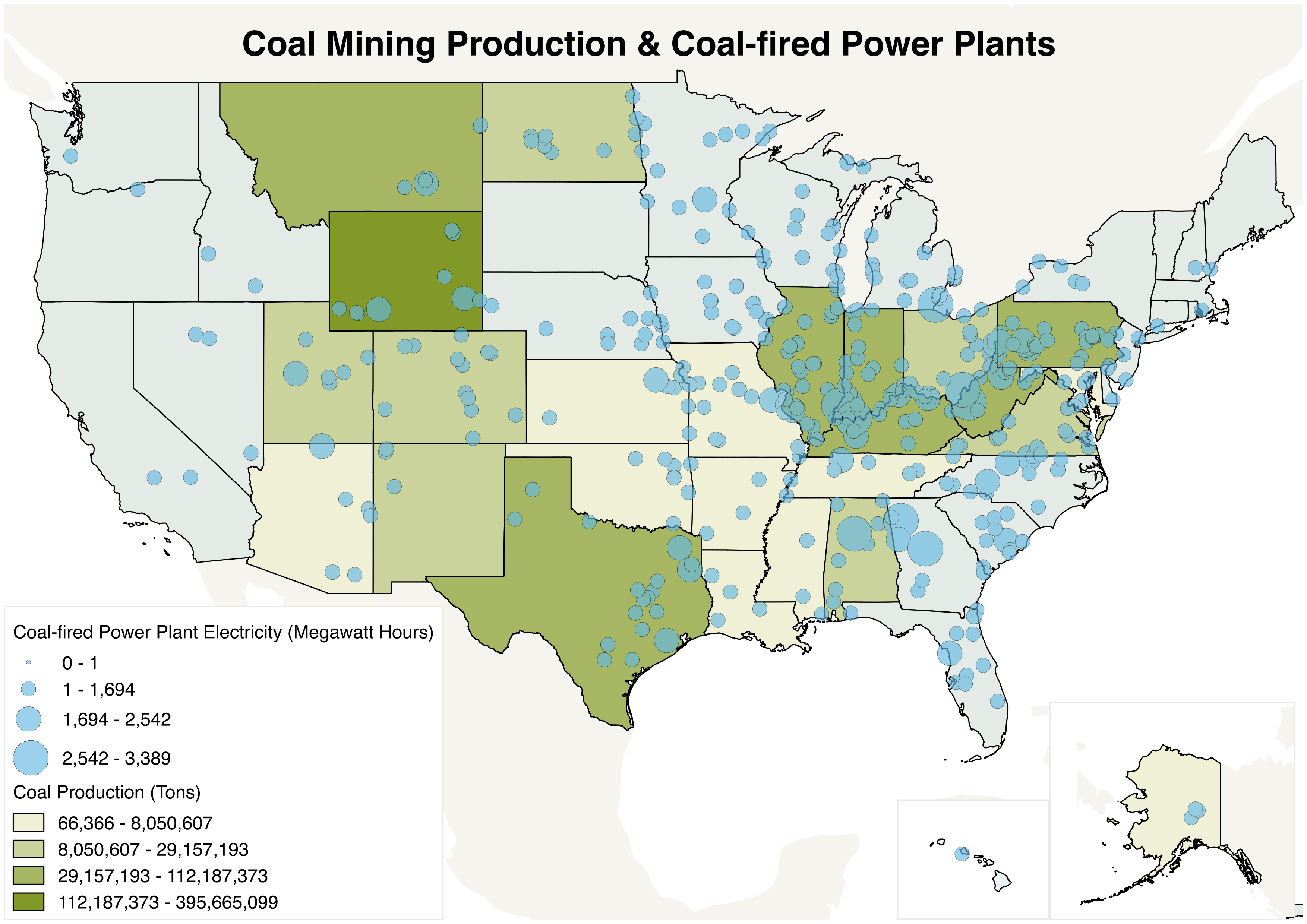
So, what’s the big count? If you asked this question a couple of decades ago, you'd hear a number well over 500, maybe even touching 600. These were truly the titans of their time! But fast forward to today, and that number has seen a dramatic shift. We’re not talking about a small dip; we’re talking about a significant, nationwide pivot. While the exact figure can dance a little from week to week as plants come online, go offline, or get repurposed, the general consensus is that there are now just over 200 large, traditional coal-fired power plants still active across the United States. That's a huge change!
From hundreds upon hundreds, we've seen a remarkable reduction, marking a clear turning point in America's energy story.
From Old Friends to New Horizons
This big drop isn't just a number; it tells a fascinating tale of innovation and new priorities. Imagine an old band that played all the hits for decades finally passing the mic to a new generation of musicians. We’ve seen the rise of incredible alternatives: acres of gleaming solar panels soaking up sunshine like thirsty sponges, towering wind turbines gracefully spinning in the breeze, and more efficient natural gas facilities. These "new kids on the block" are increasingly taking center stage, offering cleaner ways to generate electricity.
The transition isn't always easy, and it certainly has its own challenges and quirks, but it's undoubtedly leading to some heartwarming outcomes. Think about cleaner air in many communities, where skies are a little brighter and breathing is a little easier. It's about looking towards a future where our energy sources are more diverse, more sustainable, and ultimately, better for our planet and our health.
What Happens Next?
When an old coal plant retires, it’s not always a sad farewell. Often, it’s an opportunity for something new and exciting to emerge. Some sites are being repurposed for cleaner energy technologies, becoming hubs for battery storage or even new manufacturing. Others might become economic development zones, bringing different kinds of jobs to communities that once relied heavily on coal. It's a testament to human ingenuity and our ability to adapt and innovate.
So, the next time you flip that switch or plug in your phone, take a moment to appreciate the journey of your electricity. It’s a dynamic, ever-changing story with fewer old coal giants and more sparkling new sources stepping up to the plate. It's a truly remarkable evolution, reminding us that even something as fundamental as how we power our lives is full of progress, surprises, and a whole lot of hope for a brighter, cleaner future. And that, in itself, is something pretty fantastic to think about!