Ever walked into a room and it just felt... icky? Stuffy, a bit stale, maybe even a little heavy? Or perhaps you’ve been in a beautifully fresh space and wondered, "How do they do that?" Well, you’re touching on a fascinating, often invisible, but utterly essential aspect of our indoor environments: air circulation and the magic number known as CFM. And today, we're going to peek behind the curtain and ask: how many CFM for 1000 sq ft? It’s not just a technical spec; it's about comfort, health, and even the feeling of a well-designed space.
First off, let’s demystify CFM. It stands for Cubic Feet per Minute, and it’s essentially a measurement of how much air a fan or ventilation system can move in one minute. Think of it like this: if you have a box that’s 1 foot by 1 foot by 1 foot, that’s one cubic foot. CFM tells you how many of those "boxes" of air are shuffled around every minute. So, why do we care about CFM, especially for a space like 1000 square feet? Its primary purpose is to ensure adequate ventilation, which means bringing in fresh air and expelling stale, humid, or pollutant-laden air.
The benefits are immense. Proper CFM ensures a continuous supply of fresh oxygen, reduces the concentration of airborne pollutants (like dust, allergens, pet dander, or VOCs from furniture and cleaning products), controls humidity (preventing mold growth!), and even helps regulate temperature. Ultimately, it leads to a healthier, more comfortable, and more productive living or working environment. No more stuffy rooms making you feel sluggish!
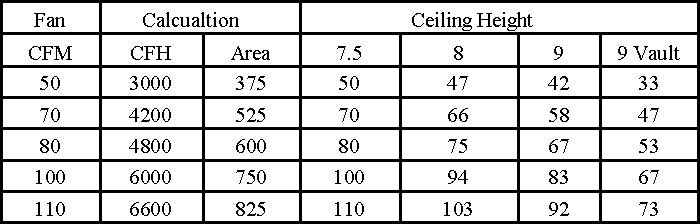
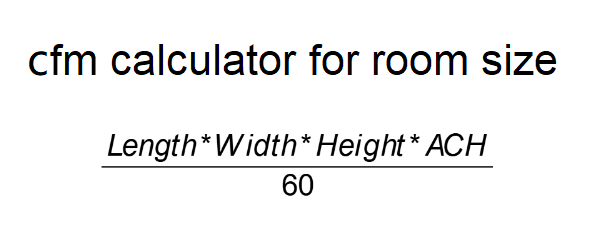
Now, to the heart of our question: how many CFM for 1000 sq ft? This isn't a one-size-fits-all answer, and that’s part of the fun! It depends on several factors, including the *purpose* of the space, its *ceiling height*, and the *number of occupants*. Instead of just square footage, professionals often think in terms of Air Changes Per Hour (ACH). This tells you how many times all the air in a room is completely replaced in an hour. For instance, a bedroom might need 2-3 ACH, while a busy kitchen or workshop might need 6-8 ACH or even more. So, for your 1000 sq ft space with an 8-foot ceiling (that's 8,000 cubic feet of volume), if you wanted 3 ACH, you'd need a system that moves 400 CFM (8000 cubic feet x 3 changes / 60 minutes). See how it gets interesting?
You encounter this concept daily, perhaps without realizing it! In your home, your bathroom exhaust fan is rated in CFM, designed to quickly clear steam and odors. Kitchen range hoods are also CFM-rated, pulling cooking fumes out. In schools, offices, and commercial buildings, large HVAC (Heating, Ventilation, and Air Conditioning) systems are meticulously designed to achieve specific CFM targets for different zones. Even in specialized environments, like workshops dealing with sawdust or art studios using strong chemicals, CFM ratings are critical for safety and health.
Want to explore this yourself? It's surprisingly easy! First, take a look at the fans in your home – bathroom fans, range hoods – they often have their CFM ratings printed on them or listed in their specs. Next, consider your own living room or bedroom. You can find simple online CFM calculators by searching "CFM calculator ACH" that allow you to input your room's dimensions and desired ACH to get an approximate CFM target. This can give you a fun insight into whether your existing ventilation is adequate. Remember, while getting fresh air in is crucial, energy efficiency is also key, so it's about finding that sweet spot for optimal air exchange without over-ventilating. Happy air sleuthing!