Ever gazed at the back of an electric heater or a window air conditioner and seen numbers like "1500 watts" or "5000 BTU" and wondered what on earth they meant for your everyday comfort? Well, you're in good company! Understanding the relationship between watts and BTUs is not just for engineers; it’s a surprisingly fun and useful bit of knowledge that can empower you to make smarter choices for your home, save a few bucks, and generally feel a bit more in control of your indoor climate. Think of it as decoding the secret language of your appliances!
So, why bother with this seemingly technical stuff? For beginners, it's a fantastic introduction to how energy is measured and used in our daily lives. You don't need to be a physics expert to grasp the basics, and understanding these terms makes you a more informed consumer. For families, this knowledge is a superpower! Trying to figure out if that new space heater will actually warm up your chilly home office, or if your portable AC unit is big enough for the living room? Knowing how watts convert to BTUs helps you choose the right appliance for the right space, preventing energy waste and ensuring everyone stays cozy or cool. And for the hobbyists and DIY enthusiasts out there, whether you’re setting up a specialized grow tent, building a custom PC, or even just planning a small workshop, understanding these energy ratings can be crucial for selecting appropriate heating or cooling components, ensuring your projects run efficiently and safely.
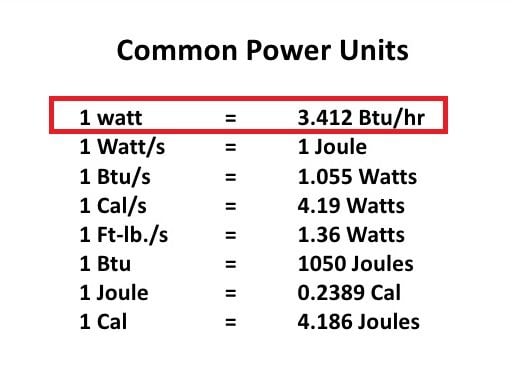
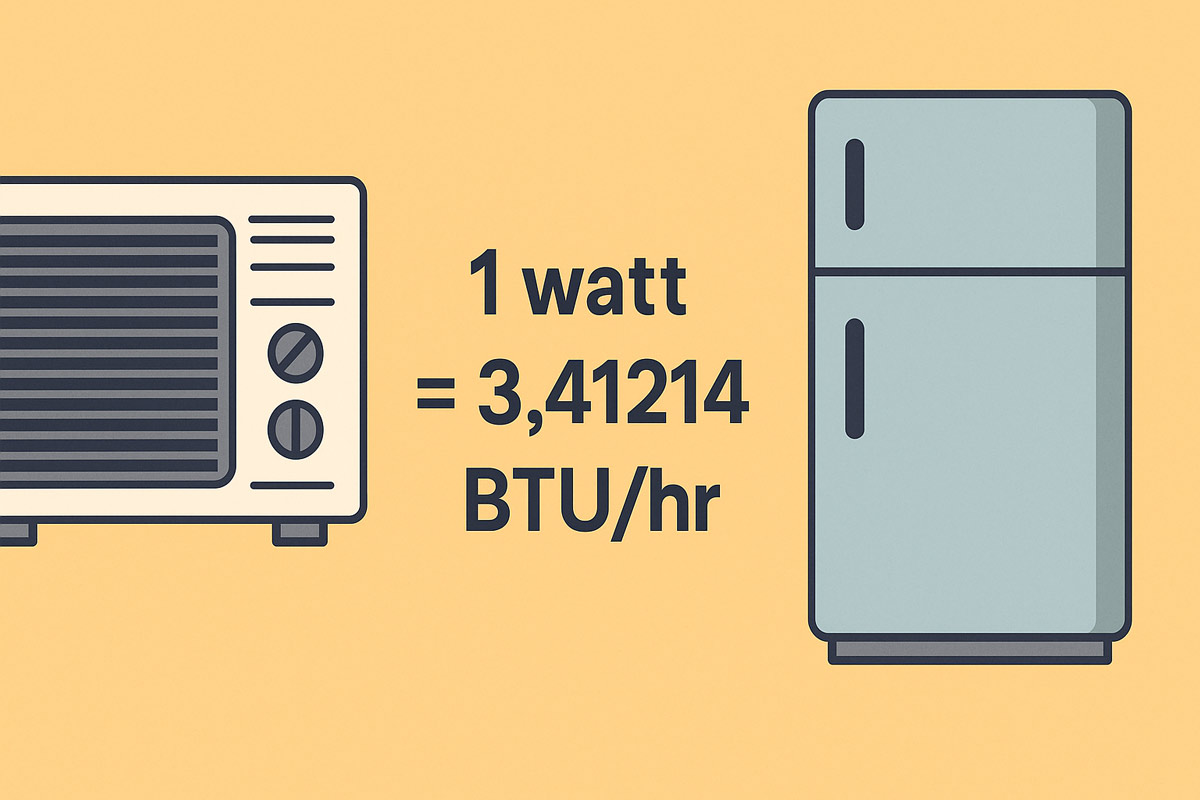
Let's dive into the core question: how many BTUs is 1500 watts? The magic conversion number to remember is that 1 watt is approximately 3.412 BTUs per hour (BTU/hr). So, if you have an appliance that consumes 1500 watts of electrical power, like many standard space heaters or powerful hair dryers, you can easily figure out its thermal output. Simply multiply: 1500 watts * 3.412 BTU/hr/watt = roughly 5,118 BTUs per hour. What does this mean in real life? A 1500-watt electric heater will deliver about 5,118 BTUs of heat into your room every hour. This is generally enough to effectively heat a small to medium-sized room, typically in the range of 150-200 square feet, depending on factors like insulation and ceiling height. While air conditioners are rated directly in BTUs, knowing this conversion helps you appreciate the energy exchange. An AC unit removing 5,000 BTUs is doing the cooling equivalent of a 1,500-watt heater warming, in terms of energy transferred.
Ready to put this knowledge to use? Here are some simple, practical tips. First, always check the appliance labels. Manufacturers usually provide both the wattage and, for heating or cooling devices, the BTU rating. Second, don't sweat the small decimals; for quick estimates, just remember that 1 watt is roughly 3.4 BTUs/hr. This mental shortcut will serve you well. Third, when choosing heaters or ACs, always consider the size of the room. Too few BTUs, and the unit will struggle and run constantly, wasting energy. Too many BTUs, and it will cycle on and off too frequently, also inefficiently. A good rule of thumb for heating is about 10 watts per square foot, or 34 BTUs per square foot. Finally, remember that insulation, window quality, and even how many people are usually in the room can impact the actual heating or cooling needed, so these numbers are a great starting point, not the absolute final word.
Understanding the relationship between watts and BTUs isn't about becoming an energy expert overnight; it's about gaining a little bit of practical wisdom that makes your everyday life more comfortable and efficient. It’s about making informed decisions, whether you're trying to stay warm in winter, cool in summer, or just manage your household energy. So next time you plug in that 1500-watt appliance, you'll have a newfound appreciation for the invisible dance of energy happening right before your eyes!