Hey there, comfort connoisseur! Ever find yourself squinting at an air conditioner box or a heater spec sheet, wondering what on earth a "BTU" is and why it matters for your cozy sleeping spot? You're not alone! It sounds super technical, like something only a super-smart engineer (or maybe a wizard) would understand. But trust me, figuring out how many BTUs you need for your bedroom is actually pretty straightforward, and we're going to break it down like we're just chilling, sipping coffee, and avoiding math class.
First off, let's demystify the beast: BTU. It stands for British Thermal Unit. Sounds fancy, right? All it really means is the amount of energy needed to raise the temperature of one pound of water by one degree Fahrenheit. Think of it as the measurement of thermal muscle. For us, it tells us how much heating or cooling power an appliance has. More BTUs? More muscle! Less BTUs? Less muscle.
The Basic Bedroom BTU Math (Don't Panic!)
Alright, deep breath. The simplest way to start figuring out your BTU needs is with a quick calculation based on your bedroom's size. It's like a secret handshake for your comfort levels! Grab a tape measure and find your room's length and width. Multiply them together to get the square footage. Got it? Good!
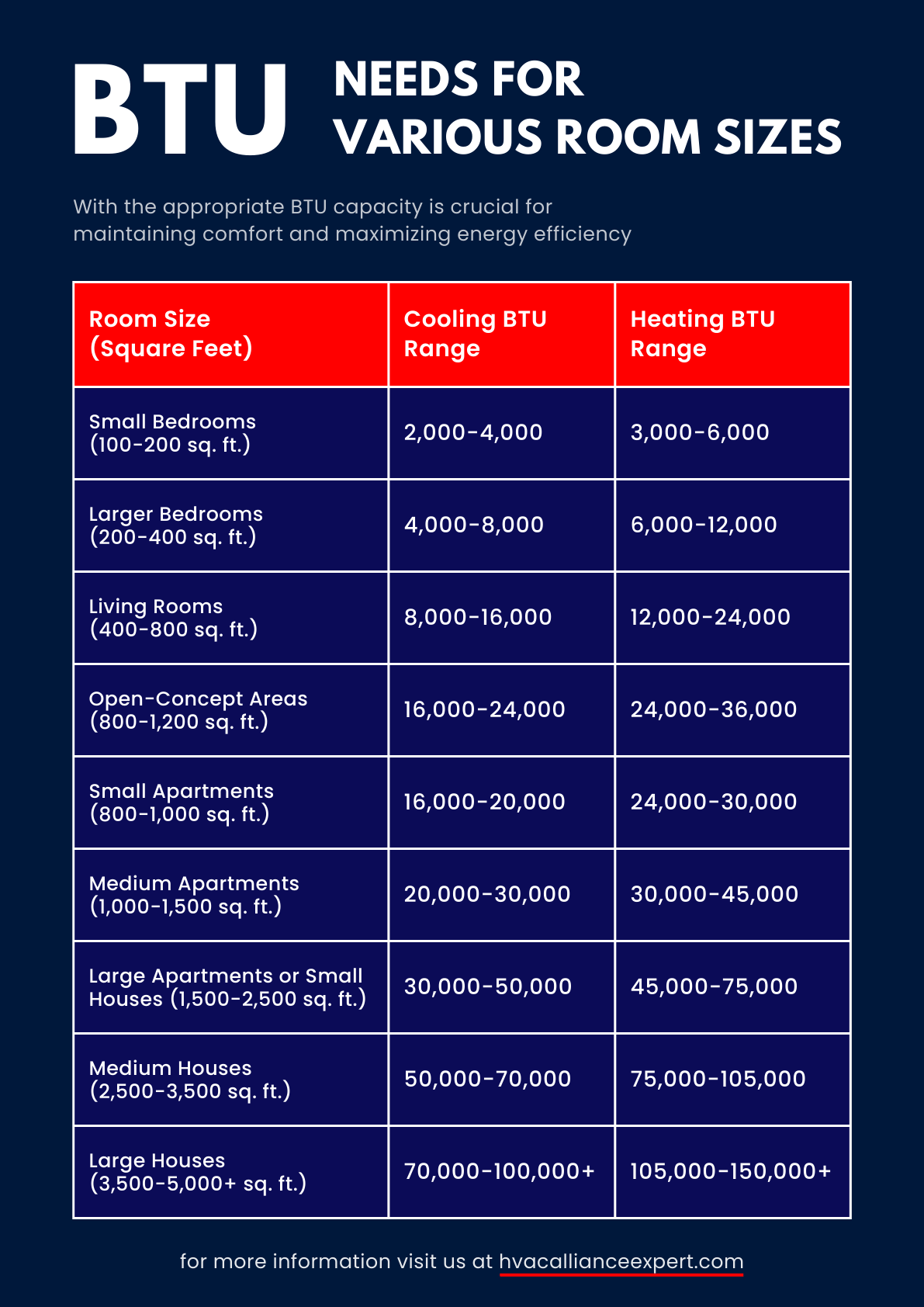
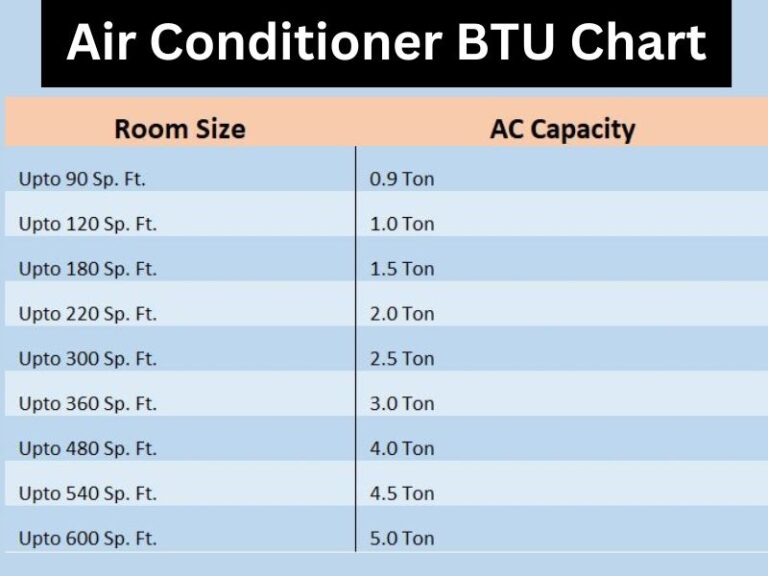
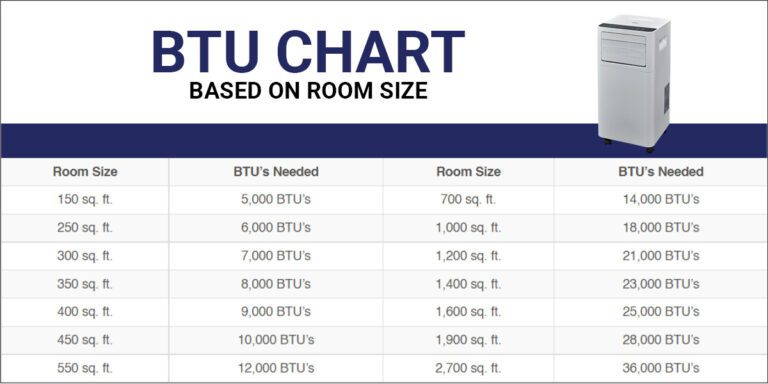
Now, for a super general rule of thumb, you'll need about 20-25 BTUs per square foot for cooling (and roughly the same for heating, but we mostly focus on cooling when talking BTUs for rooms). So, if your bedroom is, say, 10 feet by 12 feet, that's 120 square feet. Multiply 120 by 20, and you get 2400 BTUs. By 25, you get 3000 BTUs. So, you'd be looking for something in the 2400-3000 BTU range. Easy peasy lemon squeezy, right?
But Wait, There's More! (The Fun Factors)
Now, that basic math is a great starting point, but our bedrooms aren't all perfectly identical little boxes. Life, and bedrooms, are a little more nuanced! Several things can impact how many BTUs your personal oasis actually needs. Think of these as "comfort modifiers."
- Ceiling Height: Got vaulted ceilings that make your room feel like a mini cathedral? More air to heat or cool means you might need a smidge more BTU muscle than average.
- Windows, Windows, Everywhere: Large windows, especially those facing the sun (hello, afternoon blaze!), can drastically increase the heat gain (or loss) in your room. If you've got lots of glass, especially older, single-pane windows, bump up those BTUs a bit. Consider it compensation for your room's sunbathing habit.
- Insulation Situation: Is your bedroom snug as a bug in a rug with fantastic insulation? Or does it feel like you're trying to heat/cool the great outdoors? Good insulation means you can stick closer to the lower end of the BTU range. Poor insulation? You guessed it – more BTUs!
- Climate Control Central: Are you living in a sauna-like climate where summer feels endless? Or do you battle sub-zero winters? Your geographical location definitely plays a role. Hotter climates generally need more cooling BTUs.
- Occupancy: How many warm bodies usually occupy this space? If it's just you, maybe your furry friend, and a goldfish, you're good. But if it's a family bunkhouse with three active teenagers, each generating their own little heat signature, you'll want to add a few hundred BTUs per extra person.
- Heat-Generating Gadgets: Do you have a giant gaming rig, a massive TV, or a mini-fridge humming away in your room? These all add a little extra heat to the space, so consider a slight BTU bump if your bedroom is also your tech cave.
Finding Your Goldilocks Zone (Not Too Hot, Not Too Cold!)
The goal here is to find that just right spot. Going too low on BTUs means your unit will struggle, run constantly, and never quite reach your desired temperature (hello, sweat equity!). Going too high? Believe it or not, that's not ideal either! An oversized unit will cycle on and off too frequently, leading to uneven temperatures, higher energy bills, and often not enough dehumidification (making it feel clammy even if it's cool).
So, take your base calculation, then gently adjust based on those "fun factors." If you have lots of windows and live in a sunny, hot climate, lean towards the higher end of the 20-25 BTU/sq ft range, or even slightly above. If your room is super insulated and shady, you might be fine with the lower end.
The Takeaway: Comfort is Key!
Ultimately, getting the right number of BTUs isn't about being a math whiz; it's about making your bedroom the sanctuary it deserves to be. A space where you can truly relax, drift off to dreamland, and wake up feeling refreshed, not like you wrestled a polar bear or swam through a swamp overnight.
So, armed with this newfound BTU wisdom, go forth and conquer your climate control! May your bedroom always be perfectly temperate, your sleep utterly blissful, and your comfort levels off the charts. You've totally got this! Sweet dreams, my friend!