Ever walked into a room and just *felt* it? Maybe it was that perfectly toasted marshmallow feeling, like a warm hug on a chilly day. Or perhaps it was more like an arctic expedition, where your teeth chattered a jig and you started wondering if your fingers were still attached. We’ve all been there! And the secret to that perfectly blissful temperature often boils down to one magical, mysterious number: BTUs.
Now, don't let the fancy acronym scare you! BTU stands for British Thermal Unit, and it's basically the heating world's way of saying, "How much oomph does this thing have?" Think of it like horsepower for your car, but for warmth. It's how we measure the power of a heater, and knowing how many BTUs you need is like having a secret superpower to create your very own personal cozy paradise.
So, How Many BTUs Do You Need for Your Happy Place?
Ah, the million-dollar question! Or, more accurately, the "snuggle-up-with-a-good-book" question. There's no single, universal answer, because every space is a unique snowflake of potential warmth. But don't fret! We're going to break it down into easy, chuckle-worthy steps.
Step 1: The Grand Tour – Size Matters (Sometimes a Lot!)
First things first, let's look at the size of your space. Is it a cozy little reading nook, perfect for a single armchair and a purring cat? Or is it a sprawling open-plan living room that hosts your legendary dance parties? Bigger rooms need more heat, plain and simple. Imagine trying to warm a tiny teacup with a hairdryer versus trying to warm a swimming pool! Same principle.
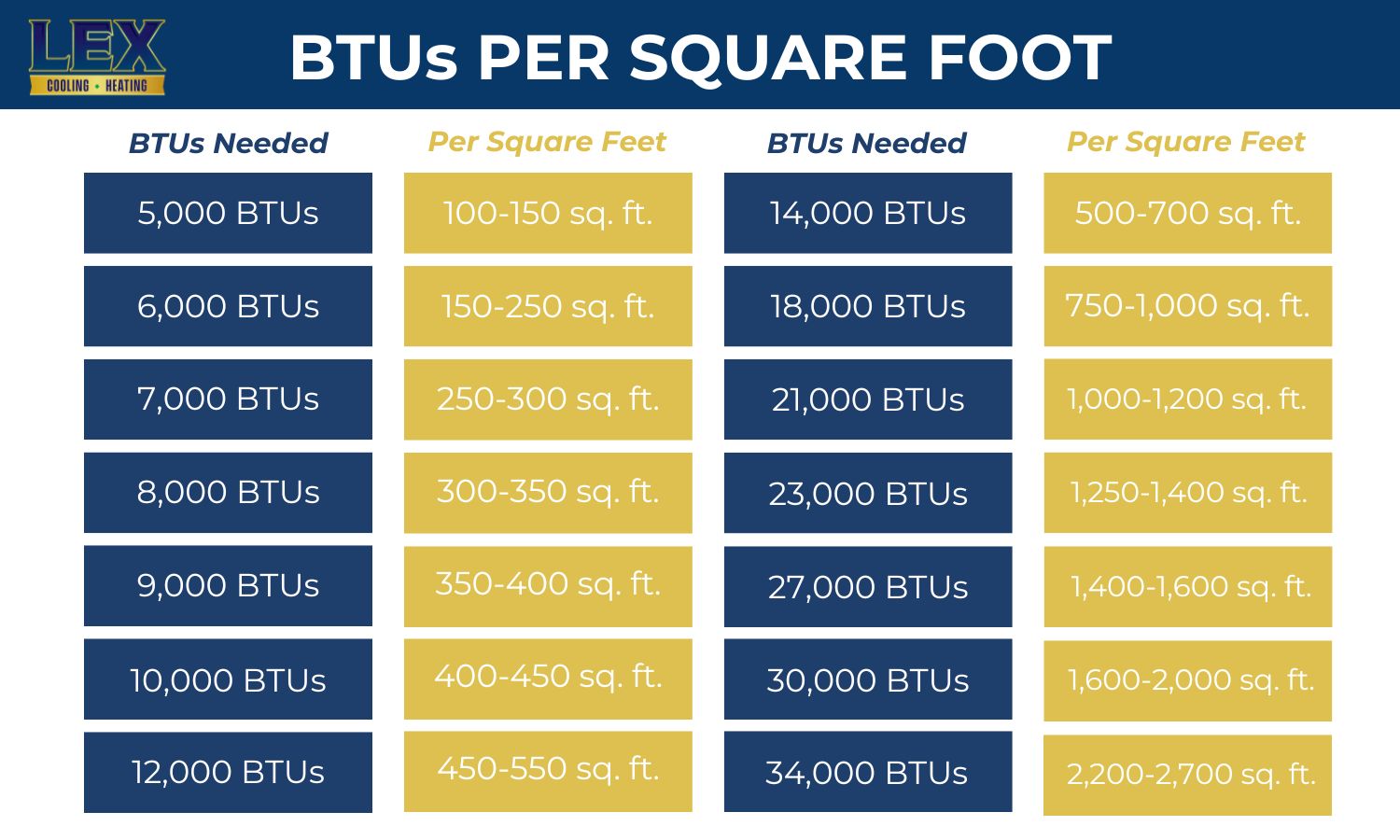
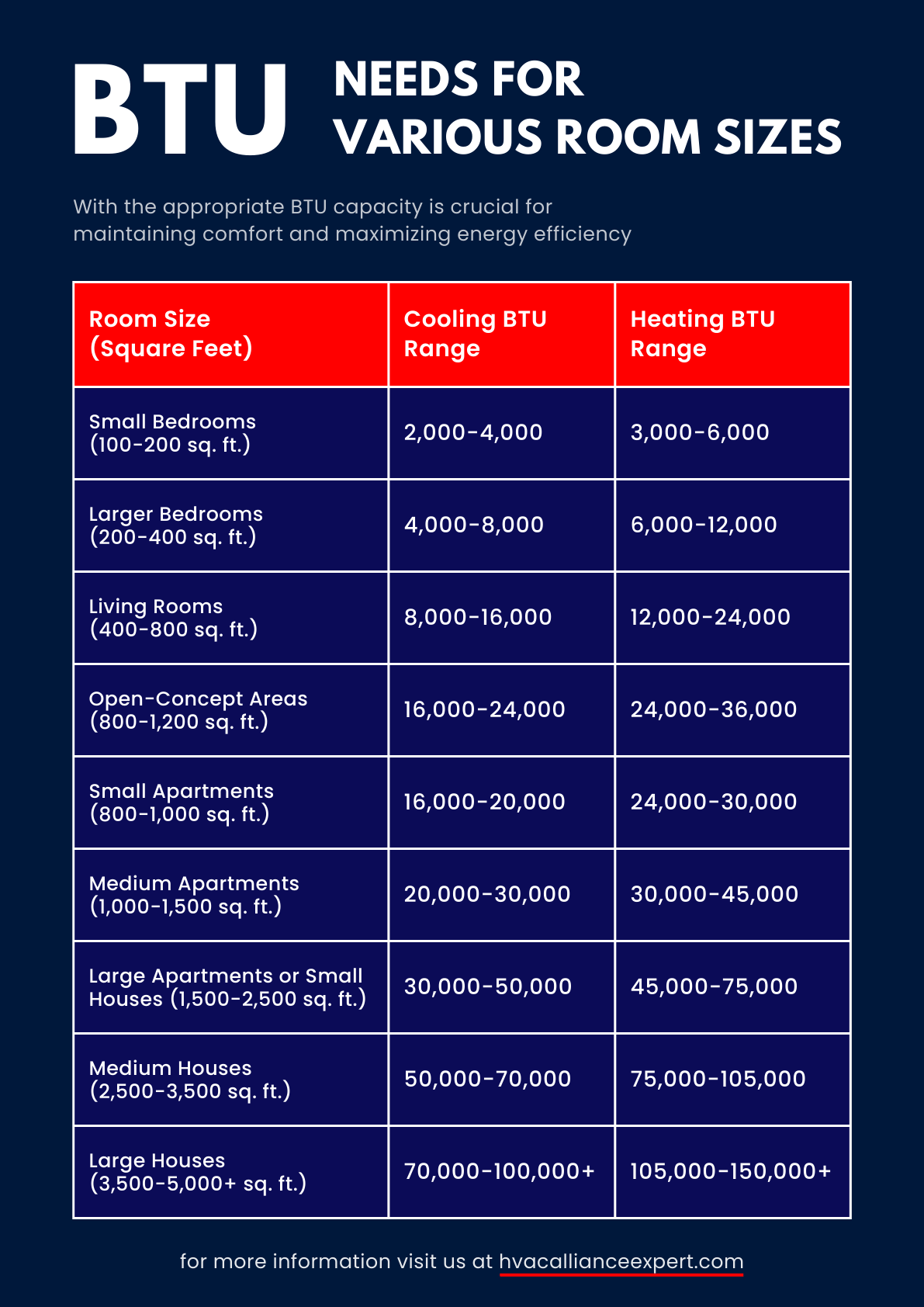
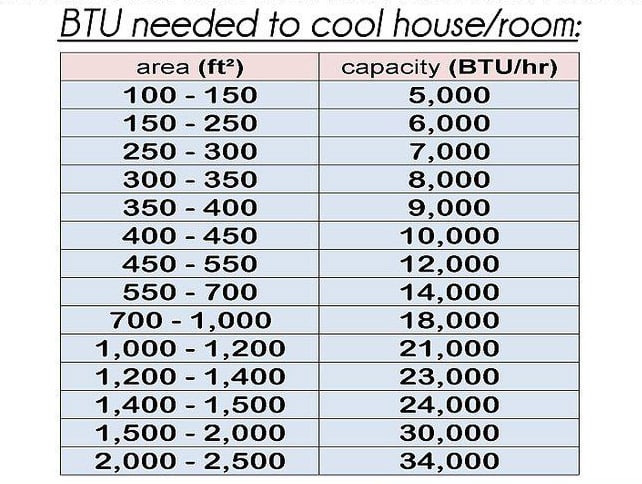
A super simple rule of thumb to get you started is to think about how many square feet your room is. If you're generally aiming for comfortable warmth in a moderately insulated space, you're usually looking at about 20-30 BTUs per square foot. So, if your room is 10 feet by 10 feet (that's 100 square feet), you'd need roughly 2,000 to 3,000 BTUs.
Quick Math for Cozy:
Room Length (feet) x Room Width (feet) = Square Feet
Square Feet x 20-30 BTUs = Your BTU Target (roughly!)
Step 2: The Great Escape – Are Your Walls Helping or Hurting?
Next up: your home's ability to hold onto heat. This is where things get fun! Do you live in a brand-spanking-new house with insulation so good it could keep a polar bear toasty? Or is your charming old abode a bit more... shall we say, "airy," with drafts that whistle a spooky tune? This is all about insulation.
- Super Snug & Insulated? You might be able to get away with fewer BTUs per square foot, perhaps closer to the 20 BTU mark.
- Drafty & Old-School? If your house is a bit of a heat sieve, letting warmth escape faster than a toddler escapes bath time, you'll need to crank up that BTU number, maybe closer to 30 BTUs or even higher.
Step 3: The Window Woes & Weather Whims
Ah, windows! Beautiful for light, but often sneaky little heat vampires. Lots of windows, especially older, single-pane ones, mean more heat loss. If your room is practically a glass box, you'll need more BTUs to fight off the chill.
And let's not forget where you live on this glorious planet! Are you battling a brutal winter in the frosty north, where snowdrifts reach your second story? Or are you just trying to take the edge off a slightly crisp evening in a milder climate?
- Icy Winters & Lots of Windows: Go for the higher end of the BTU range, or even add a little extra. Think of your heater as a tiny heat-seeking missile fighting off the cold!
- Mild Climate & Few Windows: You're in luck! You can probably stick to the lower end, keeping things nice without overheating.
Step 4: Your Personal Preference – Tropical Paradise or Crisp & Comfy?
Finally, and perhaps most importantly, how do *you* like your warmth? Are you a sun-worshipper who dreams of year-round summer, even indoors? Or do you prefer a cool, crisp atmosphere, just enough to take the chill off without making you feel like a melting candle?
- I Like It Hot! (Like, Really Hot!): You'll want to lean towards the higher BTU numbers. Embrace your inner lizard!
- Just Right, Thanks! (No Sweat Here): The middle of the range should suit you perfectly.
Don't Overdo It! The Goldilocks Zone of Warmth
While it's tempting to think "more is always better," having too many BTUs can be just as annoying as too few. An oversized heater will cycle on and off constantly, leading to inconsistent temperatures (hello, hot flashes followed by chilly shivers!) and potentially higher energy bills. We're aiming for that Goldilocks zone – not too hot, not too cold, but *just right*.
So, take a moment to eyeball your space, think about those drafts, and consider your perfect cozy temperature. With a little playful estimation, you'll be well on your way to choosing the heating powerhouse that transforms your room into the ultimate relaxation station. Happy heating, you magnificent heat-seeking genius!