Have you ever stared at your electricity bill, maybe after a particularly enthusiastic gaming marathon or a summer of air conditioning bliss, and wondered, "Just how long *is* a kilowatt-hour, anyway?" It's a question that pops into many minds, right after "What even *is* a kilowatt-hour?"
Well, buckle up, dear reader, because we're about to embark on an electrifying journey to clear up this common energy enigma! And spoiler alert: it’s not about how long at all.
The Grand Reveal: Not a Stopwatch, But a Power Punch!
Let's get straight to the cosmic truth: A kilowatt-hour (often abbreviated as kWh) is not a measure of time. Nope, not a second, not a minute, not even a nanosecond!
It's like asking, "How long is a ton of bricks?" The question itself playfully misses the point! A ton of bricks is a measure of *weight*, not time.
A kilowatt-hour is a measure of energy. Pure, unadulterated, gadget-fuelling energy!
Think of it as the total amount of *oomph* you get from your electricity, rather than how long that oomph lasts. It's the total fuel, the accumulated power, the sum total of all your device's vigorous activity.
Cracking the Code: What's in a Name?
To truly understand this magnificent unit, let's break it down, piece by electrical piece. We have "kilowatt" and we have "hour."
First, the "watt." A watt is a measure of *power*. Imagine a tiny, adorable spark of electricity. That's a watt doing its thing!
A single watt is pretty small; your phone charger might pull a few watts, a laptop perhaps 40-60 watts. It's the rate at which energy is being used.
Now, let's scale up to a "kilowatt." The prefix "kilo" means a thousand, just like a kilogram is a thousand grams. So, a kilowatt is a glorious 1,000 watts of power!
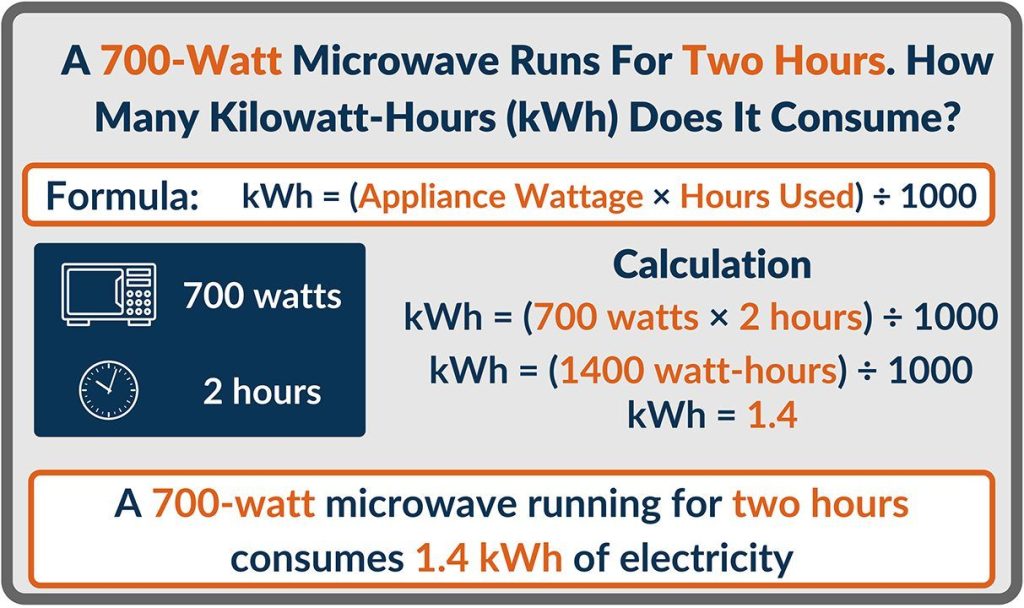
This is the amount of power that a hungry appliance might gulp down when it's really working hard. Think of your microwave blasting leftovers, or a powerful hairdryer transforming your wet hair into a masterpiece.
The "hour" part is where the time element *does* come in, but it's crucial to understand its role. It signifies the *duration* over which that glorious kilowatt of power is being consumed.
So, if you run an appliance that uses 1,000 watts (that's one kilowatt) for exactly one hour, you have just consumed one kilowatt-hour of energy. It's the total amount of effort expended.
The Cookie Jar Analogy: A Sweet Way to Understand
Let's try a tasty analogy! Imagine your favorite cookie jar. The *rate* at which you're eating cookies is your "power" in watts.
If you're nibbling slowly, that's low wattage. If you're a cookie-gobbling champion, devouring them at a furious pace, that's high wattage – maybe even a whole kilowatt of cookie-eating power!
Now, the kilowatt-hour isn't about how *long* you sat there with the cookie jar. Instead, it's about the *total number of cookies* you managed to eat in that time.
If you ate cookies at a rate of one kilowatt's worth for one hour, you've consumed one kilowatt-hour of cookie deliciousness! It’s the grand total, the accumulated sweetness.
A kilowatt-hour measures the total energy used, not how long the using lasted.
What Can a Single, Mighty Kilowatt-Hour Do? Prepare to Be Amazed!
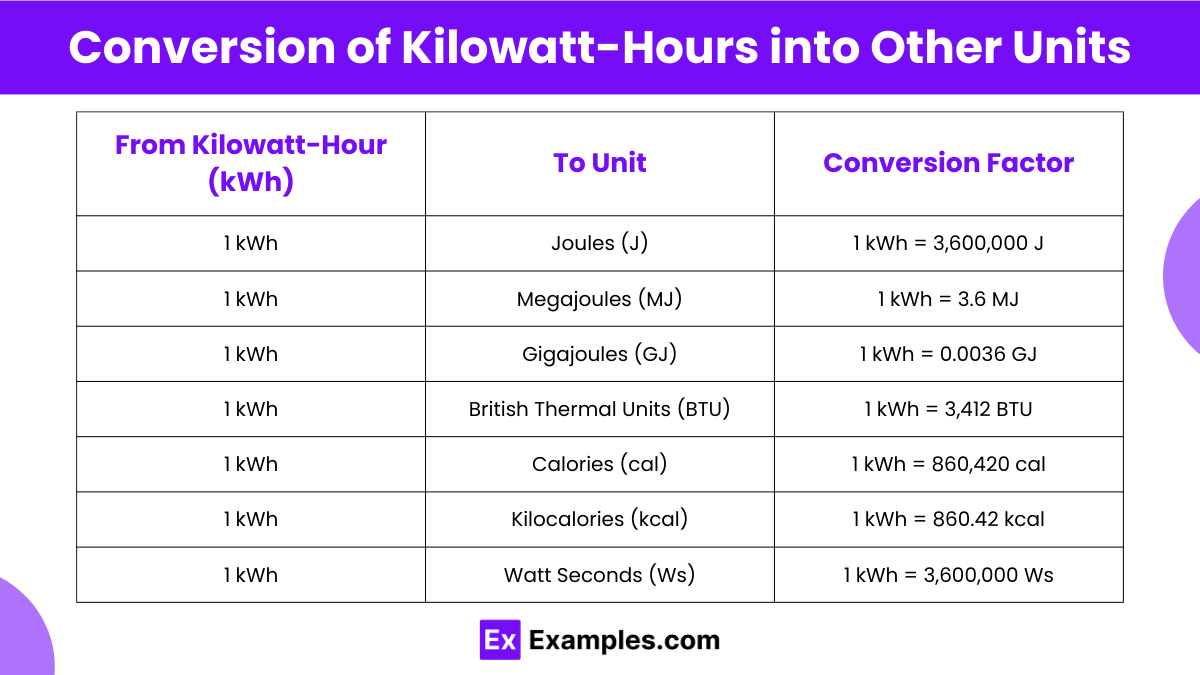
One kilowatt-hour is actually quite a useful chunk of energy! It’s the standard unit your electricity company uses to calculate your bill. You pay for how many of these energy packets you consume.
Let's bring this to life with some everyday examples. What kind of magnificent feats can a single kWh accomplish in your home?
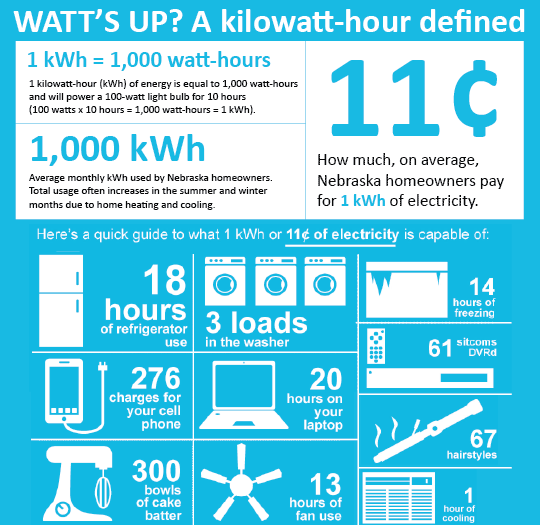
Imagine powering your average television (say, 100 watts). With just one kilowatt-hour, you could binge-watch your favorite show for a glorious 10 hours straight! That's a full season, maybe even two, depending on the show!
Or how about lighting? A traditional 100-watt incandescent light bulb (the older, warmer kind) could shine brightly for a magnificent 10 hours on a single kWh. If you upgraded to a super-efficient LED bulb (which might only use 10 watts), that same kilowatt-hour would keep it glowing for an astonishing 100 hours! That's over four days and nights!
Your trusty laptop, buzzing away at around 50 watts, could happily run for about 20 hours on one kilowatt-hour. That's a full two workdays, or a serious gaming session, all from one energy packet!
Need to cool down? A typical box fan, using around 75 watts, could spin away for roughly 13 hours. Imagine the breezy bliss all afternoon and evening, powered by just one kWh!
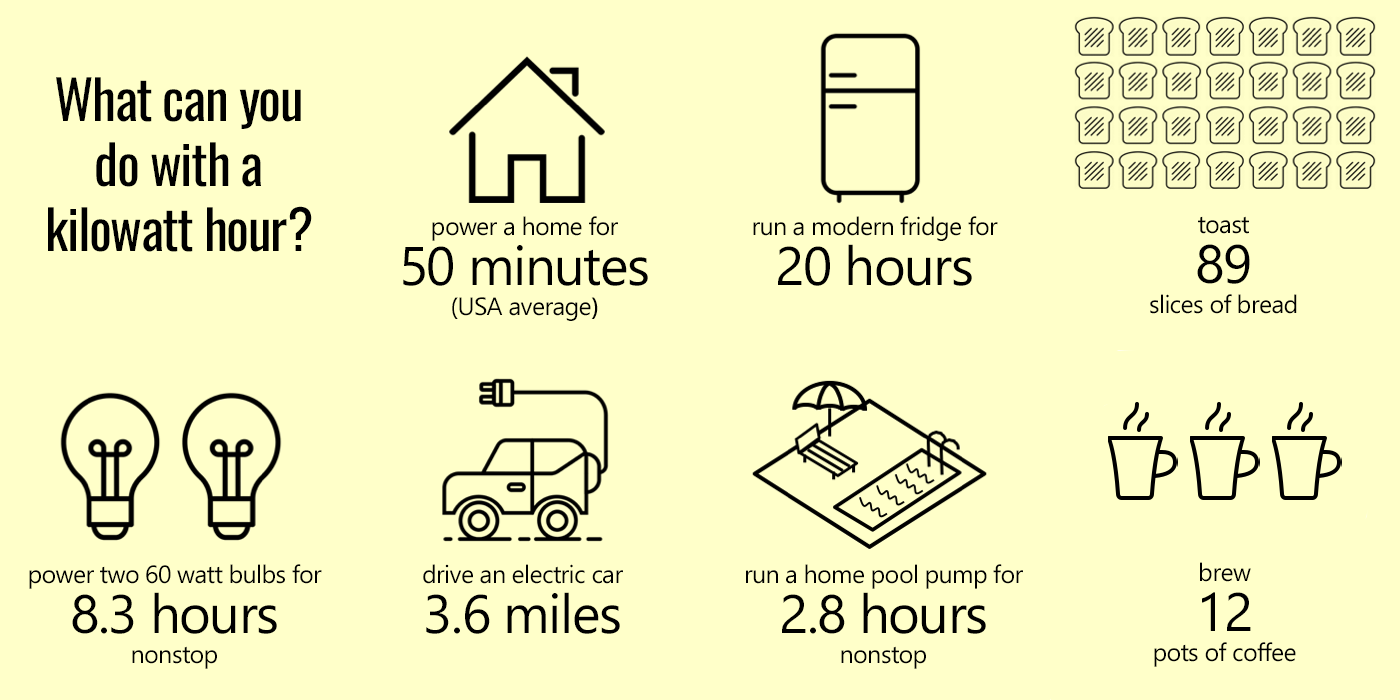
Feeling peckish? An electric oven operating at full tilt for maybe 30 minutes could gobble up a kilowatt-hour quite quickly. But if you’re just making toast, that kWh could power your toaster to create dozens upon dozens of perfectly golden-brown slices!
Even your refrigerator, that unsung hero of your kitchen, only uses about 100-200 watts when its compressor is running. A single kilowatt-hour could keep it humming and your food perfectly chilled for several hours.
And for those embracing the electric car revolution? While charging a whole car takes many kWh, one single kilowatt-hour could add a few precious miles of range, enough for a quick run to the corner store!
The Enthusiastic Conclusion: Energy, Not Eternity!
So, the next time someone asks, "How long is a kilowatt-hour?" you can confidently tell them, with a twinkle in your eye, that it's not a unit of time at all! It's a measure of accumulated energy.
It's the total electrical goodness that powers our modern lives, from the comforting hum of the fridge to the dazzling glow of your TV screen. It's the feeling of a perfectly toasted bagel, the warmth of your heated home, the electrifying thrill of your favorite show!
You're not paying for how long the electricity flows, but for the sheer *volume* of electrical work done. Understanding this little energy marvel helps you become a more empowered and savvy energy consumer.
Go forth, now, with your newfound knowledge, and appreciate the mighty, time-agnostic kilowatt-hour for the powerful unit of energy that it truly is!