Think about your morning routine. That first, glorious cup of coffee, the hot shower that wakes you up, the drive to work listening to your favorite tunes. What do all these seemingly unrelated activities have in common? They all rely on resources – resources that power our lives and keep our world running smoothly. But have you ever stopped to consider where these resources come from and, more importantly, how long they'll last? That’s where the fascinating difference between renewable and nonrenewable resources comes into play.
Understanding this distinction is crucial because it affects everything from the price of gasoline to the health of our planet. We use resources every single day, often without a second thought. Electricity, for example, powers our homes and businesses. Transportation, from cars to airplanes, gets us where we need to go. Food production relies on resources like water and fertile soil. Even the clothes we wear are made from materials sourced from the Earth. These resources are the bedrock of modern society, making our lives more comfortable, convenient, and connected.
So, what makes a resource renewable or nonrenewable? The key difference lies in the replenishment rate. Renewable resources are those that can be naturally replenished within a human lifespan. Think of the sun: its energy is practically limitless, constantly bombarding the Earth. Wind, water, and biomass (organic matter from plants and animals) are other examples. Solar panels convert sunlight into electricity, wind turbines harness the power of the wind, and hydroelectric dams utilize the energy of flowing water. Biomass can be burned for energy or converted into biofuels.
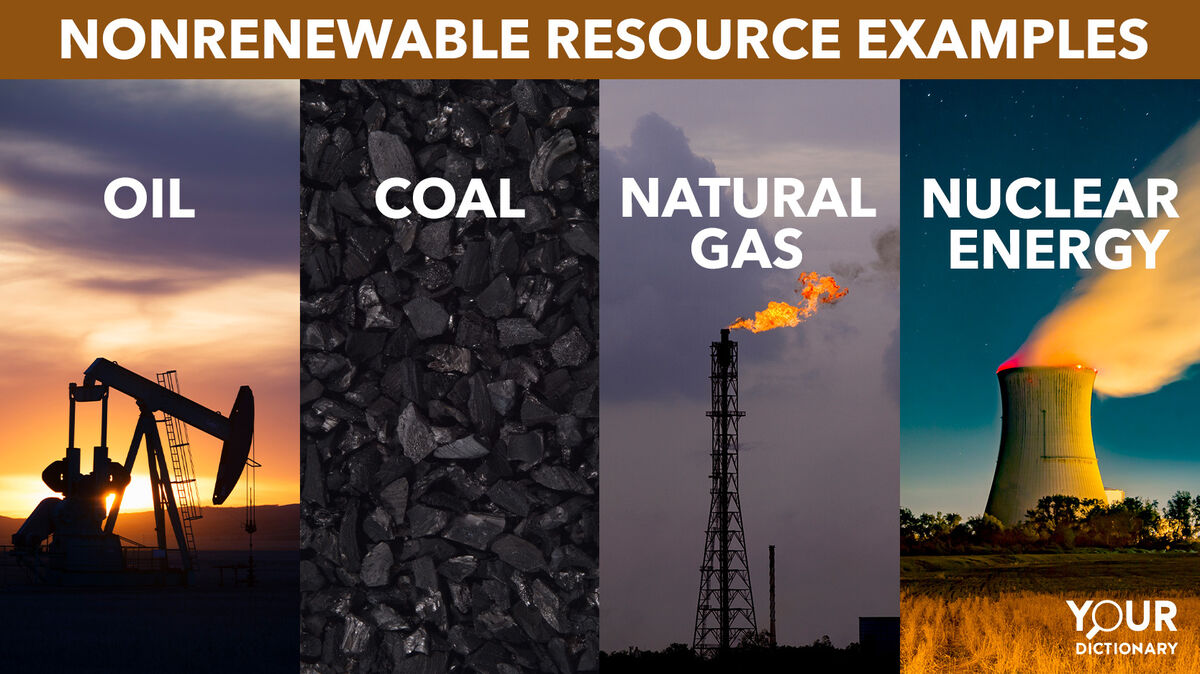
Nonrenewable resources, on the other hand, exist in a finite amount and cannot be easily replenished, or take millions of years to form. Fossil fuels – coal, oil, and natural gas – are the prime examples. These were formed from the remains of ancient plants and animals over millions of years. Mining for minerals like iron ore, copper, and gold also extracts nonrenewable resources. Once we’ve used them up, they’re gone, or at least, effectively gone for any practical human timescale. This finite nature is what makes their responsible use so critical.
Okay, so we know the difference, but how can we enjoy and utilize resources more effectively and sustainably? For renewable resources, the focus is on continuous improvement and innovation. Investing in more efficient solar panels, developing better energy storage solutions for wind power, and promoting sustainable forestry practices are all crucial steps. As for nonrenewable resources, the key is conservation and efficiency. Simple things like turning off lights when you leave a room, using public transportation, and reducing your overall consumption can make a big difference. Consider using energy-efficient appliances, insulating your home properly, and supporting companies committed to sustainable practices. By making conscious choices, we can help extend the lifespan of these valuable resources and minimize our impact on the environment. Embracing the understanding of the difference between renewable and non-renewable resources and being mindful of our consumption habits is the first step to a more sustainable and resourceful future.