Ever pull up to the gas station, fill up your car, or flip on a light switch and wonder, where does all this energy actually come from? We talk a lot about "fossil fuels," but have you ever stopped to think about what that even means? It sounds a bit like something from a dinosaur movie, right?
Well, get ready for a journey back in time – millions of years back – because the story of how fossil fuels are formed is one of Earth's most incredible, slow-burn transformations. It's truly mind-boggling when you dig into it (pun absolutely intended!).
What Are We Even Talking About?
Before we dive into the nitty-gritty, let's clarify. When we say fossil fuels, we're mainly talking about three big players: coal, oil, and natural gas. These aren't just rocks or liquids you find lying around; they're essentially ancient sunlight and life, perfectly preserved and concentrated into incredibly potent energy sources.
Think of it like this: every time you use them, you're tapping into energy that was captured by living organisms eons ago. How cool is that?
The Humble Beginnings: Life, Death, and Burial
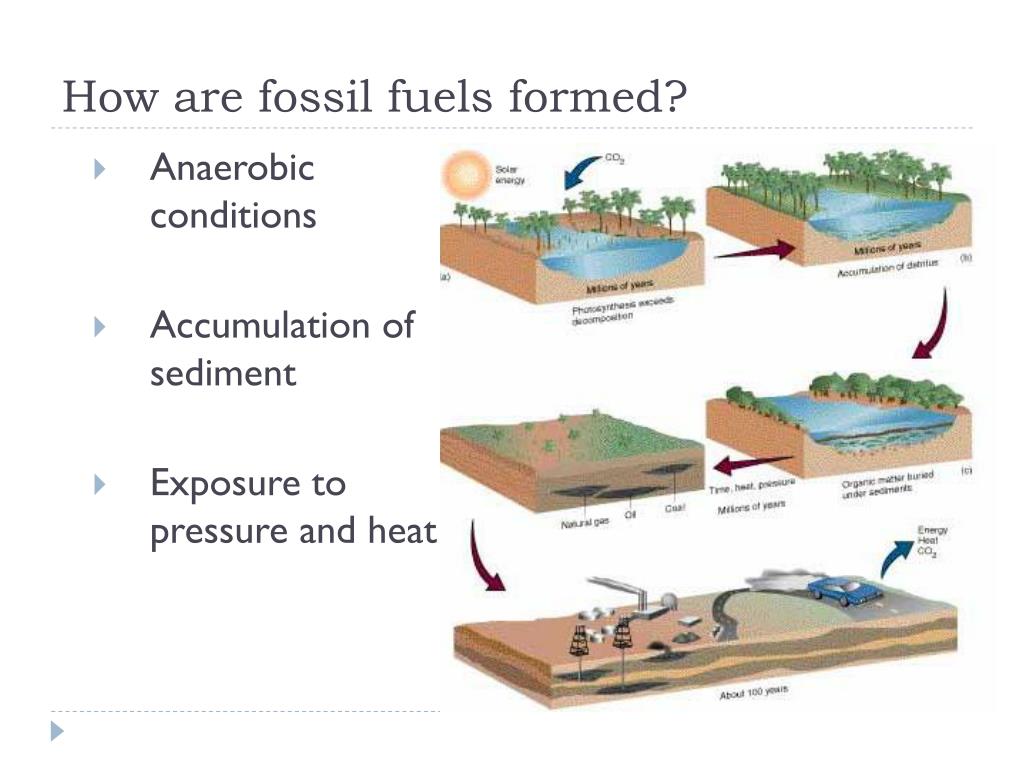
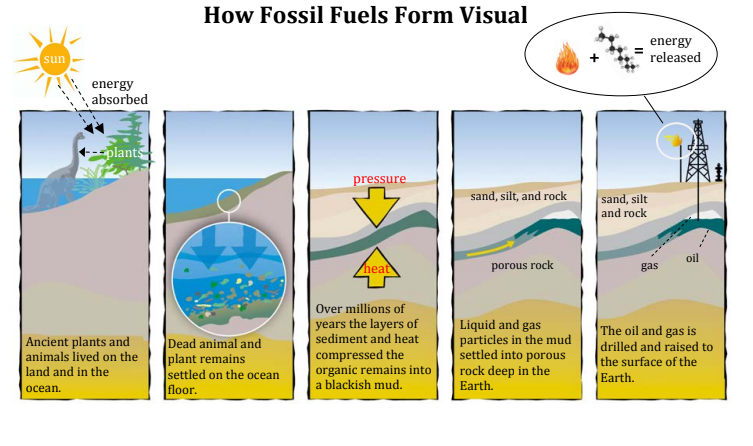
So, where does it all begin? Surprisingly, it starts with life itself! For coal, the main ingredient was lush, dense vegetation – vast swamps filled with trees, ferns, and other plants that thrived in ancient, warm climates. For oil and natural gas, the story shifts to the ocean, where microscopic marine organisms like algae and zooplankton were the unsung heroes.
When these organisms died, they didn't just decompose in the usual way, becoming part of the soil or eaten by scavengers. Oh no, that's where the magic (and a bit of bad luck for them, good luck for us) happens. They needed to be buried quickly.
Imagine massive layers of sediment – mud, sand, silt – rapidly accumulating on top of these dead plants and marine life. This burial was crucial because it prevented them from decaying due to oxygen exposure and bacteria. It's like putting a lid on a pot to keep everything sealed and preserved.
The Great Squeeze: Pressure and Heat Take Over
Now, here's where the real transformation begins. Over millions of years, more and more layers of sediment piled up. This wasn't just a gentle blanket; it was an immense weight, creating incredible pressure. And as these layers got deeper, the Earth's internal heat started to kick in, raising the temperature.
Think of it like a giant, geological pressure cooker. That's essentially what was happening deep underground. This combination of heat and pressure slowly but surely started to transform that organic matter – the squishy remains of ancient life – into something entirely different.
Coal: The Compressed Forest
Let's look at coal first. Those ancient swamp plants, buried and compressed, first turned into something called peat. If you've ever seen peat moss, you'll know it's a very early stage of coal formation – still squishy and plant-like, but starting to compact.
As the pressure and heat increased over millions more years, that peat transformed through several stages: from lignite (a soft, brown coal), to sub-bituminous, then bituminous coal (the most common type), and finally, under the most extreme conditions, into hard, shiny anthracite. Each stage represents a greater compression and a higher carbon content, meaning more energy packed into a smaller space.
It’s literally like squeezing a forest until it becomes a rock that burns! How wild is that?
Oil and Natural Gas: The Cooked Ocean Goo
The process for oil and natural gas is similar in principle but happens with those tiny marine organisms. Buried deep under the ocean floor, their remains turned into a waxy substance called kerogen. This is the 'source rock' for oil and gas.
Then, as the kerogen continued to be buried deeper and subjected to specific temperatures (geologists call this the "oil window" – not too hot, not too cold!), it literally cooked. This cooking process broke down the complex organic molecules into simpler ones: liquid crude oil and gaseous natural gas.
Imagine millions of years of tiny sea creatures slowly baking into thick, viscous liquid and highly flammable gas. This liquid and gas then migrated through permeable rocks, eventually getting trapped in reservoirs beneath impermeable layers. That's where we find them today!
Why Is This So Fascinating?
The sheer scale of time involved is perhaps the most mind-blowing aspect. We're talking tens to hundreds of millions of years for this process to unfold. Our human timelines are practically a blink of an eye in comparison.
It's also incredible to think about the journey of energy. The sunlight that powered those ancient plants and marine life is now, through this incredible geological alchemy, powering our cars, heating our homes, and lighting our cities. It's literally fossilized sunshine!
Every barrel of oil, every lump of coal, every cubic foot of natural gas tells an ancient story of life, death, immense pressure, and unimaginable timescales. It's a powerful reminder of Earth's slow, deliberate processes and the incredible energy stored within our planet. It’s not just a simple resource; it’s a condensed piece of Earth’s grand history.
So, the next time you interact with a fossil fuel, take a moment to appreciate the epic, multi-million-year journey it took to get there. It’s not just a commodity; it’s a geological masterpiece!