You know that feeling, right? That first truly warm, sunny day after what feels like an eternity of grey, damp, and soul-crushing winter. The birds are tentatively chirping, the scent of fresh earth is in the air, and suddenly, you hear it. BZZZZZZZZZ.
Yep, your neighbor, Dave, is out there, rumbling away on his riding mower. He's always the first. Doesn't matter if it's still March 1st and there's a rogue patch of snow stubbornly clinging on under the big oak. Dave is mowing. And a little part of you, the part that's been cooped up inside scrolling through endless gardening TikToks and dreaming of greener pastures, thinks, "Ooh, maybe it's time for me too!"
That irresistible urge to fire up the old beast and give your lawn its first haircut of the season is totally understandable. We all get it. After all, a neat lawn is a happy lawn, right? But here's the thing, my friend: while Dave might be an early bird (or just a bit too enthusiastic), your lawn might be whispering, "Hold your horses, pal!"
So, how early can you actually cut your lawn without inadvertently sending it into an existential crisis? It's not just about when you feel like it, or when Dave down the street pulls out his shiny new riding mower. It's about what your grass needs, and trust me, it's got opinions.
The Golden Rule: The One-Third Principle
This is probably the most important rule in lawn care, and it definitely applies to that eagerly anticipated first cut. You should never remove more than one-third of the grass blade's total height in a single mowing session. Why? Because chopping off too much at once stresses the plant, like giving a human a surprise buzzcut right before a big presentation. It shocks the system and makes it more vulnerable to disease and pests.
So, for that very first cut, if your grass isn't long enough to even take a third off (meaning it's barely poking up), then put that mower away. Seriously. Give it some more time to stretch its legs.
Soil Temperature Trumps Air Temperature (Usually)
This is a biggie, folks. While a sunny 60-degree Fahrenheit (15°C) day might feel like spring paradise to you, the ground beneath your feet could still be chilly. And it's the soil temperature that truly dictates when your grass roots wake up and start doing their thing.
Ideally, you want the soil temperature to be consistently around 45-50°F (7-10°C) for several days before you even think about mowing. You can buy a soil thermometer (they're super handy!), or you can just observe. When you start seeing significant green growth popping up, especially if it's been warm for a few days, that's a good indicator the soil is ready. Think of it like waking a bear from hibernation. You don't want to startle it; you want it to stretch, yawn, and then get moving.
Is Your Lawn a Sponge? (Don't Mow When Wet!)
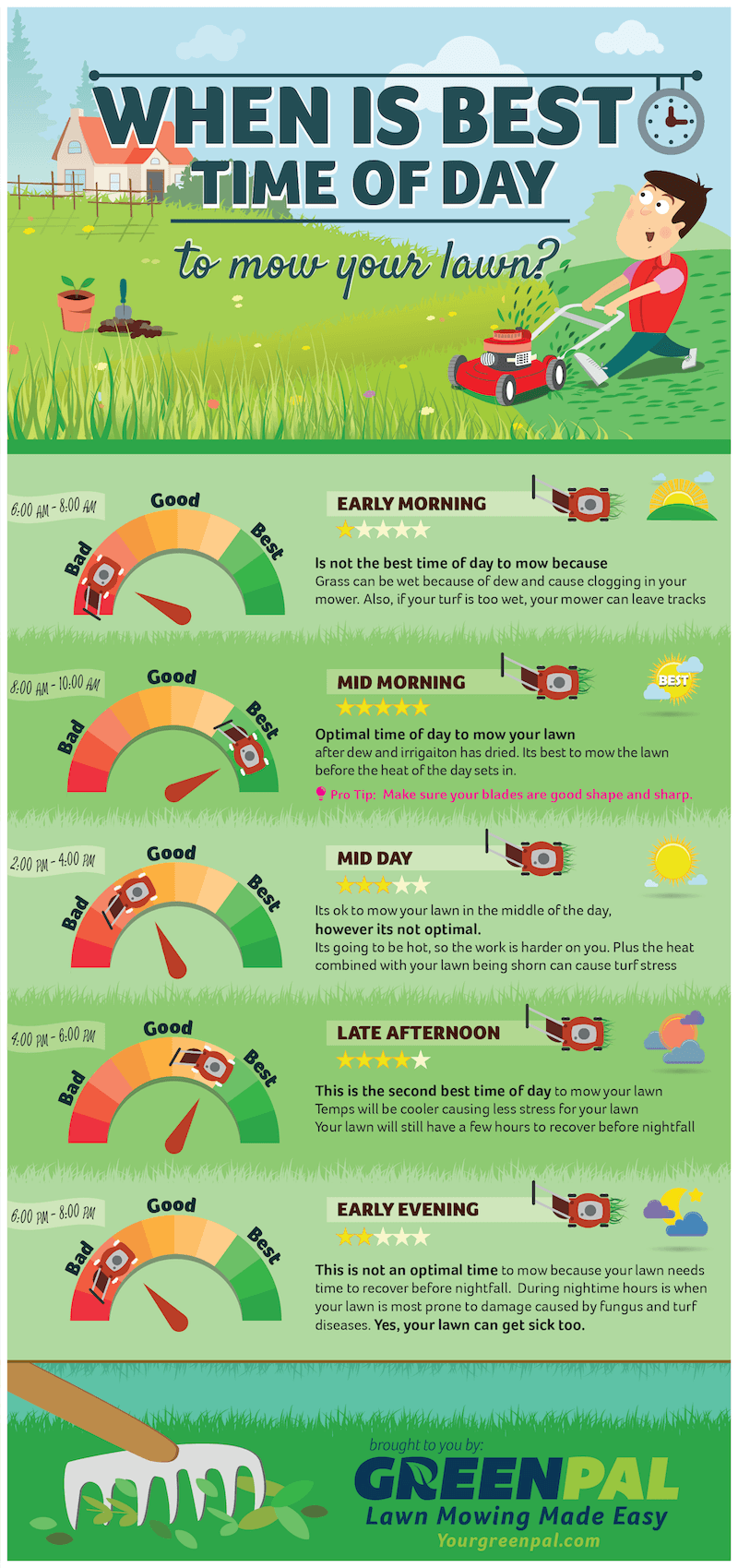
Hands up if you've ever been tempted to just "get it done" after a drizzle, or when the morning dew is still heavy. (Guilty as charged, sometimes!) But trust me on this one: never mow a wet lawn.
Cutting wet grass is a messy business. The blades will clump, clog your mower, and leave unsightly piles. More importantly, wet grass doesn't cut cleanly; it tears. This creates jagged edges that are more prone to disease. Plus, rolling a heavy mower over saturated soil can lead to compaction, which makes it harder for roots to get water and nutrients. It's messy, it's inefficient, and it can actually harm your grass. Patience, young padawan.
A Quick Nod to Grass Type
Most of us in cooler climates are dealing with cool-season grasses (like fescue, rye, and Kentucky bluegrass), which are the ones that start showing signs of life earlier in the spring. If you're in a warmer region, however, and have warm-season grasses (think Bermuda, zoysia, St. Augustine), they're typically much later risers. Seriously, they're still snoozing in bed while cool-season types are already doing jumping jacks.
So, if you've got warm-season grass, you'll be waiting a good bit longer, often until late spring or early summer, when temperatures are consistently higher. Know your grass, my friend!
Ultimately, the best advice for that first cut is to be patient and observe. Your lawn isn't a racehorse, it's a living, breathing ecosystem (yes, even that patchy bit near the fence). Wait until your grass is actively growing, at least 3-4 inches tall (so you can apply the 1/3 rule), and the soil isn't a soggy mess.
When you do finally fire up that mower, make sure your blades are sharp (a dull blade rips the grass), and set your blades higher than you normally would for that first cut. Leave the clippings on the lawn (mulching is great for returning nutrients), and let your grass ease into the season. It’s not about who mows first, but who mows smartest.
So, while Dave might be out there trailblazing, you, my friend, are going to be the wise lawn owner. You're going to listen to your lawn, check the conditions, and then, only then, will you unleash the mower. And when you do, your lawn will thank you for it, looking lush, green, and ready to conquer the season. You'll be able to sit back with a cold drink, admire your handiwork, and silently judge Dave's struggling patch. Kidding! (Mostly.)