Alright, confession time. I have an unpopular opinion, and it’s about something humming quietly in many of our homes, keeping us comfy. Most people think heating a house means *making* heat, right? Burning stuff, zapping electricity, creating warmth from scratch. That's the popular belief. My take? Utter hogwash!
Here's the truth: Heat pumps are basically just professional heat thieves. They don't *make* heat. They just find it, grab it, and move it where it needs to go. They're the ultimate, super-efficient freeloaders of the HVAC world, and I bet you'll agree by the end of this.
Think about it. On a brutally cold winter day, your instinct screams, "We need more heat, NOW!" You crank the thermostat, imagining furnaces roaring. But your clever heat pump just shrugs. "Nah," it essentially whispers, "there's plenty of heat outside, even when it feels like Antarctica. I'll just… borrow some."
Sounds like a magic trick, doesn’t it? How can there be "plenty of heat" outside when it’s freezing? Well, even on the chilliest days, there's a surprising amount of thermal energy lurking in the air. It's like finding a forgotten twenty-dollar bill in an old coat pocket – it’s there, you just need the right tool to extract it. That tool, my friends, is the heat pump.
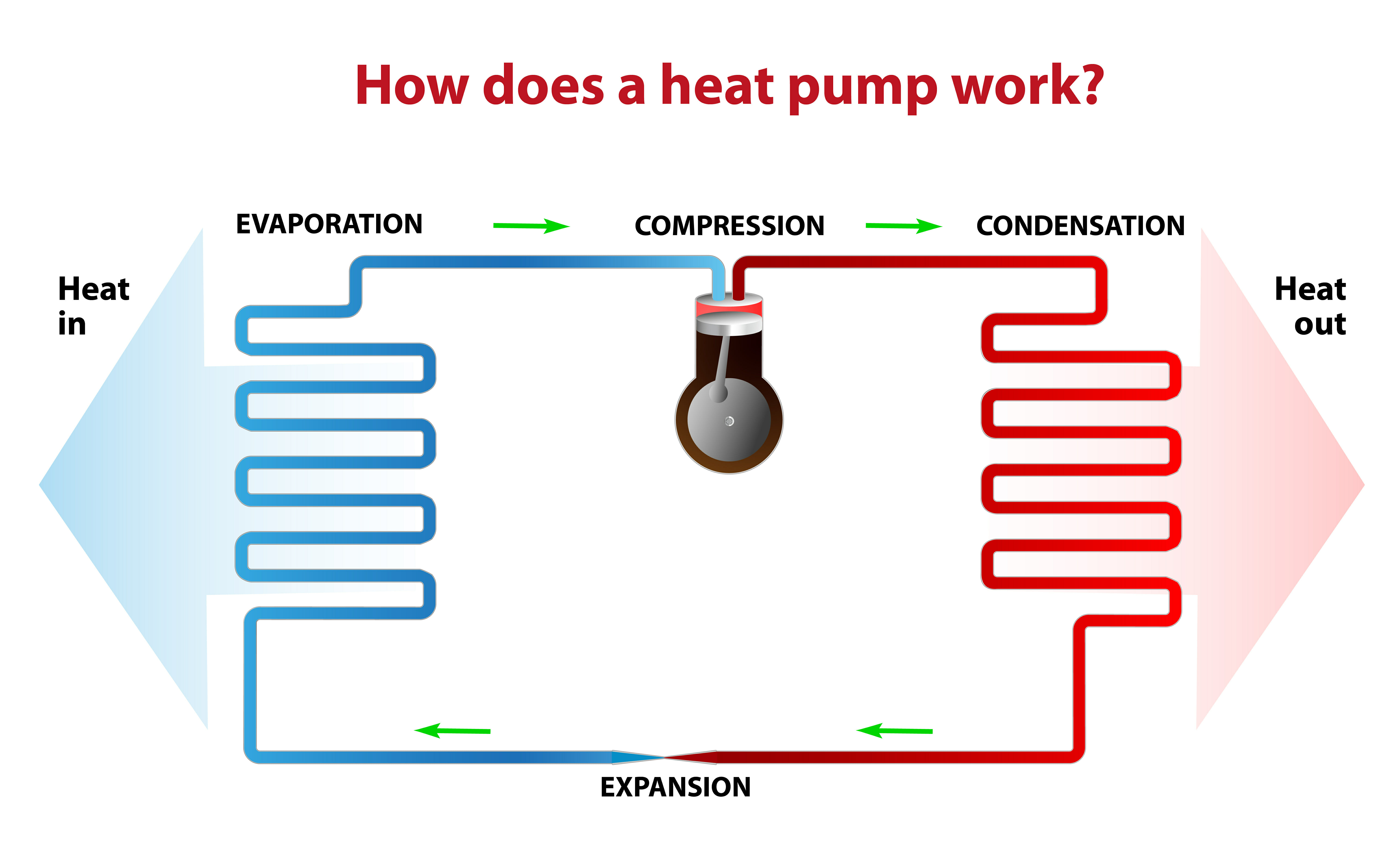
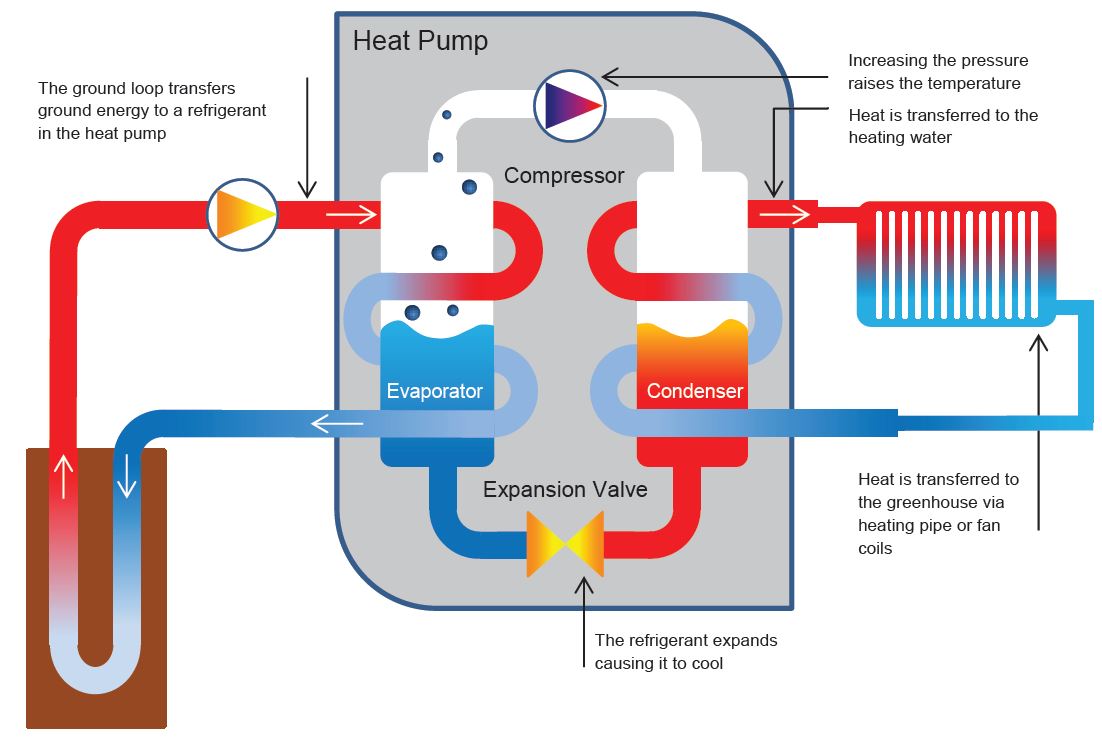
So, how does this brilliant bit of thermal espionage work? Imagine a tiny, invisible, incredibly efficient heat taxi service. This taxi's main passenger is a superstar substance called refrigerant. This isn't just any old liquid; it's a shape-shifting hero that can easily change from a liquid to a gas and back again, picking up and dropping off heat like its sole purpose in life.
The Winter Warmer: A Heat Heist in Action
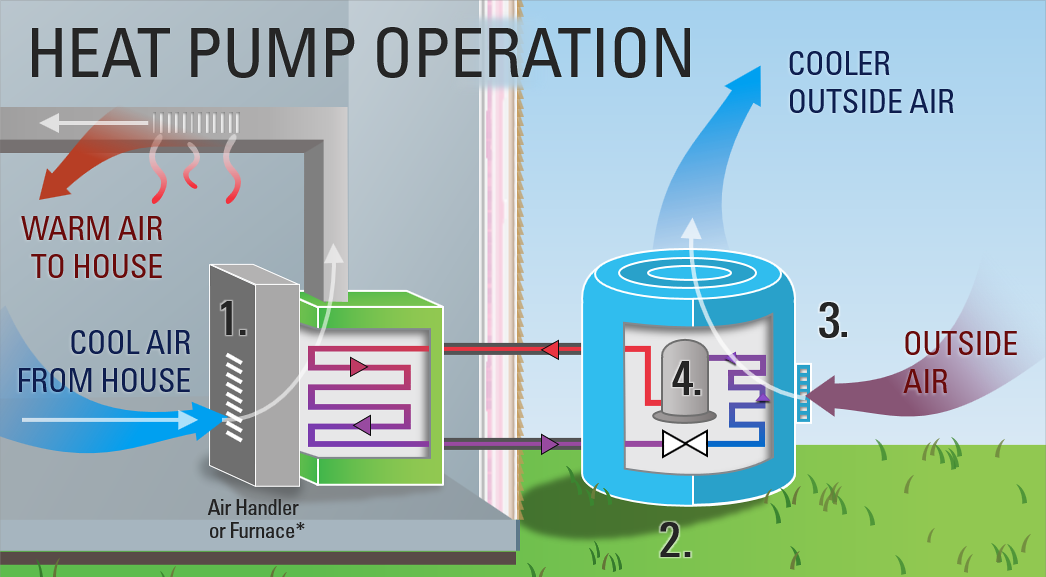
When you want warmth, the heat pump sends its heat taxi, packed with chilly liquid refrigerant, outside to the outdoor unit. Even if it's practically glacial, the outdoor air is still warmer than our super-cool refrigerant. The refrigerant, being the polite thief it is, *absorbs* that available heat. It soaks it up, gets warm, and turns into a hot gas.
Next, this now-hot, gaseous refrigerant takes a detour through a crucial component: the compressor. Consider the compressor the heat pump's bouncer. It squeezes that hot gas, making it even hotter and putting it under high pressure. Why the squeeze? Because really hot, high-pressure gas is practically begging to give up its heat.
Then, this super-heated, high-pressure gas zips inside your house to an indoor coil. Here's where your home gets cozy: A fan blows your chilly indoor air over these hot coils. The hot refrigerant transfers its warmth to your indoor air. As it gives up its heat, our superstar refrigerant cools down and condenses back into a liquid. Mission accomplished! Your home gets toasty.
Summer Swaps: Flipping the Script on Heat
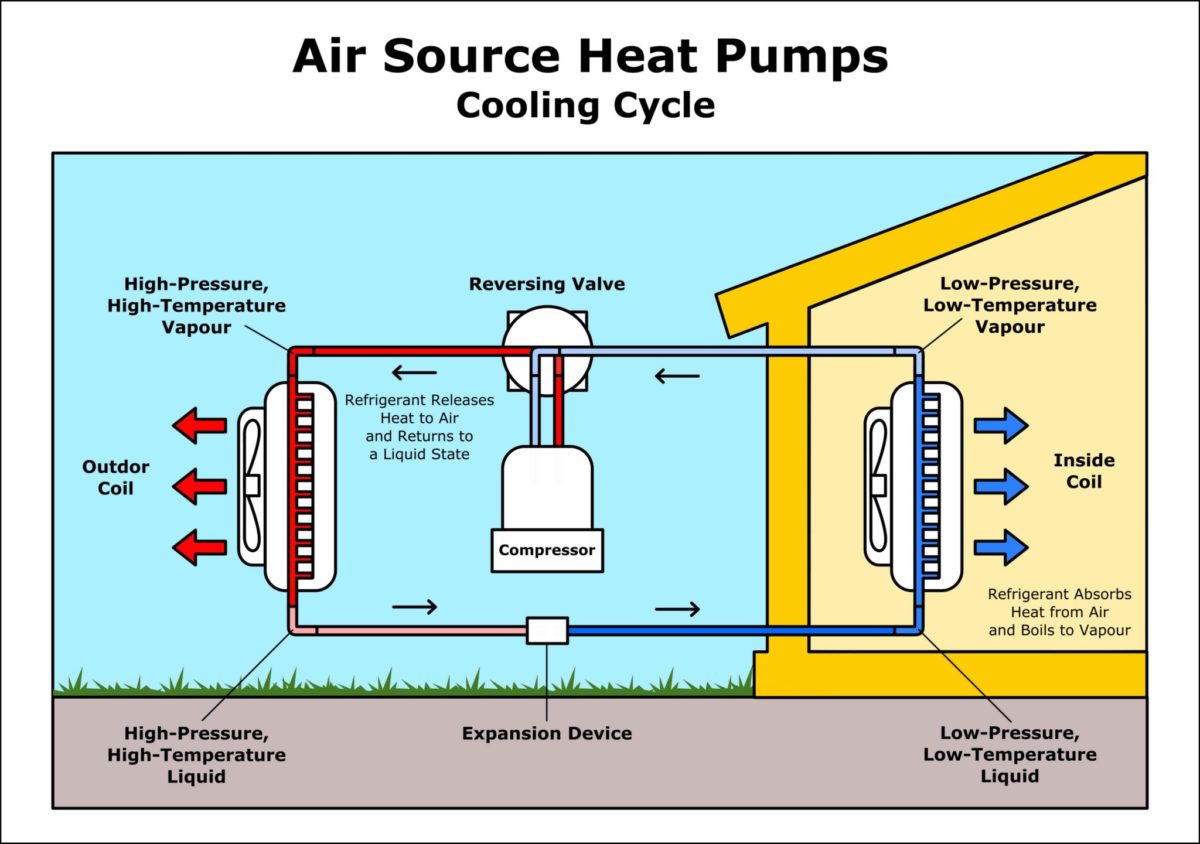
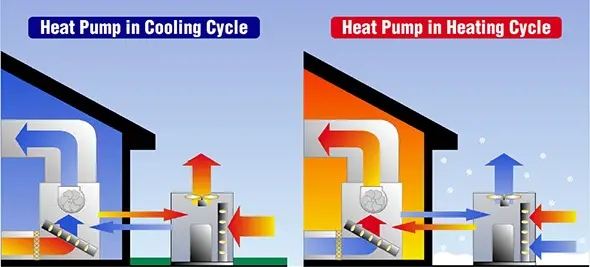
But there's more to this heat-moving marvel! When summer rolls around, and you're melting faster than an ice cream cone on asphalt, the heat pump flips a switch. It becomes a dedicated reverse heat taxi service.
Instead of snatching heat *from* outside to bring it in, it now snatches heat *from* inside your sweltering house and escorts it outside. Your warm, humid indoor air passes over the indoor coils, where the now-cool refrigerant *absorbs* all that oppressive indoor heat. The refrigerant warms up, turns into a gas, and then the compressor gives it another good squeeze.
This time, that hot, high-pressure gas travels to the outdoor unit. Out there, a fan blows cooler outdoor air over the coils, and the refrigerant happily releases all that unwanted indoor heat into the great outdoors. It condenses back into a cool liquid, ready to come back inside and grab more heat. It's an endless, silent, incredibly effective loop of heat relocation!
So, the heat pump isn't a magician pulling heat out of thin air, nor is it a miniature sun. It's just tirelessly moving existing thermal energy around, like a very efficient, invisible chore service for temperature. This is precisely why they're so energy efficient. They're not creating energy; they're simply relocating existing energy from one place to another. It takes far less energy to move a bucket of water than it does to *create* that water from scratch.
"It's not making heat, folks. It's just *stealing* it."
So, next time you feel that gentle, consistent warmth in winter or that refreshing, dehumidified cool breeze in summer, give a silent nod to your heat pump. It's not a wizard, a sorcerer, or even a mad scientist. It’s just a brilliant, slightly cheeky, professional heat relocator, quietly proving my unpopular opinion absolutely right. And now you’re in on the secret too. Welcome to the club!