Have you ever stopped to think about where gasoline comes from? Or the plastic toys in your home? It’s all thanks to something truly incredible that happens deep beneath our feet. The Earth, our amazing planet, has a secret recipe for making oil. It’s a process so vast and ancient, it’s like a slow-motion magic show happening underground!
Imagine millions and millions of years ago. Our oceans were teeming with tiny, microscopic life. We're talking about incredibly small plants and animals, things you'd need a microscope to see today. When these little critters and plants lived their lives and eventually died, they didn’t just disappear. Oh no. They began a very special journey. Instead of floating away or being eaten, many of them gently drifted down, down, down to the very bottom of the ancient seas. Think of it as a constant, gentle rain of organic matter settling on the seafloor.
The Big Burial Begins
Over vast stretches of time, more and more of this organic material piled up. It wasn't just dead organisms though. Rivers carried mud, sand, and tiny bits of rock into these same waters. These sediments also settled, forming layers on top of the organic gooey mess. Picture a giant, slow-moving lasagna being built! Layer after layer, mud and sand slowly but surely buried the ancient life. This burial was absolutely crucial. It sealed off the organic matter from oxygen, which would have allowed it to simply rot away. Instead, it was preserved, waiting for its big transformation.
This immense pressure is like the Earth hugging these ancient remains so tightly, it begins to change them!
As more and more layers of sediment piled up, the pressure grew immense. Think about the weight of mountains pressing down! The deeper these layers went, the hotter it got. This isn’t a kitchen oven kind of heat, but the gradual warmth that radiates from the Earth's core. So, we have our ingredients – ancient life – and two very important cooking conditions: incredible pressure and rising temperature. These are the unsung heroes of oil creation, slowly working their magic over geological timescales.
Earth's Slow Cooker: From Goo to Gold
Now, here's where the real alchemy happens. Over millions of years – yes, you read that right, not hundreds or thousands, but millions! – the buried organic matter began to change. First, under moderate heat and pressure, it transformed into a waxy substance called kerogen. This kerogen is still solid, but it’s the precursor, the raw dough, if you will, for our future oil. As the kerogen-rich rock got buried even deeper, exposed to even higher temperatures and more crushing pressure, something truly extraordinary occurred.
The heat began to break down the complex organic molecules in the kerogen. It essentially “cracked” them into simpler, liquid hydrocarbons. And just like that, very, very slowly, crude oil was born! Along with oil, natural gas also forms from this same process, often found in the same geological pockets. It’s like the Earth’s natural refinery, slowly simmering away for eons to produce the fuels we use today. This whole process is often called the "oil window" – it needs just the right temperature and pressure to work its wonders. Too cool, and you get kerogen. Too hot, and you'll end up with only natural gas or even graphite.
The Great Escape and Trapping
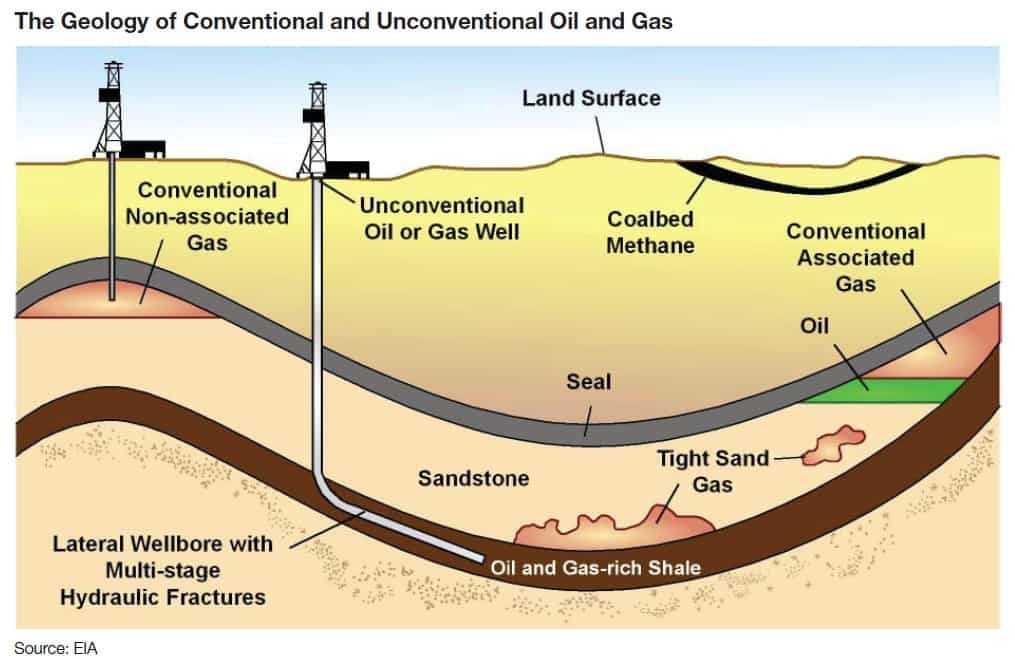
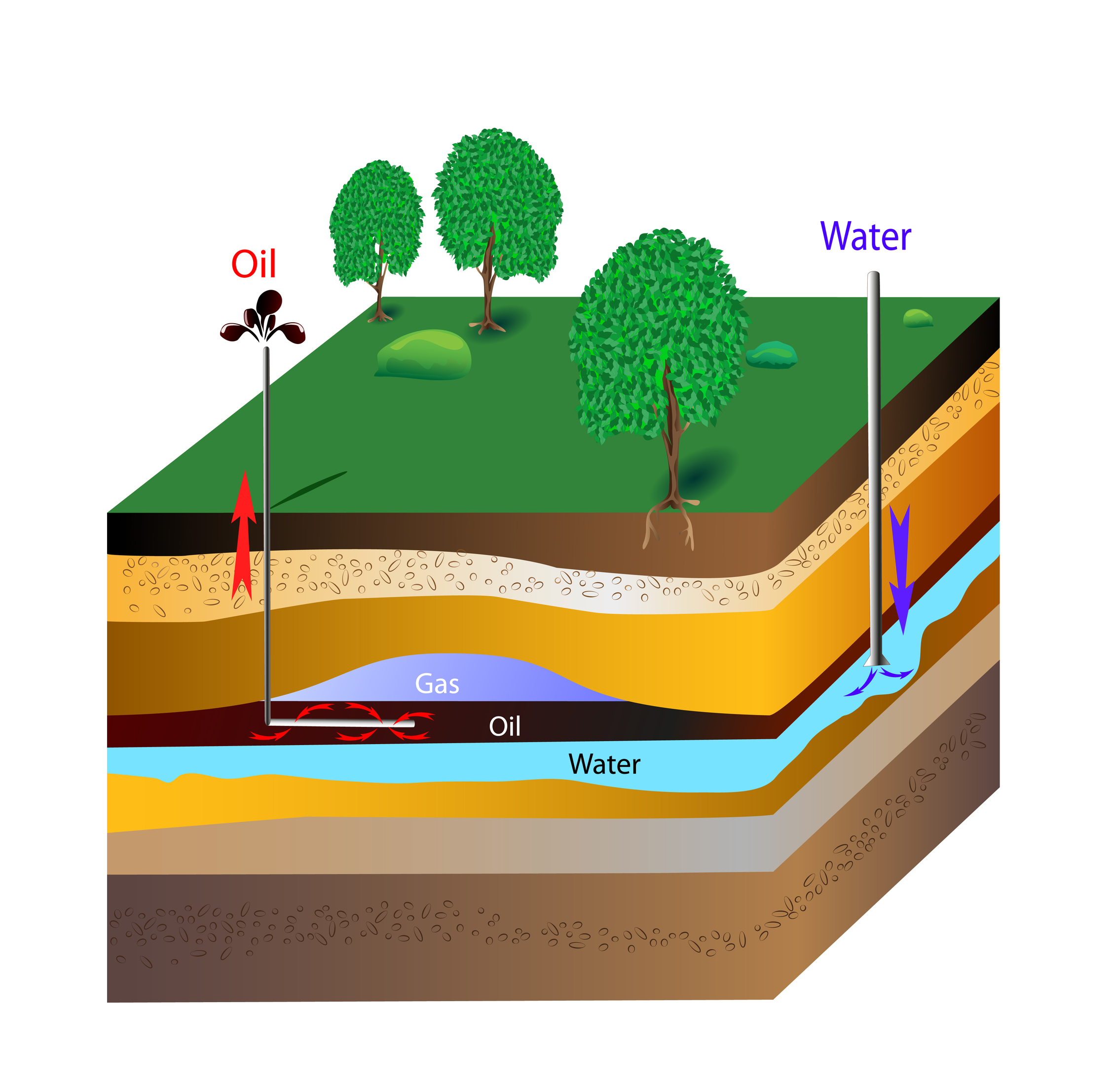
Once formed, this newly created oil doesn’t just stay put. It's often lighter than the surrounding rock and water, so it starts to migrate. It slowly seeps and flows upwards through tiny pores and cracks within permeable rocks, like water soaking through a sponge. But oil can’t just flow endlessly to the surface. It needs a trap! Geologists look for specific underground rock formations that act like giant, upside-down bowls or sealed containers. These are usually layers of non-porous rock, like shale or salt, that prevent the oil from escaping further upwards. The oil gets caught, accumulating in large underground reservoirs, waiting for us to discover it.
So, the next time you fill up your car or use a plastic item, take a moment to marvel. That fuel, that material, started as tiny sea creatures and plants living countless millions of years ago. It’s been cooked, squeezed, and transformed by the incredible power of our planet. The Earth truly is an amazing architect, turning ancient life into a liquid treasure, right beneath our very feet. Isn't that just mind-bogglingly cool?