Ever look up at those shiny, dark panels on a roof and think, "How on Earth does that thing make electricity?" You’re not alone. It feels like some kind of space-age wizardry, right? Like they’re secretly brewing potions of pure energy from thin air. But here’s my possibly unpopular opinion, ready for you to chuckle at, or perhaps even agree with:
The secret to solar power isn't some complex, mind-bending physics equation that only rocket scientists understand. Nope. It's actually kind of... boringly simple. So simple, in fact, that you might feel a little cheated after you find out.
Seriously. It’s not magic, and it’s surprisingly straightforward. You ready for the big reveal? Let’s pull back the curtain on this alleged mystery.
It All Starts With the Sun (Surprise!)
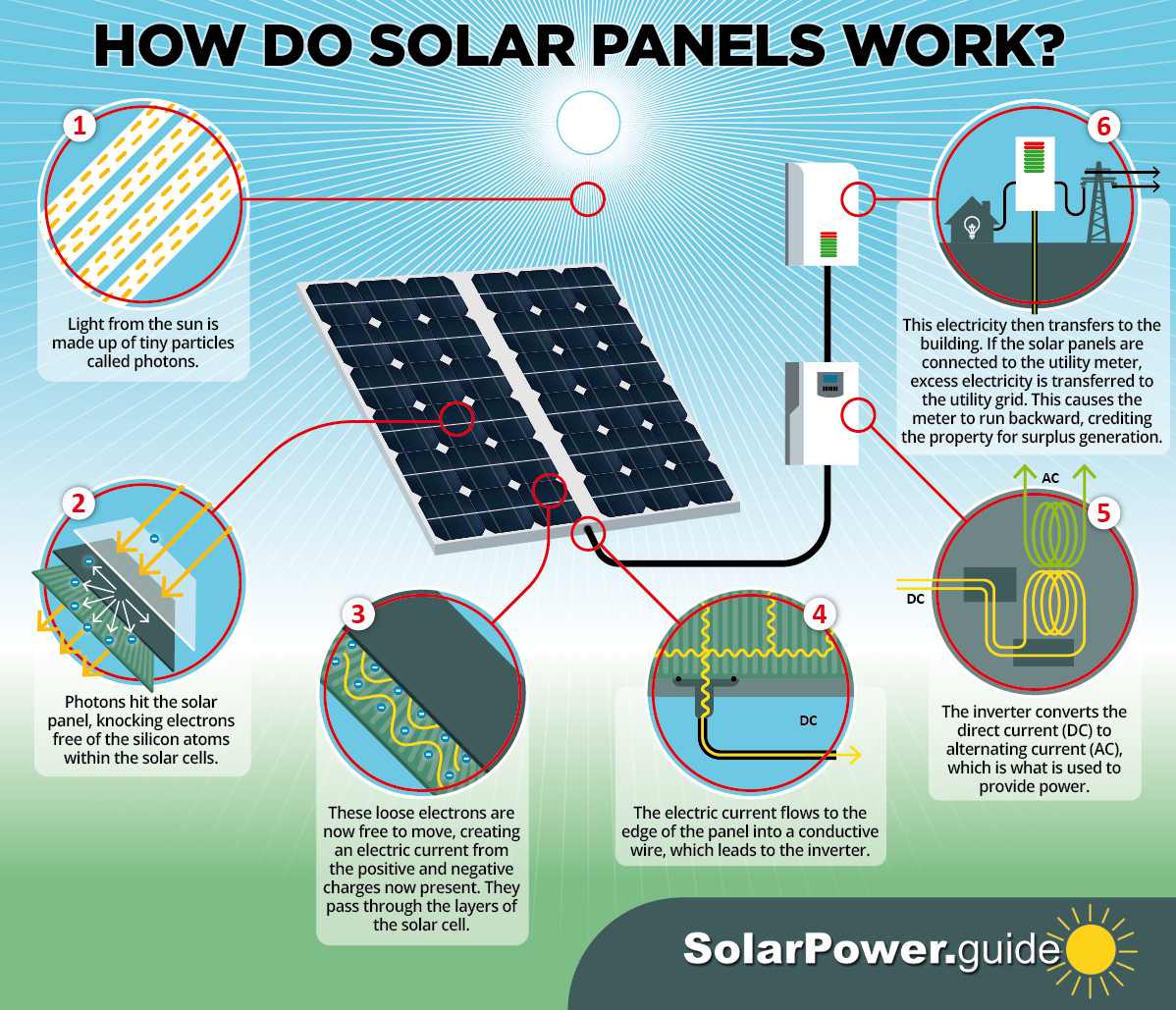
Okay, this part isn't the shocker. The sun is, well, the sun. It does its thing, shining brightly, trillions of miles away. But what exactly is "shining"? It's actually sending out tiny packets of energy called photons. Think of them like miniature, energetic tennis balls made of light. They’re constantly zipping through space, heading straight for our planet. Your window, your face, that bird on the fence – everything is getting pelted by these little guys. And guess what else is getting pelted? Your friendly neighborhood solar panel.
The Panel's Big Secret: The Photovoltaic Effect
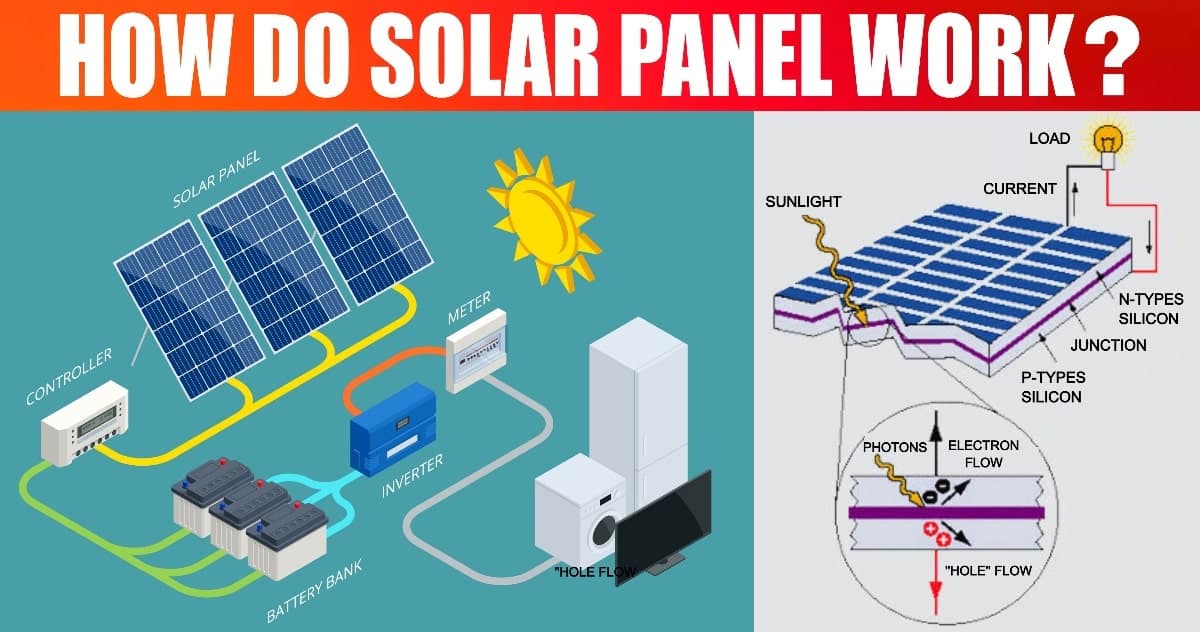
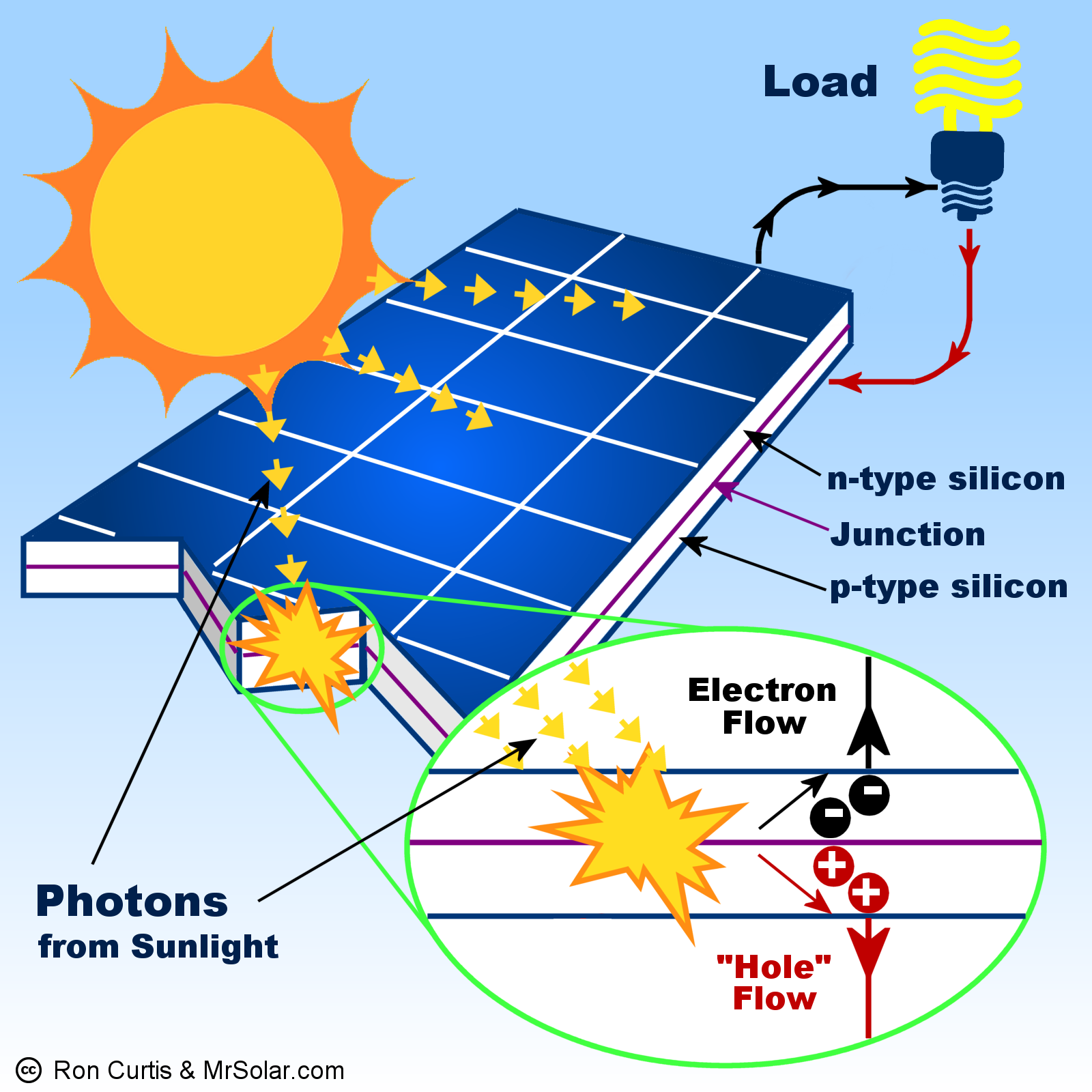
Now, this is where the *magic* (or rather, the clever engineering) happens. A solar panel isn't just a fancy black rectangle. It’s made up of many smaller units called photovoltaic cells. And these cells, the real heroes of our story, are mostly made from a very special material: silicon. You might know silicon from computer chips or even sand, but here it's processed to be super sensitive.
Inside each silicon cell, there are two different layers. One layer is treated to have an abundance of tiny little charges called electrons, and the other layer is treated to have a shortage of them. It's like having a crowded room next to an empty room, and they really, really want to balance out. But there's a barrier preventing them from just wandering over.
Here’s the brilliant bit: When a sunbeam's photon (that energetic tennis ball) slams into a silicon atom in the panel, it’s like a tiny billiard ball hitting another. The impact is enough to knock one of those naturally abundant electrons loose from its atom. It literally frees an electron to go wander off.
Making the Electrons Get to Work
Now you have a loose electron. What do you do with it? Well, thanks to the clever design of those two silicon layers, these newly freed electrons are naturally pushed in a specific direction. They start flowing from one side of the cell to the other. And what is a flow of electrons? Yep, you guessed it! That’s electricity. Specifically, it’s called Direct Current, or DC power. It’s like a river flowing steadily in one direction.
So, the sun throws photons, the solar panel catches them, and the photons nudge electrons, which then start flowing. See? Told you it wasn't rocket science. It's more like a very sophisticated game of tag, where the sun is "it" and the electrons are trying to run away.
From Sunbeams to Netflix Power: The Inverter
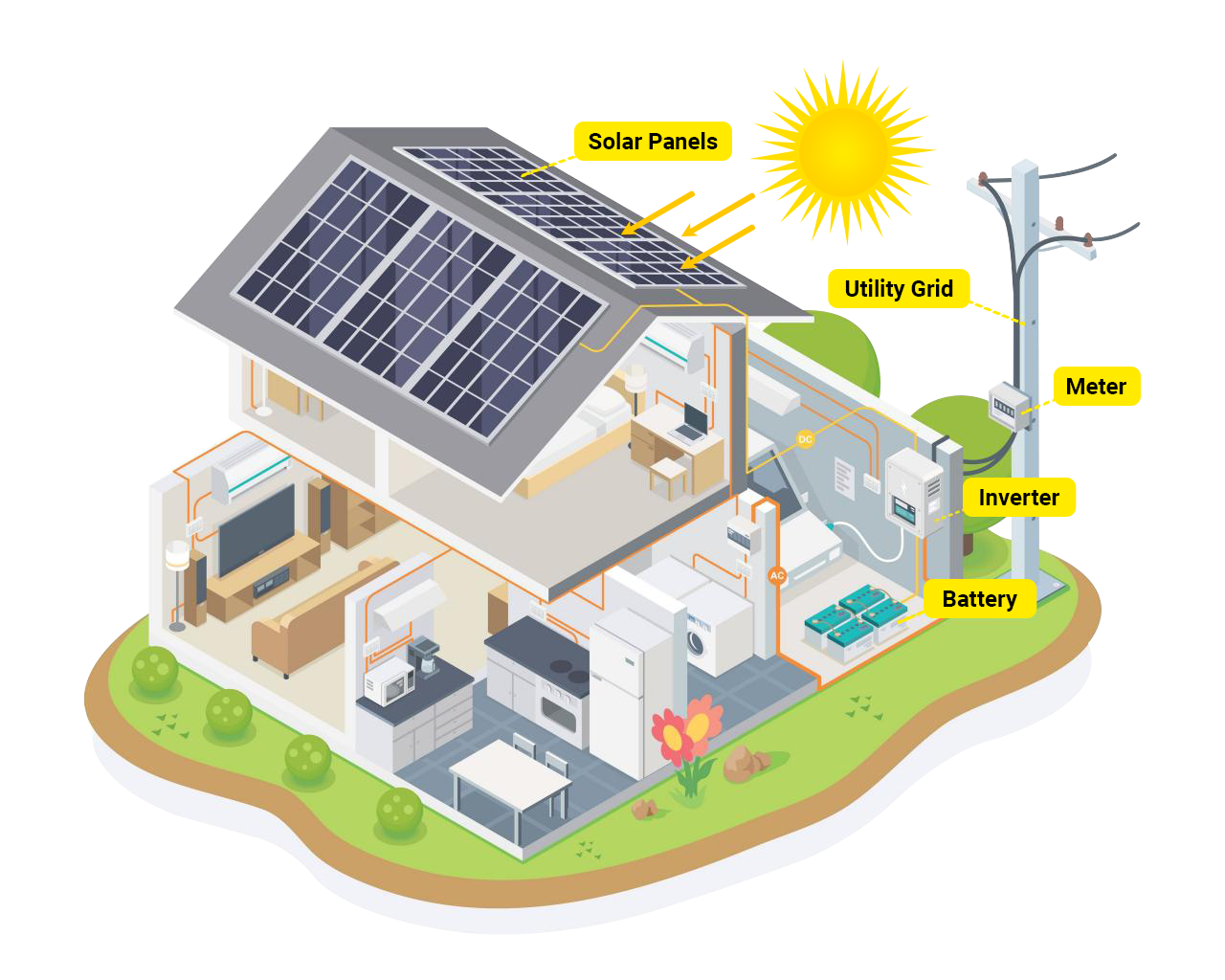
Now, most of the appliances in your house – your toaster, your TV, your phone charger, your Netflix binge machine – they don’t run on DC power. They run on something called Alternating Current, or AC power. Think of AC like a bouncy wave, where the electricity flows back and forth very quickly. This is where another crucial piece of equipment comes in: the inverter.
The inverter is like the ultimate translator. It takes all that raw DC power generated by your panels and transforms it into usable AC power. It's pretty smart. Once the power is converted to AC, it can then go straight into your home to power your lights and gadgets, or, if you’re making more than you need, it can be sent back to the main electricity grid for others to use. And that, my friends, is how you become a tiny, personal power station, all thanks to some clever silicon and a very busy sun.
So next time you see a solar panel, give it a nod of appreciation. It's not conjuring electricity from thin air; it's just catching sunlight and gently nudging some electrons into action. Simple, elegant, and yes, perhaps a little anticlimactic. But still pretty cool, right?