Ever look up at the sun on a beautiful day and think, "What if we could power our entire world with that incredible, never-ending energy source?" Well, spoiler alert: we totally can, and we are! The magic of solar plants isn't just cutting-edge technology; it's a testament to human ingenuity, tapping into the most abundant power source in our solar system. Understanding how these glowing giants work isn't just useful; it's a peek into a brighter, cleaner future for everyone, making it one of the coolest topics around. Let's peel back the layers and see how these incredible facilities harness the sun's power to light up our lives.
At its core, the purpose of a solar plant is elegantly simple: to convert sunlight directly into electricity. The benefits are truly revolutionary. Unlike power plants that burn fossil fuels, solar plants produce zero greenhouse gas emissions during operation, making them a crucial weapon in the fight against climate change. They rely on an inexhaustible resource – the sun – meaning they offer a truly renewable and sustainable energy solution. This also contributes to energy independence, reducing our reliance on finite and often volatile global fuel markets, all while enjoying lower operating costs once built.
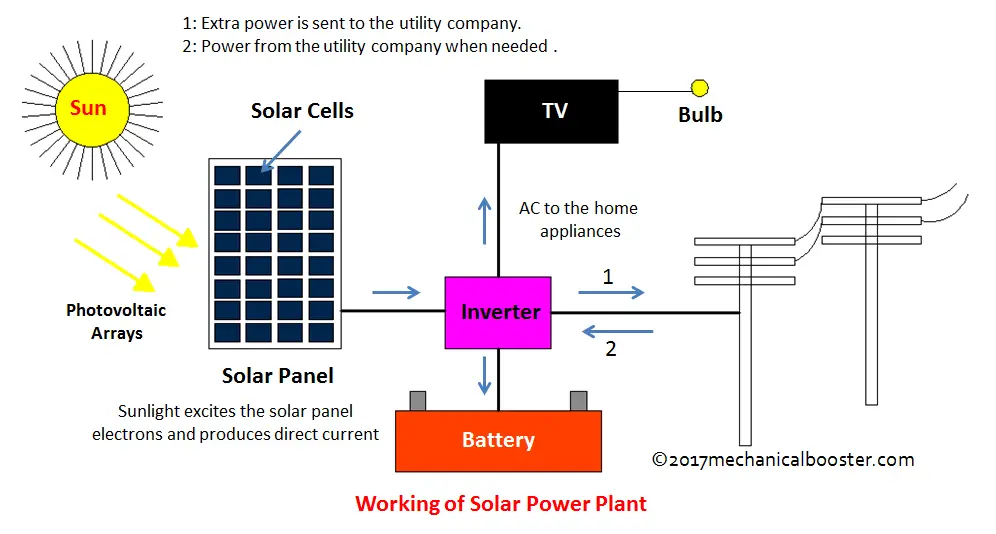
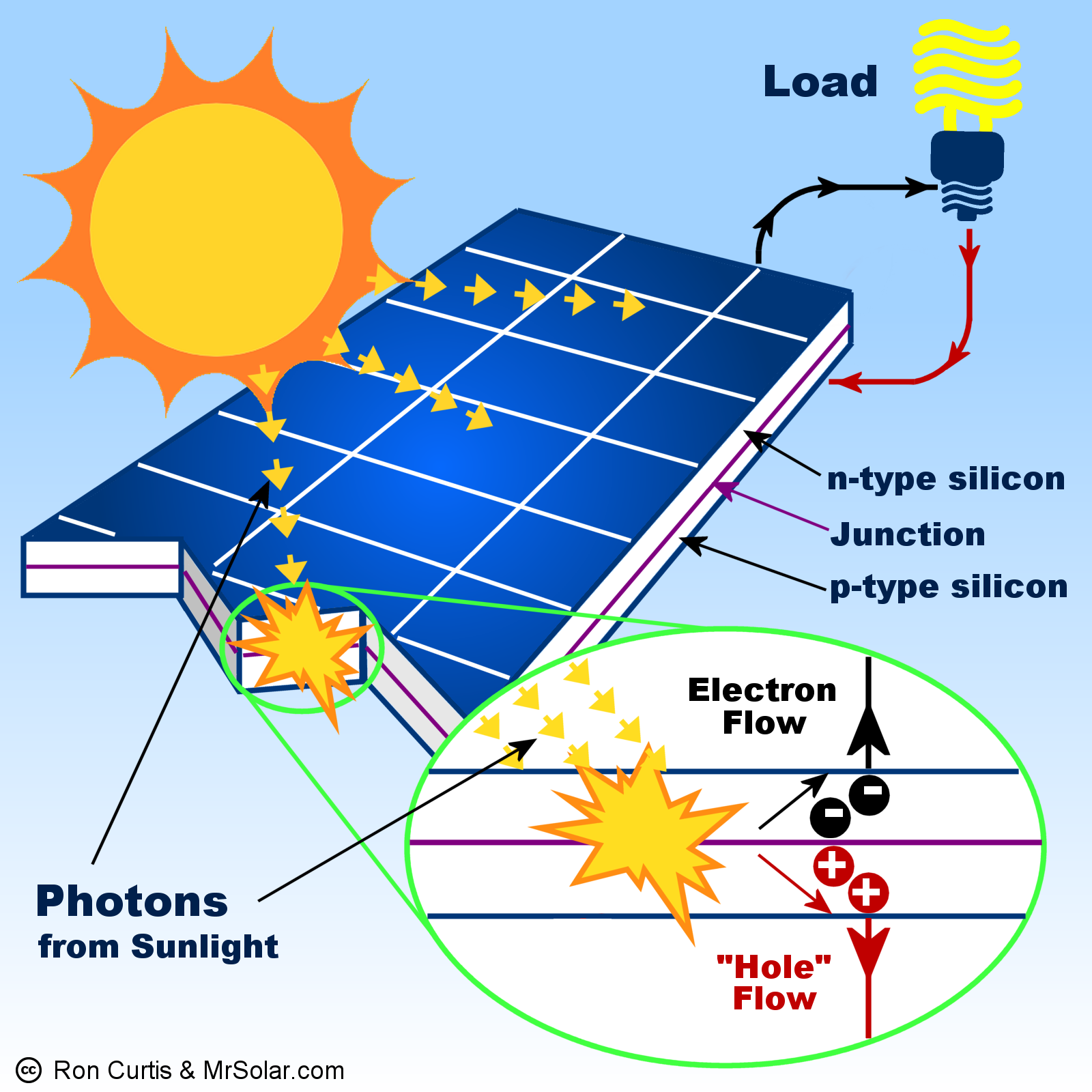
So, how does this solar sorcery actually happen? It all starts with the humble but mighty solar panel, typically made of many individual photovoltaic (PV) cells. These cells, often crafted from silicon, are the true heroes. When sunlight, made up of tiny energy packets called photons, strikes the silicon, it excites the electrons within the material. Imagine a tiny billiard game where photons are cue balls, knocking electrons loose from their atoms. This movement of electrons creates an electric current, specifically a direct current (DC) electricity.
However, most of our homes and appliances run on alternating current (AC) electricity. This is where the next crucial component steps in: the inverter. This clever device acts as the plant's translator, taking that DC power generated by the solar panels and seamlessly converting it into usable AC power. From the inverter, the AC electricity usually passes through a transformer, which boosts its voltage to make it efficient for long-distance travel. Finally, this high-voltage AC power is fed into the existing power grid, ready to flow into our homes, schools, and businesses, powering everything from our smartphones to our refrigerators.
From the moment sunlight hits those panels to the instant your lights flick on, a solar plant is a marvel of clean energy production. It's a silent, powerful process that continues to evolve, promising an increasingly sustainable way to meet our energy demands, simply by harnessing the immense power of our very own star.