Ever found yourself shivering indoors, wishing for that perfect cozy warmth, and then BAM! Your room heater kicks in, turning a frosty space into a snug haven? It’s a common winter ritual, but have you ever stopped to wonder how that magical box works its warming wonders? Understanding your room heater isn't just for tech geeks; it’s a genuinely fun and useful bit of everyday knowledge that helps you stay warmer, safer, and potentially save on your energy bill.
For the everyday beginner, grasping the basics of how a heater works demystifies a common household appliance. It helps you make smarter choices when buying one, understanding why some heat faster or are better for certain room sizes. For families, this knowledge is even more critical. Knowing the principles helps you pick the safest and most efficient option for a baby's nursery, a bustling living room, or a drafty home office. It’s about ensuring comfort and security for your loved ones, and perhaps even understanding why that energy bill spikes in winter! While perhaps not a typical hobby, those who enjoy optimizing their home or appreciate clever engineering will find a rewarding glimpse into thermal dynamics and energy transfer by understanding heater mechanics.
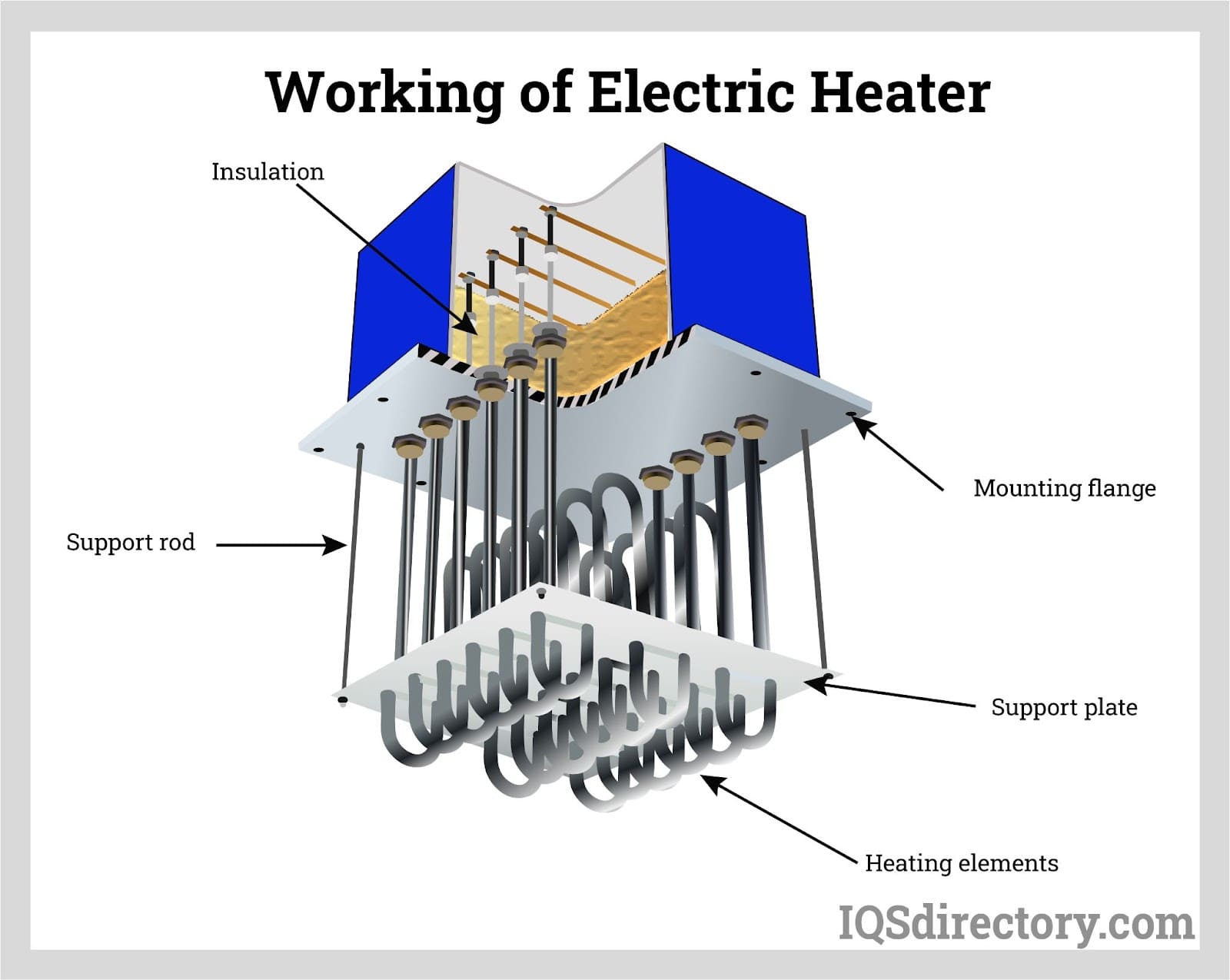
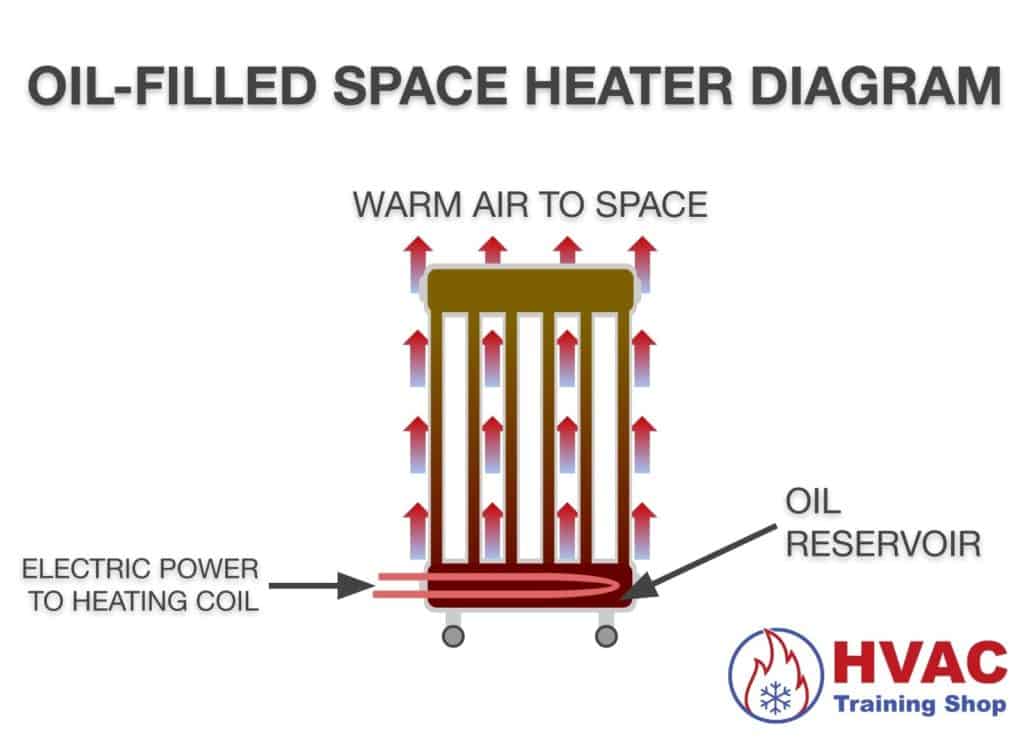
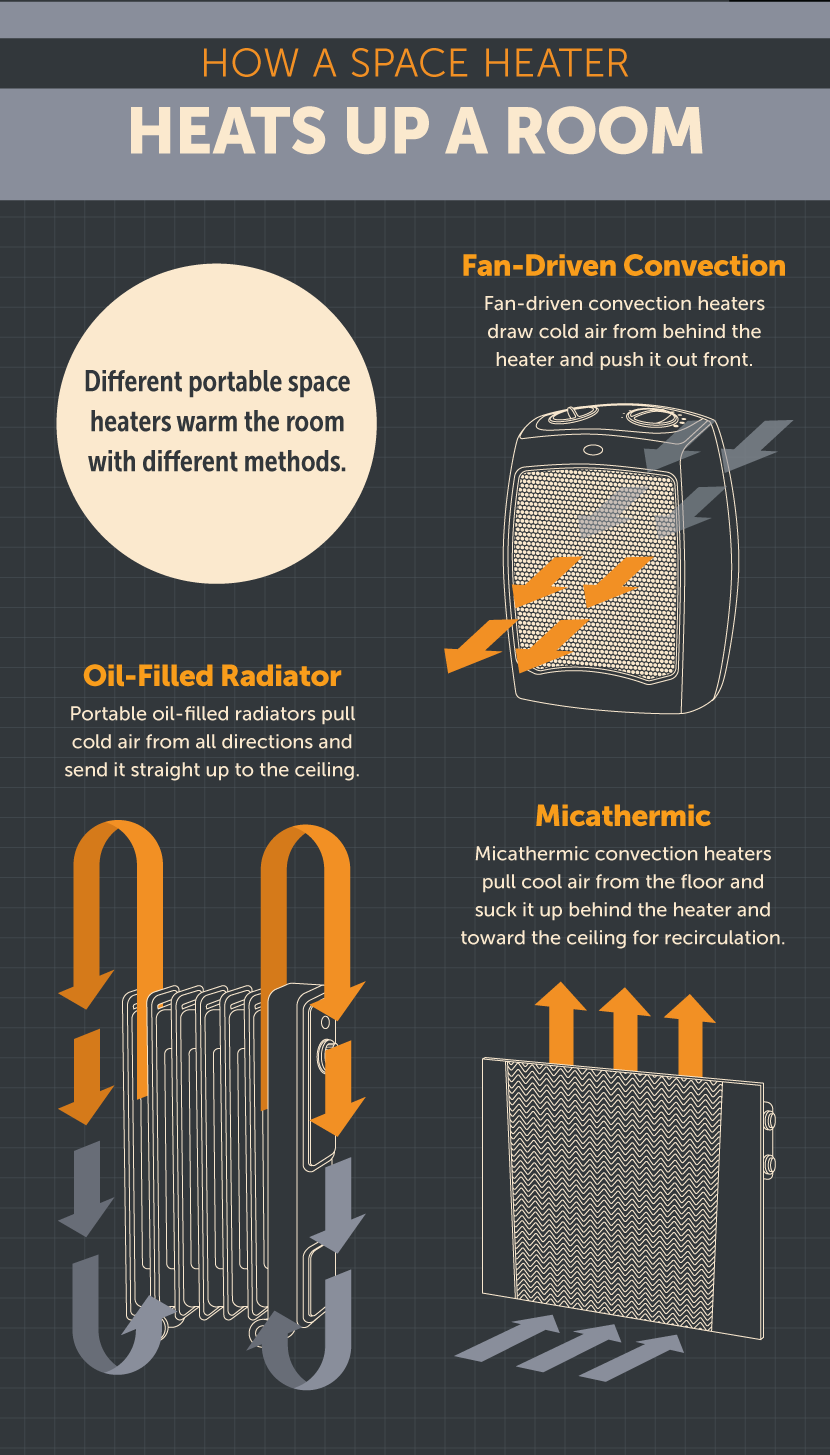
So, what's the secret sauce? Most room heaters work by converting electricity into heat, primarily through two main methods: convection and radiation. Convection heaters, like your standard fan heater or oil-filled radiator, work by heating the air around them. An internal heating element (often a wire coil or ceramic plate) gets hot, and a fan then blows this warm air into the room, or in the case of oil-filled radiators, the heated oil transfers its warmth to the metal surface, which then heats the surrounding air. This warm air rises, cold air sinks, and a natural circulation (convection current) starts, slowly warming the entire room. On the other hand, radiant heaters, often recognized by their glowing elements, work more like the sun, emitting infrared radiation that directly heats objects and people in its path, rather than the air. Think of standing in direct sunlight on a cold day – you feel warm even if the air around you is chilly. Many modern heaters combine elements of both, offering a more balanced heat.
Ready to put this newfound knowledge into practice? Here are some simple, practical tips. First and foremost, safety is paramount. Always place your heater on a stable, flat surface, and keep it at least three feet away from anything flammable like curtains, bedding, or furniture. Never cover a heater, as this can lead to overheating and fire hazards. For efficiency, use your heater to warm a specific room you're in, rather than trying to heat your entire house. Look for models with a thermostat to set your desired temperature and avoid wasting energy. Finally, give your heater a quick clean regularly; dust accumulation can reduce efficiency and even pose a fire risk.
Understanding how your room heater works is more than just trivia; it’s about making informed decisions for comfort, safety, and efficiency in your home. So next time you flick that switch and feel that glorious warmth spread, you can appreciate the clever science behind it all. Stay warm, stay smart!