Ever paused to think about the humble wall plug? You know, that little plastic thing we jab into the wall countless times a day without a second thought? It’s truly one of life’s great unsung heroes, silently powering our gadgets, lights, and countless other everyday conveniences. But have you ever wondered, even for a split second, how it actually works? What mysterious magic is tucked away inside that innocuous plastic shell?
I mean, it just connects, right? You plug it in, and poof! Electricity flows. Easy peasy. But dig a little deeper, and you’ll find a fascinating, remarkably clever, and surprisingly simple bit of engineering. It’s not just a random tangle of wires; it’s a carefully orchestrated system designed for both efficiency and, crucially, safety. Let’s peel back the plastic and take a peek, shall we?
The Inner Workings: More Than Meets the Eye
Imagine your wall plug as a tiny, highly efficient post office. It needs to receive mail (electricity) and send it out to the right places, making sure everything runs smoothly and no mail gets lost or, worse, causes a chaotic accident! At its core, a standard wall plug (in many parts of the world, like the UK, Australia, or parts of Asia) usually has three pins and connects to a cable containing three very important wires.
These three wires are the real stars of the show, each with a distinct personality and a vital role to play:
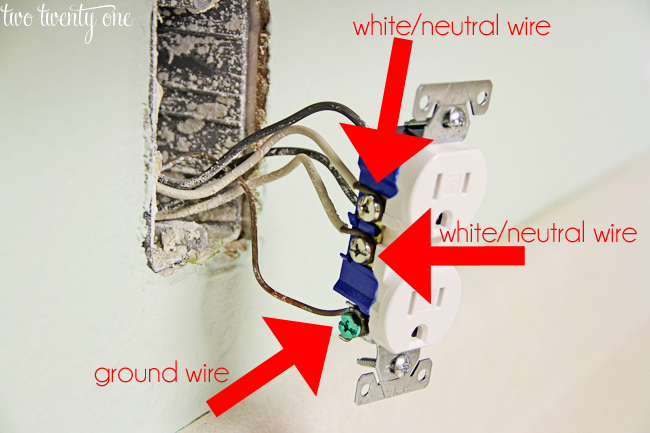
The Live Wire (Brown): This is the powerhouse, the main express train bringing all the energy from the wall socket. Think of it as the muscle, carrying the electrical current that makes your devices buzz, whir, and light up. It’s active, it’s alive, and it’s the one you absolutely want to treat with respect!
The Neutral Wire (Blue): If the Live wire is bringing the power, the Neutral wire is like the return track for that express train. It completes the circuit, allowing the electricity to flow back to the power source. Without it, the circuit wouldn't be complete, and nothing would work. It’s the harmonizer, ensuring a balanced flow.
The Earth Wire (Green and Yellow Stripes): Ah, the unsung hero, the safety net, the guardian angel! The Earth wire is a brilliant bit of design. It’s not directly involved in powering your device under normal circumstances. Instead, it’s there as a failsafe. If something goes wrong inside your appliance – say, a live wire accidentally touches the metal casing – the Earth wire provides a safe path for that rogue electricity to go straight into the ground, preventing you from getting a nasty shock. It's like having a superhero standing by, ready to divert danger!
Color-Coded for Your Convenience (and Safety!)
You might have noticed that these wires aren't just any old color. There’s a universal language here! In many regions, the Live wire is brown, the Neutral wire is blue, and the Earth wire is a distinctive green and yellow stripe. Why the specific colors? It’s all about standardization and safety. Imagine the chaos if every plug had different colored wires – it would be a nightmare for electricians and a recipe for dangerous mistakes!
These colors are like traffic lights for electricity, telling you exactly where each wire needs to go. It makes wiring a plug a methodical, almost artistic process, rather than a guessing game.
The Grand Connection: A Mini Engineering Marvel
So, how do these three colorful characters get connected inside the plug? It’s a beautifully simple system:
First, the outer insulation of the cable is carefully stripped back, revealing our three individual wires, each neatly insulated in its own color. Then, a small section of the colored insulation is removed from the end of each wire, exposing the copper strands within.
Each wire then finds its designated spot:
- The brown Live wire connects to the fuse, which is then connected to the short pin (the one on the right when looking at the front of a UK-style plug). The fuse itself is another crucial safety device, acting as an intentional weak link. If too much current tries to flow, the fuse melts, breaking the circuit and preventing damage to your appliance or, worse, a fire. It's like a tiny, sacrificial circuit breaker!
- The blue Neutral wire connects to the long pin (the one on the left).
- The green and yellow Earth wire connects to the top, thick pin. This pin is often a bit longer to ensure it connects first when you plug it in, establishing that vital safety path before power starts flowing. Clever, right?
Finally, there's usually a small plastic clamp or grip inside the plug that securely holds the main cable in place. This might seem minor, but it's super important! It stops the individual wires from being pulled out of their terminals if the cable gets yanked, preventing exposed live wires and potential hazards.
Why is This So Cool?
So, we've taken our little journey inside the world of the wall plug. But beyond the technicalities, why is any of this "cool" or interesting for your average person?
Firstly, it demystifies the everyday. We often take the seamless operation of our electronics for granted. Peeking behind the curtain of a simple wall plug transforms a mundane object into a mini-marvel of thoughtful design.
Secondly, it empowers you. Knowing the roles of the Live, Neutral, and Earth wires, and understanding the genius of the fuse, gives you a greater appreciation for the technology that surrounds you. It might even give you the confidence to safely change a fuse yourself!
It also powerfully highlights human ingenuity. It showcases how elegant solutions are crafted for complex needs, ensuring convenience without compromising safety. A simple plug is a testament to clever, effective problem-solving.
And finally, this knowledge profoundly boosts your safety awareness. Understanding why the Earth wire is green and yellow, or why a fuse is crucial, isn't just trivia. It makes you more conscious of electrical safety, helping you appreciate the built-in safeguards that protect you and your loved ones every single day.
So, the next time you plug in your phone charger or kettle, take a moment to appreciate that intricate yet elegant system humming beneath the surface. It’s not just a connection; it’s a testament to smart design, brilliant safety features, and the silent, invisible flow of energy that makes our modern lives possible. Who knew a little wall plug could hold so much wonder?