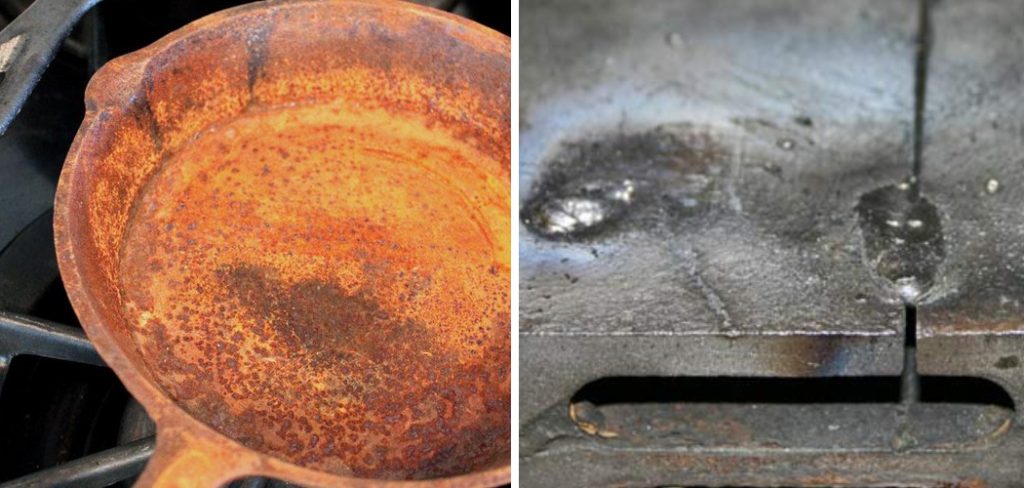
Oh, cast iron! It’s the trusty workhorse of the kitchen, the indestructible hero of campfires, and frankly, the only thing in my life that promises to outlive me (and probably my grandkids too). But even these legendary beasts, these titans of the culinary world, sometimes need a little TLC. Maybe you inherited a rusty relic, or perhaps your favorite skillet took an unfortunate tumble off the counter. Fear not, fellow food adventurers! Repairing cast iron isn't some dark art practiced by ancient blacksmiths. It's often just a bit of elbow grease and a whole lot of love.
Rust? More Like Dust!
Let's tackle the most common villain in the cast iron saga: RUST. That unsightly, flaky, reddish-brown villain that makes your gorgeous pan look like it’s been wrestling a swamp monster. But here’s the secret: rust is terrified of you! With the right attitude, you can send it packing faster than you can say "sizzling bacon."
First, grab some serious scrubbing power. Think steel wool, a metal scourer, or even a coarse salt scrub. For really stubborn rust, a dash of white vinegar can work wonders – let it soak for a bit, but don't forget it, or you'll be trading one problem for another! Then, get scrubbing like you’re trying to win an Olympic medal in utensil cleaning. You want every speck of that rusty villain gone. Rinse it well, then immediately dry it *thoroughly* on the stove or in a warm oven. Water is rust’s best friend, and we're officially breaking up that friendship!
Pro-Tip: A little baking soda paste can also be a gentle but effective abrasive for those less aggressive rust patches. Think of it as a spa treatment for your skillet!
The Glorious Re-Seasoning Revival!
Once your cast iron is rust-free and bone dry, it's time for the ultimate makeover: re-seasoning. This isn't just a repair; it's a resurrection! Seasoning is that magical, polymerized layer of oil that gives cast iron its legendary non-stick properties and protects it from future rust attacks. It’s like giving your pan an invisible, invincible suit of armor.
How to Achieve Pan Nirvana:
Get yourself a good high-smoke point oil – think flaxseed, grapeseed, or even good old vegetable oil. Rub a *very thin* layer all over your pan, inside and out. We’re talking barely-there thin; too much and it’ll get sticky and gross. Wipe off any excess like you’re trying to hide evidence. Then, pop it into a preheated oven (upside down, please!) at about 450-500°F (230-260°C) for an hour. Turn off the oven, let it cool completely inside, and then marvel at the transformation.
For truly epic seasoning, repeat this process a few times. Each layer builds upon the last, creating a slick, dark surface that will make eggs slide around like they're on an ice rink. It's incredibly satisfying, trust me!
When Cast Iron Cracks: A Tale of Two Repairs
Now, what if your beloved cast iron has suffered a more traumatic injury, like a crack or a chip? This is where things get a little more serious, but not necessarily hopeless!
The Tiny Tweak:
For small, shallow chips, especially on the rim or handle that aren't structural, sometimes you can just… embrace it! It adds character, a battle scar from a thousand delicious meals. If it’s bothering you or feels a bit rough, a very gentle smoothing with a fine-grit sandpaper (and then re-seasoning that area, of course!) can often do the trick for purely cosmetic dings.
The Big Break:
For actual structural cracks running through the cooking surface or a complete break, we're venturing into superhero territory. Repairing serious cast iron cracks usually involves welding, a job best left to the professionals. Cast iron is notoriously tricky to weld because it's brittle, and needs special techniques and pre-heating to avoid more cracks. Don't try to wield a welding torch unless you've got a cape and a certification! For most of us, a major crack in a cooking vessel means it might be time to give that pan an honorable retirement as a garden planter, or sadly, say goodbye. But hey, it lived a good life, right?
Wobbly Handles and Loose Bits
Sometimes, the "repair" is gloriously simple! If your cast iron has a handle attached with bolts (like many modern skillets or Dutch ovens), a wobbly handle might just need a good old-fashioned tightening. Grab a screwdriver and cinch those bolts down. Voila! Instant repair, no magic spells required.
So, whether it's battling rust, bringing back that glorious seasoning, or knowing when to call in the big guns for a true break, repairing cast iron is often an empowering and rewarding process. Your trusty kitchen companion is tougher than you think, and with a little love, it’ll be ready for a lifetime more of culinary adventures!