Ever wondered how those weather folks come up with a "Category 3" or a "Category 5" when they talk about hurricanes? Is it like Yelp for Mother Nature, where people rate the wind's performance? "Oh, the rain was a bit much, but the sustained winds were truly exhilarating! Three stars!"
Nah, not quite! While it sounds like a fun concept, rating a hurricane isn't quite as subjective as your latest brunch review. It's actually a pretty serious, but still totally understandable, science. So, grab your metaphorical hurricane preparedness kit (or just a comfy chair and a cuppa), and let's dive into how these windy whirligigs get their numbers!
So, How *Do* We Rate These Windy Wanderers?
Forget popularity contests or artistic merit. When it comes to rating a hurricane, there's one main heavyweight champion: wind speed. That's right, it's primarily about how fast that air is whipping around. Think of it as nature's speedometer, but for chaos.
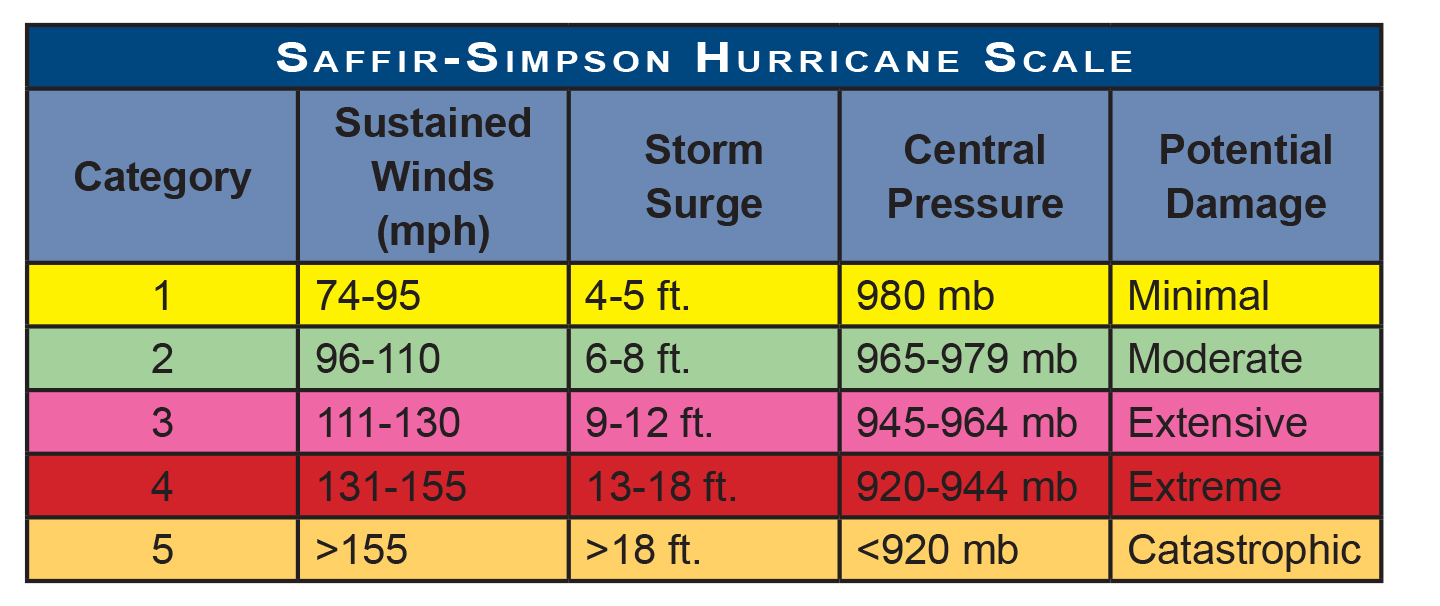
The scale we use is called the Saffir-Simpson Hurricane Wind Scale. Sounds fancy, right? It was developed by Herbert Saffir and Robert Simpson back in the 70s. It basically categorizes hurricanes from 1 to 5, purely based on their maximum sustained wind speeds. It's like a danger thermometer, telling us just how grumpy the atmosphere is feeling that day. And no, we're not talking about your aunt Mildred's temper after a burnt casserole, though sometimes it feels similar!
Category 1: The Feather Ruffle (But Still Serious!)
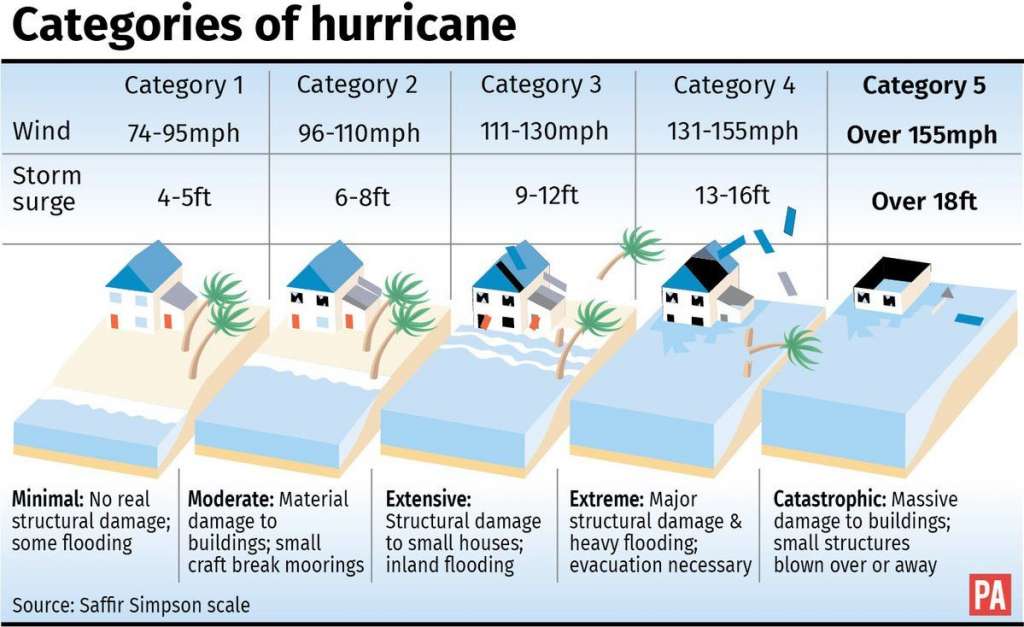
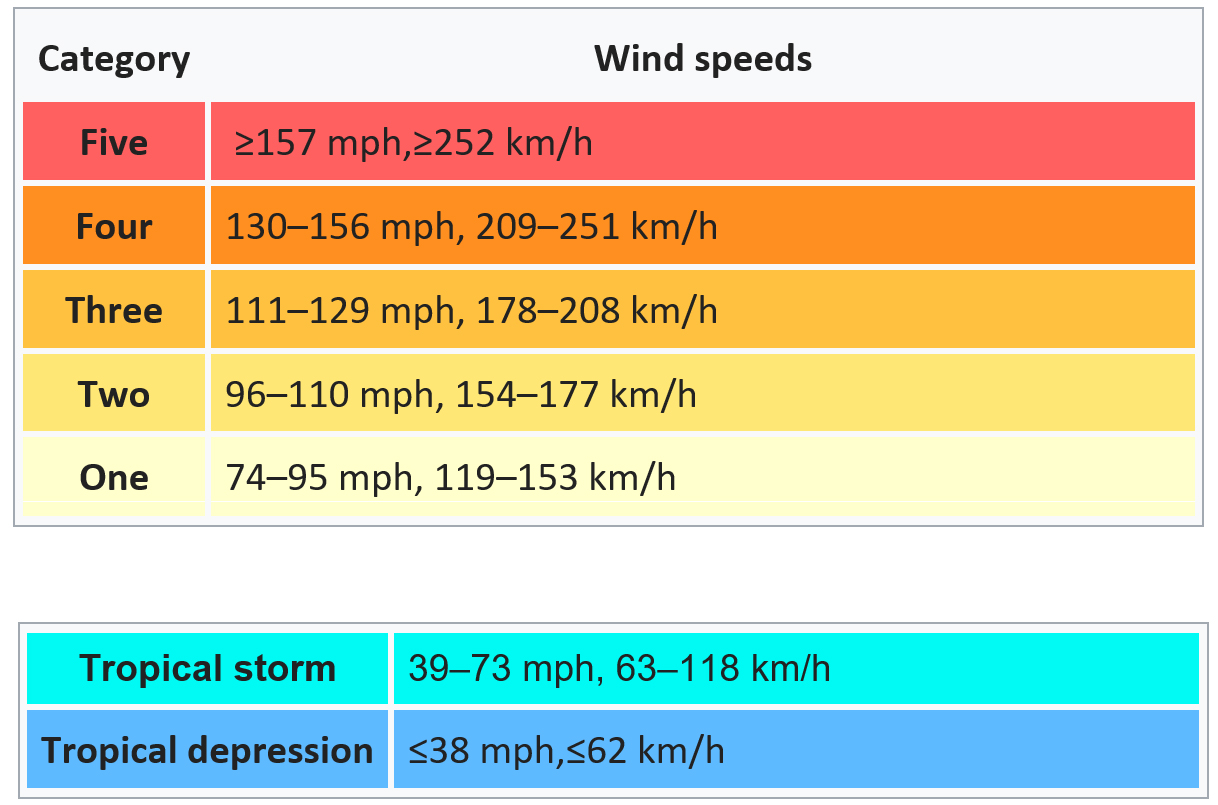
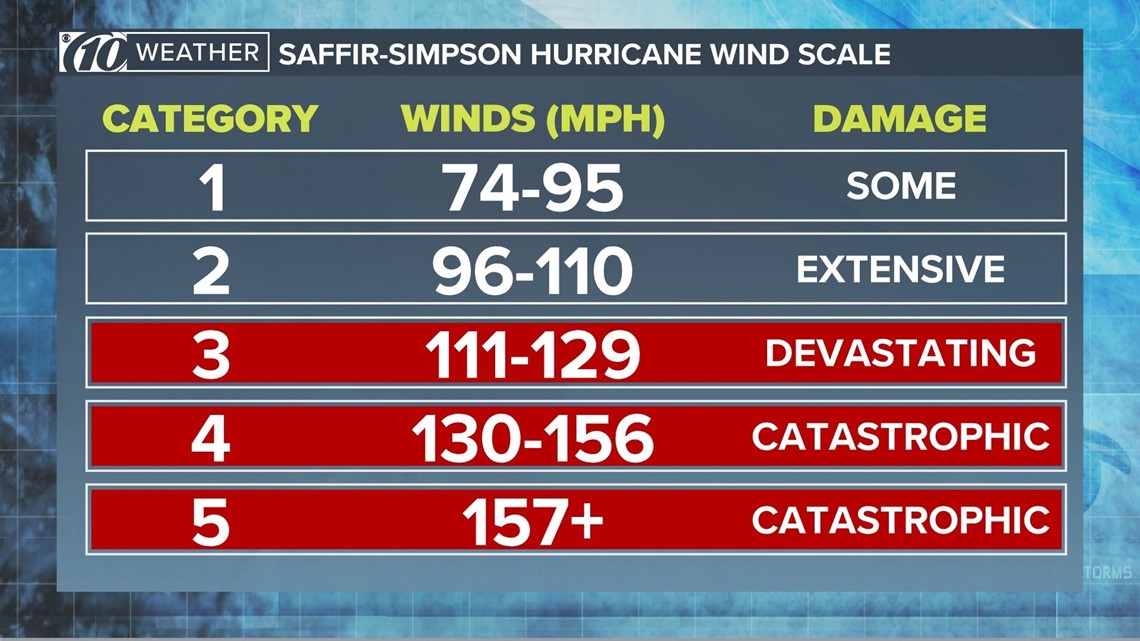
Alright, let's start with the "baby steps" of hurricane ratings. A Category 1 hurricane boasts sustained winds of 74 to 95 mph. To put that in perspective, imagine sticking your head out of a car window going freeway speed – but with rain, flying debris, and no car. It's enough to cause some pretty decent damage, like snapping tree branches, taking out power lines, and maybe making your flimsy garden shed suddenly decide it wants to fly to Oz. It's definitely not a gentle breeze you want to frolic in!
Category 2: The Mighty Breeze's Biceps
Next up, we have Category 2, where winds crank up to 96 to 110 mph. Now we're talking about more extensive damage. Your roof might start playing peek-a-boo, and weaker trees? They might just decide to lie down for a nap... permanently. Power outages become more widespread, and things get a bit more serious. It's like nature decided to get a little stronger at the gym and is now showing off its new gains. "Look at these muscles!"
Category 3: The Major League Hitter!
Okay, pay attention now, because Category 3 is where hurricanes earn the title of "Major Hurricane." We're talking winds from 111 to 129 mph. This is where things get genuinely destructive. Well-built frame homes can suffer significant damage, trees are uprooted like nobody's business, and electricity and water can be unavailable for days or even weeks. It's not just a rough day; it's a "wow, that was intense" kind of event. Think of it as the weather system having a really bad hair day, and taking it out on everything in its path.
Category 4: Hold Onto Your Helmets (And Houses)!
A Category 4 hurricane is a force to be reckoned with, packing winds from 130 to 156 mph. At this stage, severe damage to well-built homes is expected. Entire sections of roofs can be gone, walls might collapse, and most trees are either snapped or uprooted. Power outages can last for weeks or even months, and large areas can become uninhabitable. It's not just a warning; it's a serious "get out of dodge, like, yesterday" situation. This isn't just Mother Nature being grumpy; she's downright furious!
Category 5: The Big Kahuna (Run for the Hills... Safely, Of Course!)
And finally, the dreaded Category 5. This is the top of the scale, reserved for hurricanes with sustained winds of 157 mph or higher. We're talking about catastrophic damage. Most homes will be destroyed, with total roof failure and wall collapse. Power outages will be prolonged, possibly for months, and most affected areas will be uninhabitable for a long time. This is the weather system saying, "I'm not kidding around, folks." It's the ultimate weather bully, unfortunately.
But Wait, There's More Than Just Wind!
While the Saffir-Simpson scale focuses purely on wind, it's super important to remember that hurricanes bring other terrifying treats too. We're talking about storm surge – that wall of ocean water pushed ashore, which is often the deadliest aspect of a hurricane. Then there's the torrential rain, leading to widespread flooding. And let's not forget the occasional tornadoes spawned within the storm! So, while the category tells you about the wind, always remember the whole messy package.
Why Bother With All These Numbers?
So, why do we bother categorizing these swirling behemoths? Because it helps us understand the potential impact and allows emergency services to prepare and issue appropriate warnings. A Category 1 requires different preparations than a Category 5, right? It's about giving us a heads-up so we can batten down the hatches, evacuate if necessary, and ultimately, stay safe. It's a vital tool to protect lives and property, even if the thought of a Category 5 makes us want to hide under the bed with a lifetime supply of chocolate.
So, next time you hear a hurricane category, you'll know it's not a star rating from a moody meteorologist. It's a scientific measure of wind, giving us crucial insights into Mother Nature's mood swings. And while hurricanes can be incredibly destructive, remember that knowing and preparing are our superpowers. Stay informed, stay safe, and let's face those windy challenges with a little bit of knowledge and a whole lot of community spirit. Because even against the mightiest storms, human kindness and resilience always shine brightest!