Ah, the humble fan! What a refreshing friend it is, especially when the mercury climbs or a room just feels a bit…stale. We've all been there, wilting slightly, until that glorious whirring begins and a gentle current of air washes over us, instantly making the world feel a little bit better. Fans aren't just about battling the heat; they're about creating a personal oasis of comfort, a gentle hum that can lull you to sleep, or a vital gust that clears a stuffy space. They're an indispensable part of countless homes and offices, a simple yet profoundly effective tool for our everyday well-being.
The benefits of a well-placed fan extend far beyond simply moving air around. For starters, they are incredibly energy efficient compared to air conditioning, offering a cost-effective way to feel cooler. They improve air circulation, preventing rooms from feeling stagnant and helping to disperse odors, whether it's lingering cooking smells or just general stuffiness. Many people also find the steady, rhythmic sound of a fan to be excellent white noise, perfect for blocking out distractions for better sleep or focused work. From a tiny clip-on fan providing a personal breeze during a sweltering commute to a powerful ceiling fan keeping an entire living room comfortable, fans play a quiet but crucial role in making our environments more livable and enjoyable.
So, you're ready to embrace the breezy life or perhaps upgrade your current wind machine. You’ll notice fans come in all shapes and sizes: the classic desk fan, the slender tower fan, the powerful box fan, and of course, the ever-present ceiling fan. But how do you know what "size" a fan actually is, and more importantly, what size is right for *your* needs? This is where understanding fan measurements comes in handy, ensuring you get the most efficient and enjoyable breeze for your buck.
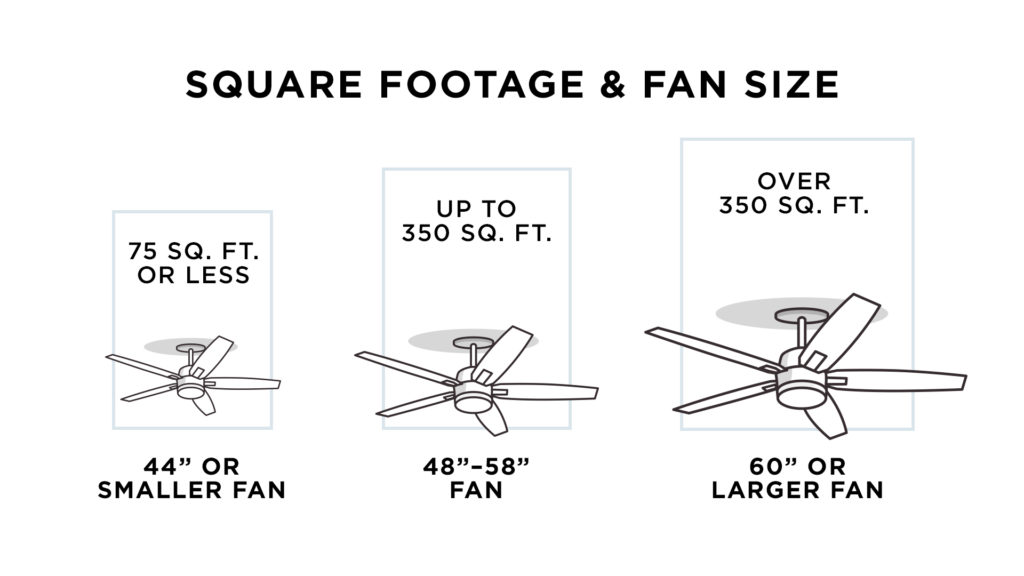
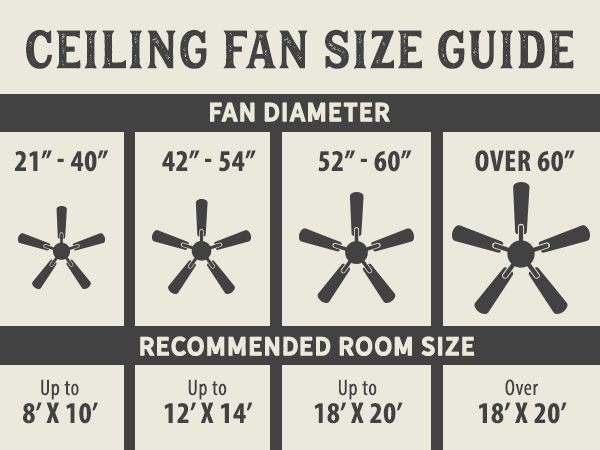
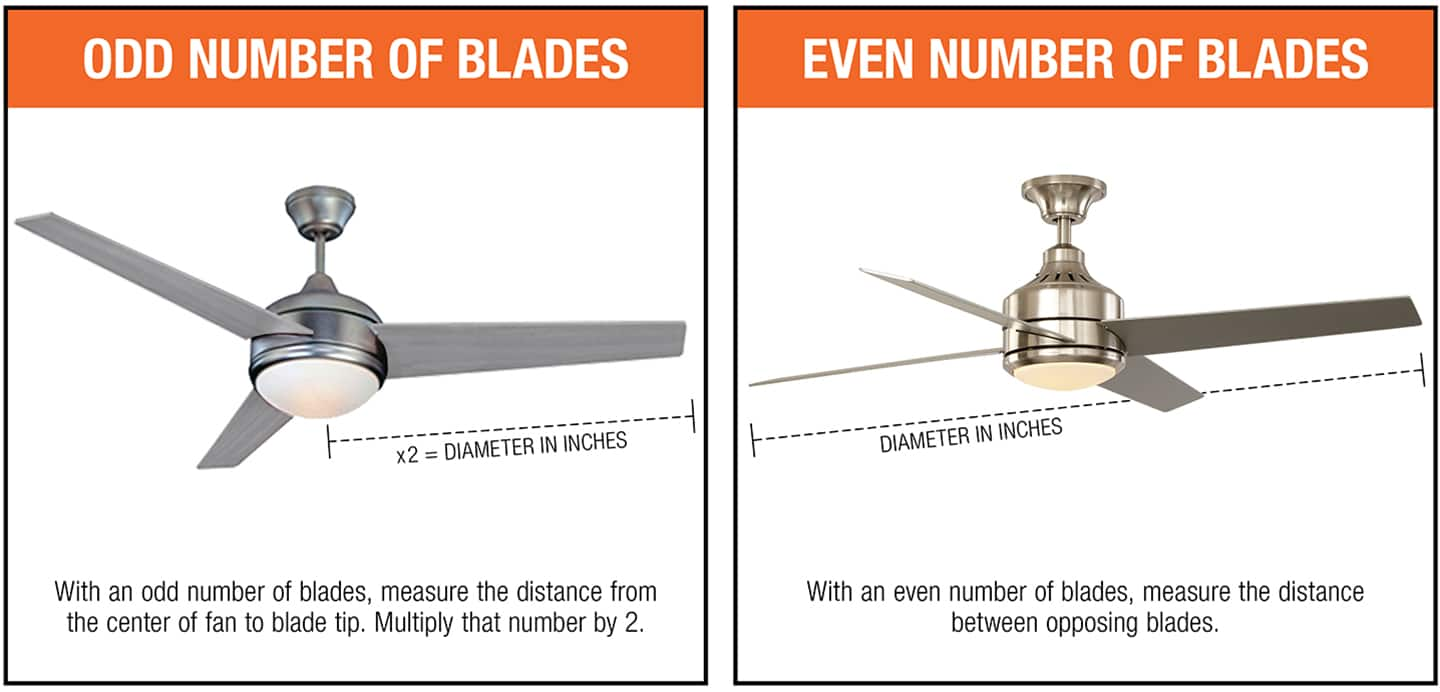
When it comes to measuring fan size, it largely depends on the type of fan. For most portable fans like desk fans, table fans, or pedestal fans, the stated size typically refers to the diameter of the fan's protective grille, which roughly corresponds to the diameter of the fan blades inside. So, a "12-inch fan" usually means the circular housing is 12 inches across. For tower fans, which are vertical and slender, their "size" is generally indicated by their height, as this impacts their coverage area. Now, for the majestic ceiling fan, measuring is a little different. Here, you're looking for the blade span. To measure this, you typically take the distance from the center of the fan to the tip of one blade, and then multiply that measurement by two. Alternatively, you can measure from the tip of one blade to the tip of the opposing blade, passing through the fan's center. This blade span is crucial for matching the fan to your room size, ensuring optimal air movement. While physical size gives you a good idea, remember that a fan's true effectiveness is also determined by its Cubic Feet per Minute (CFM) rating, which indicates how much air it moves – a higher CFM generally means more airflow.
To truly enjoy your fan more effectively, consider these practical tips. First, match the fan size to your room size; a small desk fan won't effectively cool a large living room. Second, think about placement: placing a fan near an open window can draw in cool outside air, or positioning it to create a cross-breeze can amplify its effects. For ceiling fans, ensure the blades are set to spin counter-clockwise in summer to push air down, and clockwise in winter to gently lift warm air. Regularly cleaning the blades and grilles of any fan is also crucial; dust buildup significantly reduces efficiency. Lastly, don't be afraid to experiment with different fan types – a powerful box fan might be great for ventilating a workshop, while a quiet tower fan is perfect for a bedroom. By understanding how fans are measured and applying a few smart strategies, you can transform your space into a perfectly breezy haven.