Hey there, curious friend! Ever flick on your stove or crank up the heat and wonder, "How on Earth does natural gas actually... get made?" Well, buckle up, because we're about to dive into one of Earth's coolest, albeit slowest, culinary projects. Spoiler alert: it's not made in a factory by tiny gnomes in hard hats. It's much more epic!
First off, let's clear up a common misconception: we don't "make" natural gas in the way you'd bake a cake or build a LEGO castle. Nope, not even close. Natural gas is one of Earth's ancient, glorious, and incredibly patient creations. Think of it less like a human manufacturing process and more like a secret recipe that's been cooking for a few million years. Talk about slow food!
The Ingredients: Tiny Critters and Earth's Leftovers
So, what exactly went into this geological masterpiece? Believe it or not, the main ingredients are super tiny organisms that lived zillions of years ago. We're talking about microscopic marine plants and animals – things like algae and plankton – that lived their best lives swimming around in ancient oceans and lakes. When they shuffled off this mortal coil (a very, *very* long time ago), they sank to the bottom.
Along with these little guys, you had a constant shower of sediment: think mud, sand, and other organic bits. So, imagine a giant, ancient seabed slowly accumulating layers and layers of dead plankton, algae, and muddy gunk. Not exactly appetizing, but crucial for our story!
The Earth's Pressure Cooker: Heat and Squeeze!
Now, here's where the magic really starts. Over millions and millions of years – seriously, we're talking about timescales that make your grandma's "back in my day" stories sound like yesterday – these layers kept piling up. As more and more sediment accumulated, it created immense pressure on the layers below. It's like stacking a thousand mattresses on top of a single pea... but way, *way* heavier.
This immense pressure, combined with the heat from Earth's core (because the deeper you go, the hotter it gets!), started to work its wonders. It's essentially the planet's very own, super-slow-motion pressure cooker. This isn't your Instant Pot; this is the "Instant-Pot-that-takes-millions-of-years-but-makes-something-amazing"!
The heat and pressure literally broke down those organic materials. The process is called thermal cracking, which sounds a bit scary, but it's just a fancy way of saying those ancient critters got cooked and squeezed until their chemical structure changed. They transformed from squishy organic matter into various hydrocarbons.
From Gunk to Gas: Methane Takes the Stage
Among these hydrocarbons, the star of our show emerged: methane. Methane (CH₄) is the primary component of natural gas. It's a simple molecule, but incredibly energy-rich. As this methane formed, it didn't just stay put. Oh no, it's a bit of an escape artist!
The gas, being lighter than the surrounding rock and water, started to migrate upwards, looking for a way out. But sometimes, it would hit a layer of impenetrable rock, like a cap. Imagine a giant, underground rock ceiling. When this happened, the natural gas got trapped, accumulating in porous rock formations. These underground "reservoirs" are where we find it today!
Digging It Up: How We Get Our Hands On It
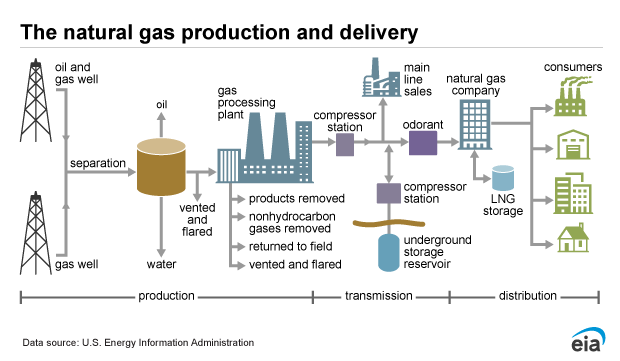
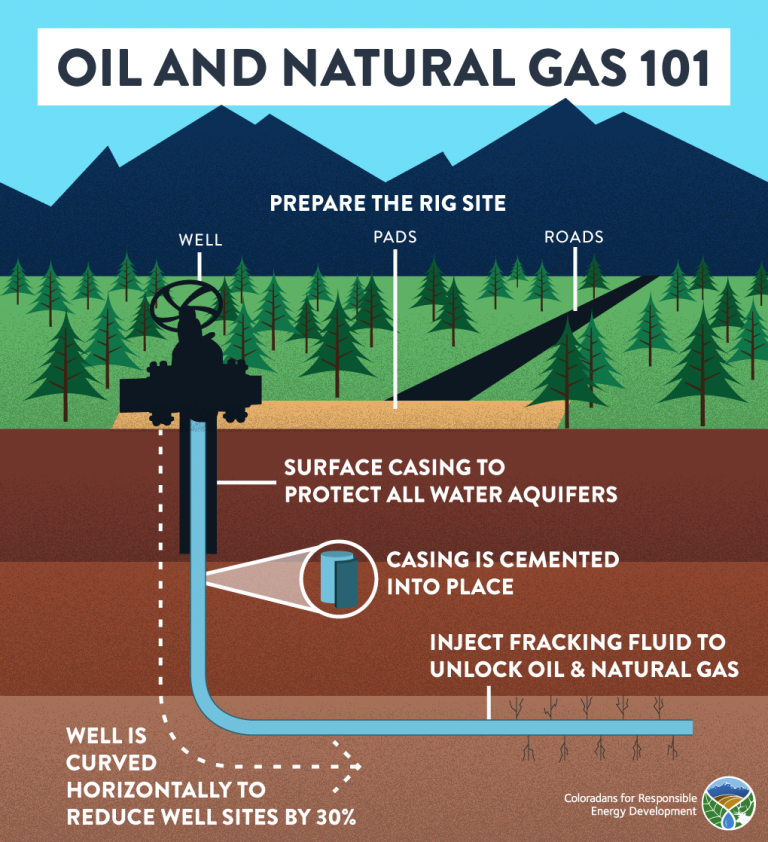
So, after eons of Earth's slow-cooker process, we finally have natural gas patiently waiting. How do we get it? Well, that's where modern technology comes in! Geologists use sophisticated tools to find these hidden underground pockets. Once a reservoir is identified, we drill wells down into the Earth, sometimes miles deep, to tap into these gas traps.
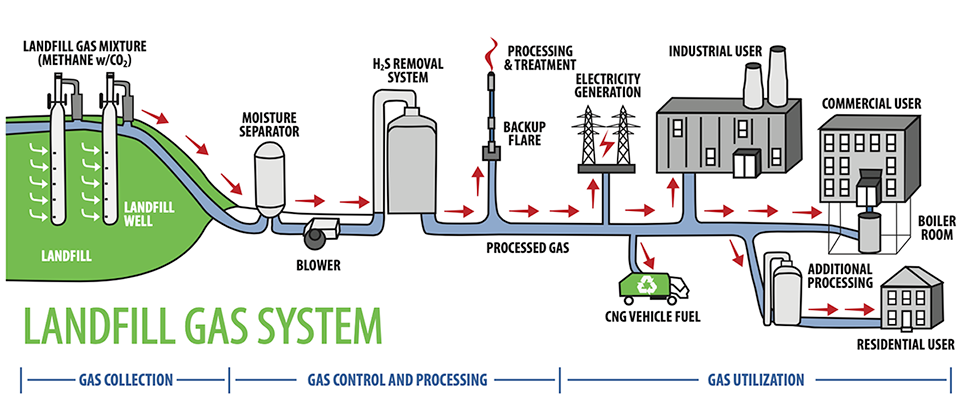
The gas then flows up the well (sometimes with a little help from pumps) and is processed to remove impurities. After that, it's sent through pipelines right to your homes and businesses. Pretty neat, huh? From ancient plankton to your cozy warm home, it's quite the journey!
The Earth's Enduring Gift
So, next time you marvel at the efficiency of natural gas powering your daily life, take a moment to appreciate the incredible, patient, and utterly mind-boggling processes that took place deep within our planet for millions of years. It’s a powerful reminder that some of the most amazing things aren't "made" by us at all, but are precious gifts from the Earth itself.
It's a testament to the fact that even the tiniest organisms, given enough time, heat, and pressure, can create something truly extraordinary. So, here's to ancient plankton, patient geology, and the warmth that brightens our days. Keep shining, you magnificent creatures!