Ever gazed up at a sunny sky and thought, "Man, I wish I could just bottle that energy?" Well, guess what? We kind of can! Tapping into the sun's endless power isn't some futuristic fantasy anymore; it's a wonderfully accessible reality for homeowners like you. Let's peel back the layers and discover how you can bring a little bit of that stellar magic right onto your roof.
Catching Rays: The Magic of Solar Panels
At its heart, getting solar energy is about one key player: the solar panel. These sleek, dark rectangles aren't just for show; they're incredibly sophisticated pieces of tech. Think of them as your home's personal sun-catchers.
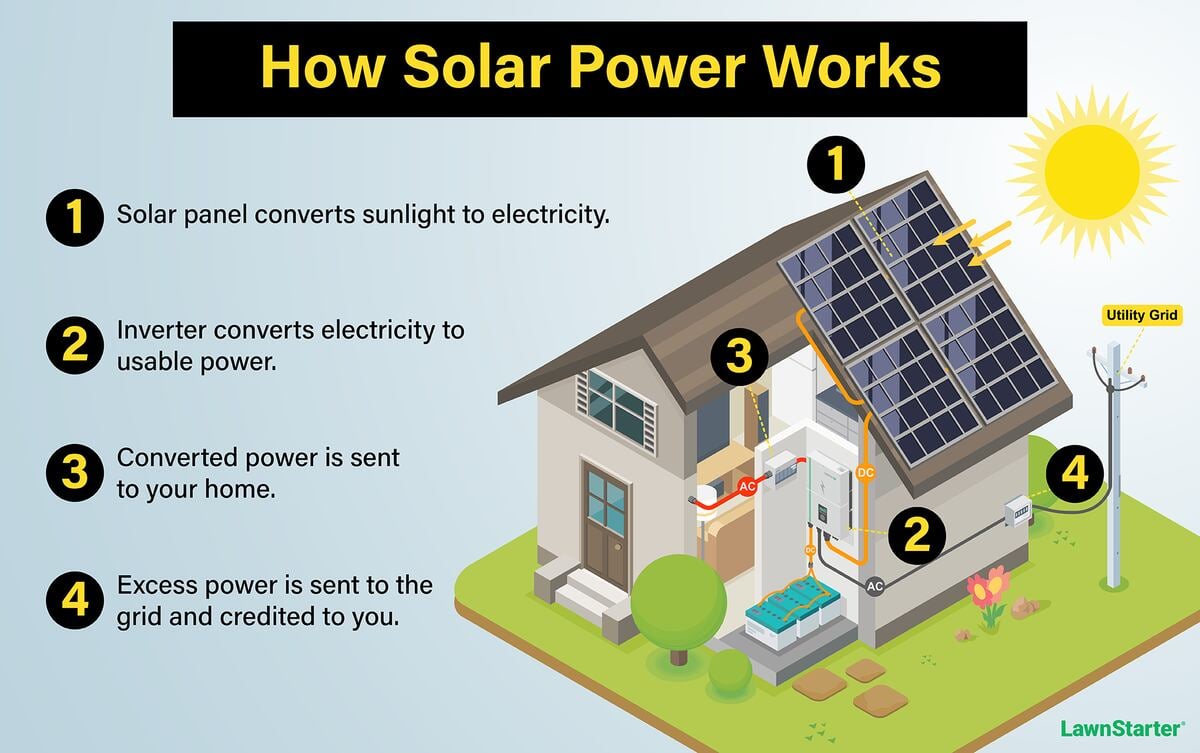
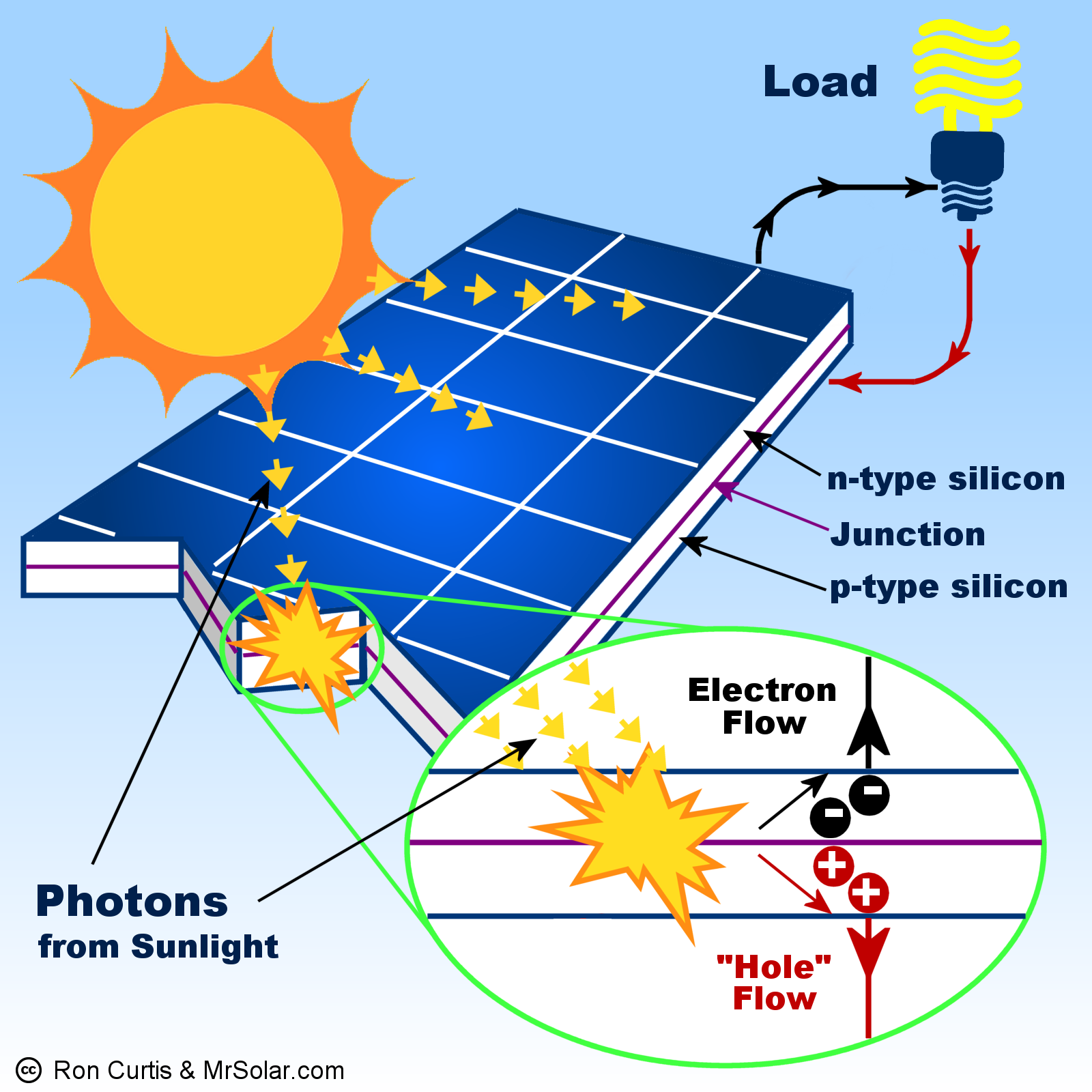
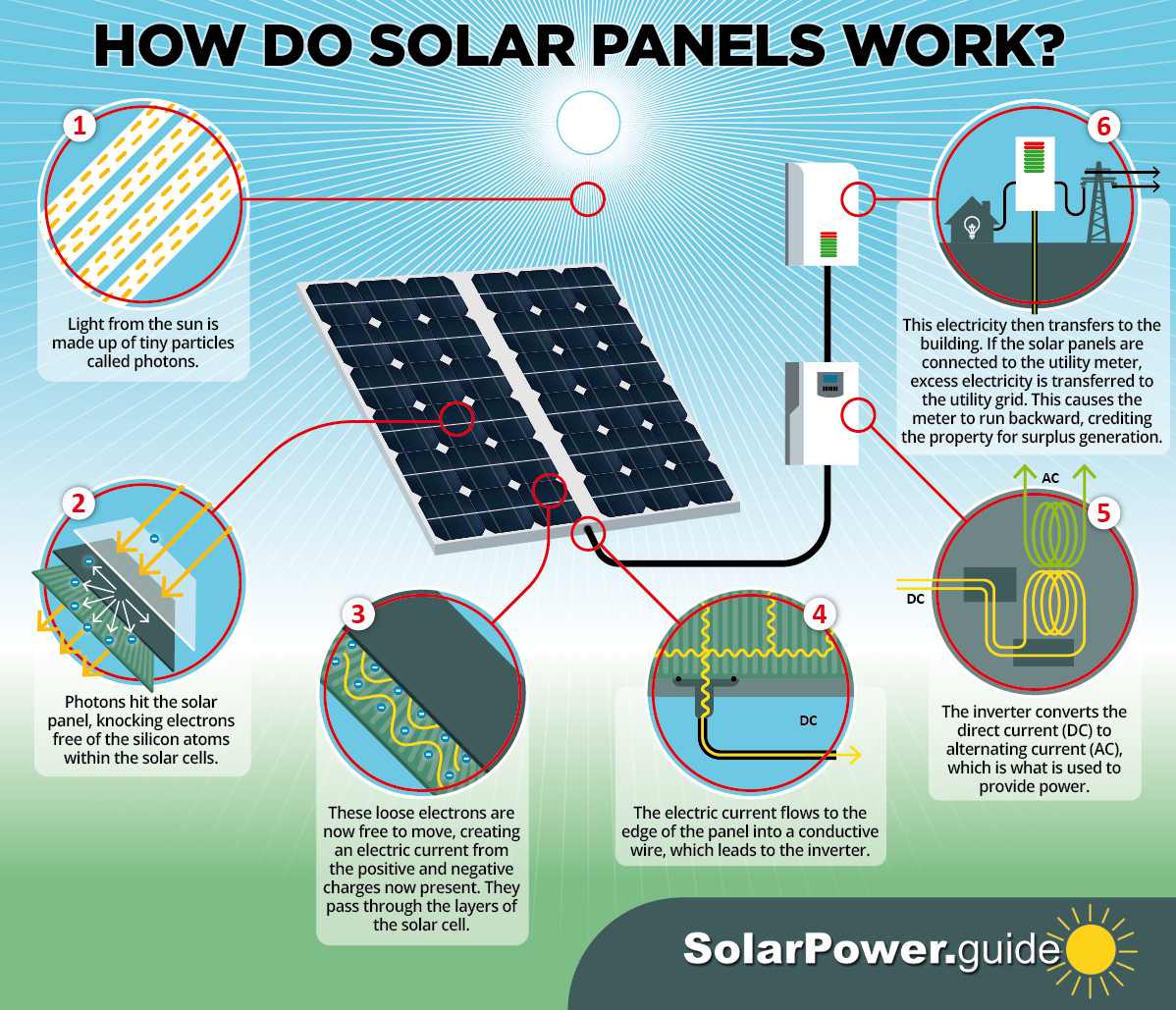
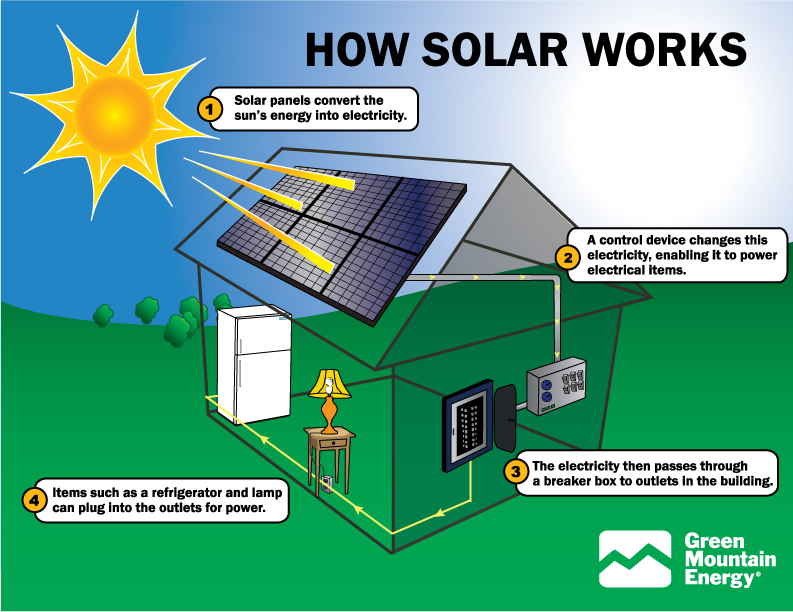
When sunlight (specifically, photons) hits the silicon cells within a solar panel, it creates an exciting little dance of electrons. This phenomenon is called the photovoltaic effect. Essentially, the sun's energy kicks these electrons free, making them move and, voila, we get direct current (DC) electricity. It’s like a tiny, silent power plant working tirelessly on your roof.
Fun Fact: Solar panels were first developed to power satellites in space! So, your roof could literally be rocketing into the future, energy-wise.
The Essential Gear: Beyond Just Panels
While panels are the stars, they don't work alone. Getting solar energy means assembling a savvy team of components:
- Solar Panels: Of course! These convert sunlight into DC electricity.
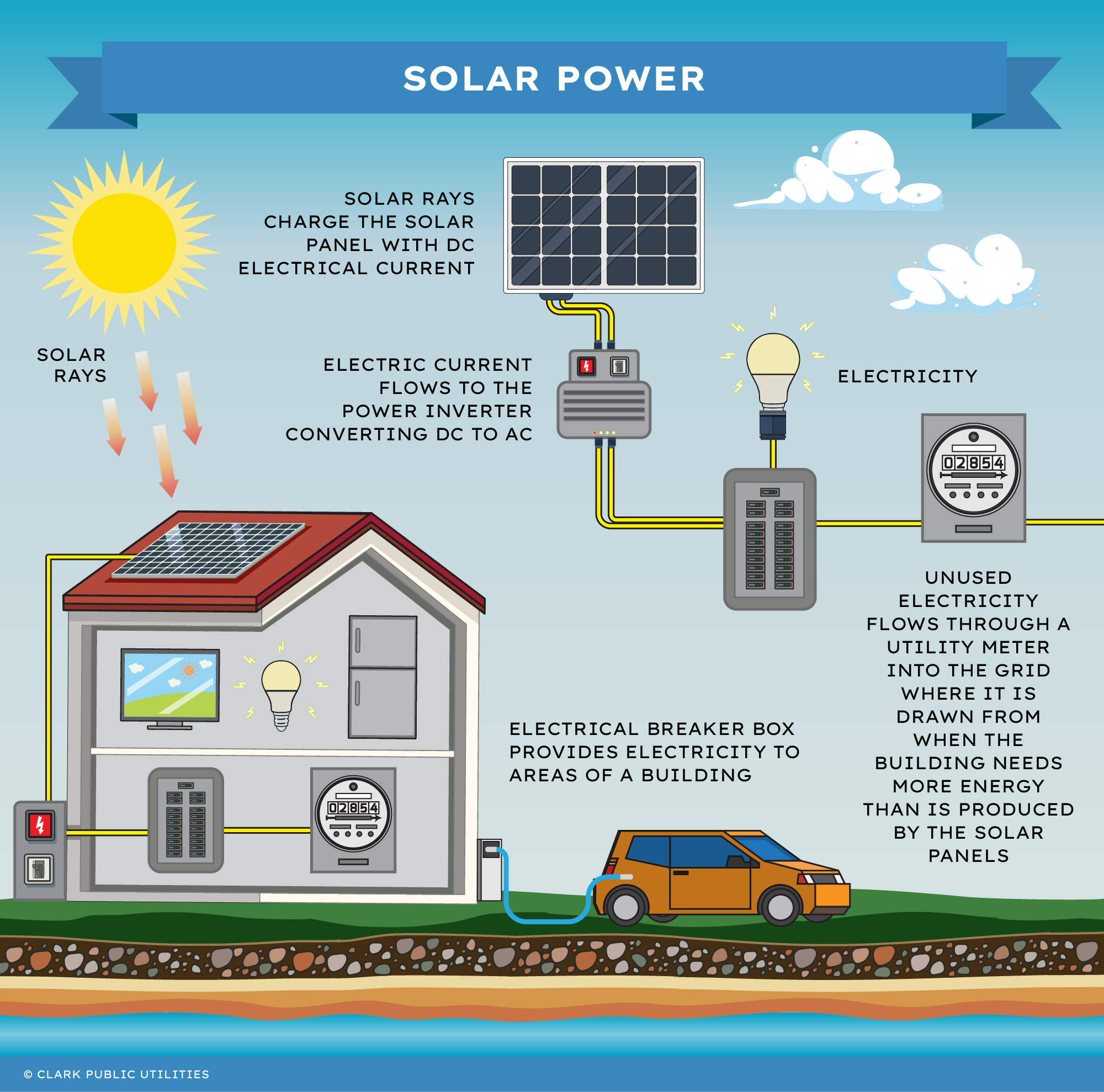
- The Inverter: This is the translator of your solar system. Most home appliances run on alternating current (AC) electricity. The inverter takes that DC power from your panels and elegantly converts it into AC power, making it usable throughout your home. Some modern systems use microinverters for each panel, optimizing performance even if one panel gets shaded.
- Mounting System: These are the sturdy frames that securely attach your panels to your roof. They're designed to withstand the elements, ensuring your sun-catchers stay put, come rain or shine (or even light snow!).
- Wiring: Connects everything up, routing the power from your panels to the inverter and then into your home’s electrical system.
- (Optional) Battery Storage: Want to keep some of that sunshine for a rainy day, or more likely, for a cloudy night? A solar battery acts like an energy piggy bank, storing excess power generated during the day for you to use later. It’s perfect for maximizing your self-sufficiency and offering backup during power outages. Think of it as charging your phone, but for your whole house!
The Journey to Your Roof: Installation Simplified
So, you’re ready to bring the sun home? Here’s a peek at the process:
1. The Initial Consultation: An expert will visit (or do a virtual assessment) to check your roof's suitability. They'll look at its size, angle, and most importantly, how much direct sunlight it gets throughout the day. Shading is the enemy of efficiency!
2. Custom Design: Based on your energy needs and your home's specifics, a system will be designed just for you. This includes panel layout, inverter type, and any battery storage.
3. Permitting & Paperwork: Your solar installer handles all the necessary permits and ensures your system complies with local regulations. It's a bit like getting a building permit for a very cool, very green extension.
4. Installation Day: Professionals will install the mounting system, then carefully place and wire the solar panels. The inverter is usually installed near your main electrical panel. It's surprisingly quick and efficient!
5. Inspection & Grid Connection: After installation, a local authority will inspect the system to ensure everything is up to code. Once approved, your utility company will connect your solar system to the electrical grid. This is where net metering comes in – if your panels produce more electricity than you use, the excess is sent back to the grid, and you might even get credits!
Practical Pointers & Sunshine Wisdom
- Find a Reputable Installer: This is key! Look for experienced, certified professionals with good reviews. Ask for references, just like you would for any major home renovation.
- Understand Incentives: Many regions offer fantastic incentives like tax credits, rebates, or performance-based payments that can significantly reduce the upfront cost. Do your homework!
- Maintenance is Minimal: Solar panels are built tough (most come with a 25-year performance warranty!). Generally, they just need an occasional rinse to remove dust or debris, and perhaps an annual check-up to ensure optimal performance. Rain often does most of the cleaning for you!
- Consider Your Energy Usage: Understanding your daily electricity consumption helps in designing a system that truly meets your needs, whether it's powering your morning coffee ritual or charging your electric vehicle.
Your Personal Ray of Sunshine
Ultimately, getting solar energy is more than just installing panels; it's about embracing a smarter, more sustainable way of living. It's about taking control of your energy future, reducing your carbon footprint, and potentially saving a bundle on those monthly utility bills.
Imagine the satisfaction of knowing your lights, your fridge, your favorite streaming show, are all powered by the very same sun that warms your face. It's a feeling of empowerment, a quiet nod to innovation, and a vibrant step towards a brighter, greener tomorrow, right from your own backyard (or rooftop!). That's the kind of daily connection we can all get behind.