Okay, so picture this: Last month, my internet decided to take a spontaneous, unannounced vacation. For a whole day. And honestly, after the initial frantic refreshing and the existential dread of being disconnected from cute cat videos, something weird happened. I actually… relaxed. I read a book, I went for a walk without my phone surgically attached to my hand, and I even made a real, proper dinner instead of ordering takeout. It was a bizarre taste of freedom, a tiny peek behind the curtain of constant connectivity and reliance on systems I barely understand.
And that, my friends, got me thinking. If a single day of forced disconnect felt so surprisingly good, what about something more permanent? What about getting off the grid entirely? It sounds like something out of a wilderness survival show or a dystopian novel, right? But what does it actually *mean*, and more importantly, how the heck do you even do it?
What Even Is "Off The Grid," Anyway?
Before we dive deep, let's clarify. "Off the grid" isn't just about not having Wi-Fi, though that's often a side effect. It generally refers to living autonomously, without reliance on public utilities like the electrical grid, municipal water, or sewage systems. Think self-sufficiency. It's about generating your own power, finding your own water, and managing your own waste. Sounds a bit intense, eh?
But here's the kicker: it’s not an all-or-nothing deal. Some people go full pioneer, others just want to cut ties with their power company. It's a spectrum, and you can pick your level of unplugging.
The Big Whys: Why Would Anyone Do This?
Good question! There are a bunch of reasons people choose this path, and they're usually pretty compelling:
- Freedom! No more utility bills that make your eyes water. No more being dictated by power outages or water main breaks. You're in charge.
- Environmental Impact: Many off-gridders are super keen on reducing their carbon footprint, using renewable energy, and living more harmoniously with nature.
- Cost Savings: While the initial setup can be pricey, long-term, you're saving a bundle on monthly bills.
- Preparedness: For some, it’s about being ready for anything – natural disasters, economic downturns, or just the apocalypse (kidding... mostly).
- Peace & Quiet: Escaping the rat race, finding solitude, and living a simpler life. Sounds pretty dreamy, doesn't it?
So, How Do You Actually Do It? (The Nitty-Gritty)
This is where the rubber meets the road, folks. It’s not just about packing a bag and finding a remote cabin (though that helps!). It involves some serious planning and investment in key areas:
1. Power Up (or Down?)
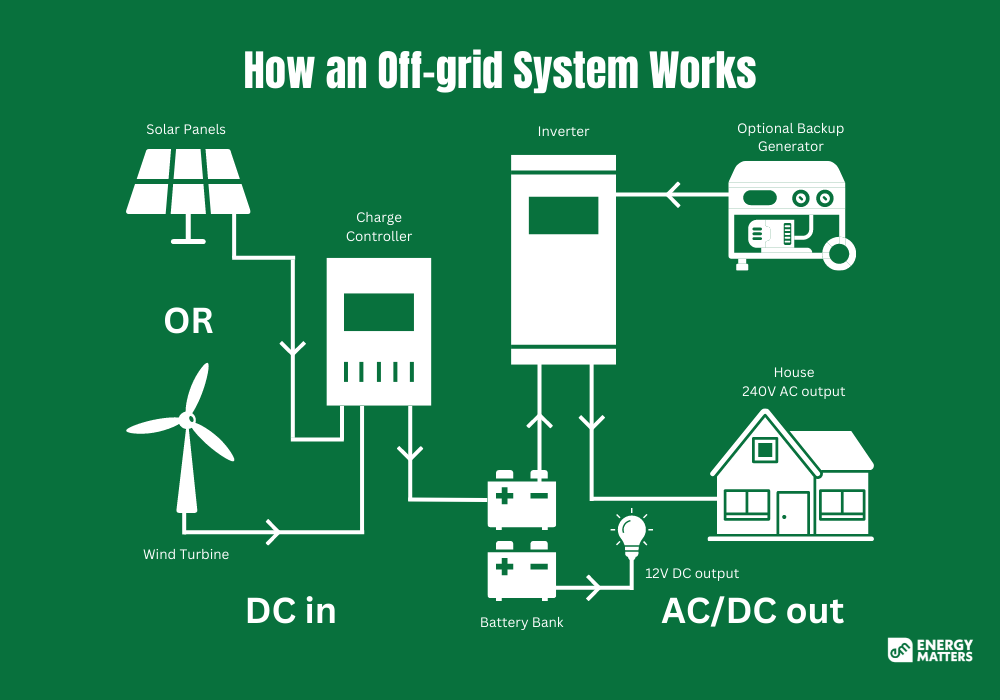
This is usually the first thing people think of. Goodbye power lines, hello solar panels! Solar is the most common, but wind turbines and even micro-hydro systems (if you have a flowing water source) are also options. You’ll need a way to store that power, too, which means a good battery bank. This isn't just about powering your phone; it's about keeping your lights on, your fridge cold, and maybe even running a washing machine.
2. Water, Water, Everywhere... Hopefully
You need a reliable source. A well is a classic choice, but rainwater harvesting is also incredibly popular. This involves collecting rain from your roof and storing it in cisterns. Then, of course, you need a filtration and purification system to make sure it's safe to drink. Because, you know, giardia is not part of the off-grid dream.
3. Waste Not, Want Not (Including Human Waste)
This is often the part that makes people squirm. No flush toilet to whisk things away? Yup. Composting toilets are a popular solution, turning human waste into usable compost. For greywater (water from sinks and showers), you can often use simple filtration systems to reuse it for irrigation. And anything else, well, you'll need a robust recycling and composting program.
4. Grow Your Own Goodies
While not strictly *required* to be off-grid, growing your own food is a huge part of the self-sufficiency ethos. We're talking extensive gardens, maybe some chickens for eggs, and learning food preservation techniques like canning, dehydrating, or root cellaring. Imagine never having to battle for the last avocado at the grocery store again!
5. Shelter & Location
You need land, obviously. And usually, land that’s not under strict zoning laws that might prohibit alternative energy or building methods. Many off-gridders opt for tiny homes, yurts, earthships, or custom-built cabins designed for efficiency. Location is key – sunshine for solar, maybe a breezy spot for wind, and definitely a place where you *want* to live.
It's Not Just About Stuff, It's About Mindset
Here’s the thing that often gets overlooked: getting off the grid isn't just about installing panels and digging a well. It’s a mindset shift. It requires resilience, resourcefulness, and a willingness to learn new skills – plumbing, carpentry, gardening, electrical work, troubleshooting. You become a jack-of-all-trades, a problem-solver extraordinaire. It's about being present and connected to your environment in a way modern life rarely allows.
So, is getting off the grid for you? Maybe you just want to add a few solar panels to your existing home, or maybe you dream of a full-blown wilderness retreat. Either way, the journey towards greater self-sufficiency is a fascinating one, full of challenges, triumphs, and a whole lot of learning. And who knows, you might even find yourself enjoying a quiet day without the internet, just like I did. Seriously.