Ever walked into a room on a scorching day and felt that immediate urge to make it cooler? It’s a universal experience, isn't it? Whether you’re trying to concentrate on work, get a good night's sleep, or simply relax, a hot room can be a real buzzkill. But have you ever stopped to wonder, really wonder, about the science and simple tricks behind bringing that temperature down? It’s a surprisingly fascinating topic, blending basic physics with everyday practicality, and understanding it can make your living spaces much more comfortable.
The core purpose of cooling down a room is, quite simply, to enhance our comfort and well-being. When we're too hot, our bodies struggle to regulate temperature, leading to discomfort, fatigue, and even health risks like heat exhaustion. By actively managing a room's temperature, we achieve several key benefits: better sleep quality, increased productivity (it's hard to focus when you're sweating!), and improved mood. It’s about creating an optimal environment where you can thrive, not just survive the heat. Beyond personal comfort, smart cooling strategies can also lead to significant energy savings, reducing your carbon footprint and your utility bills.
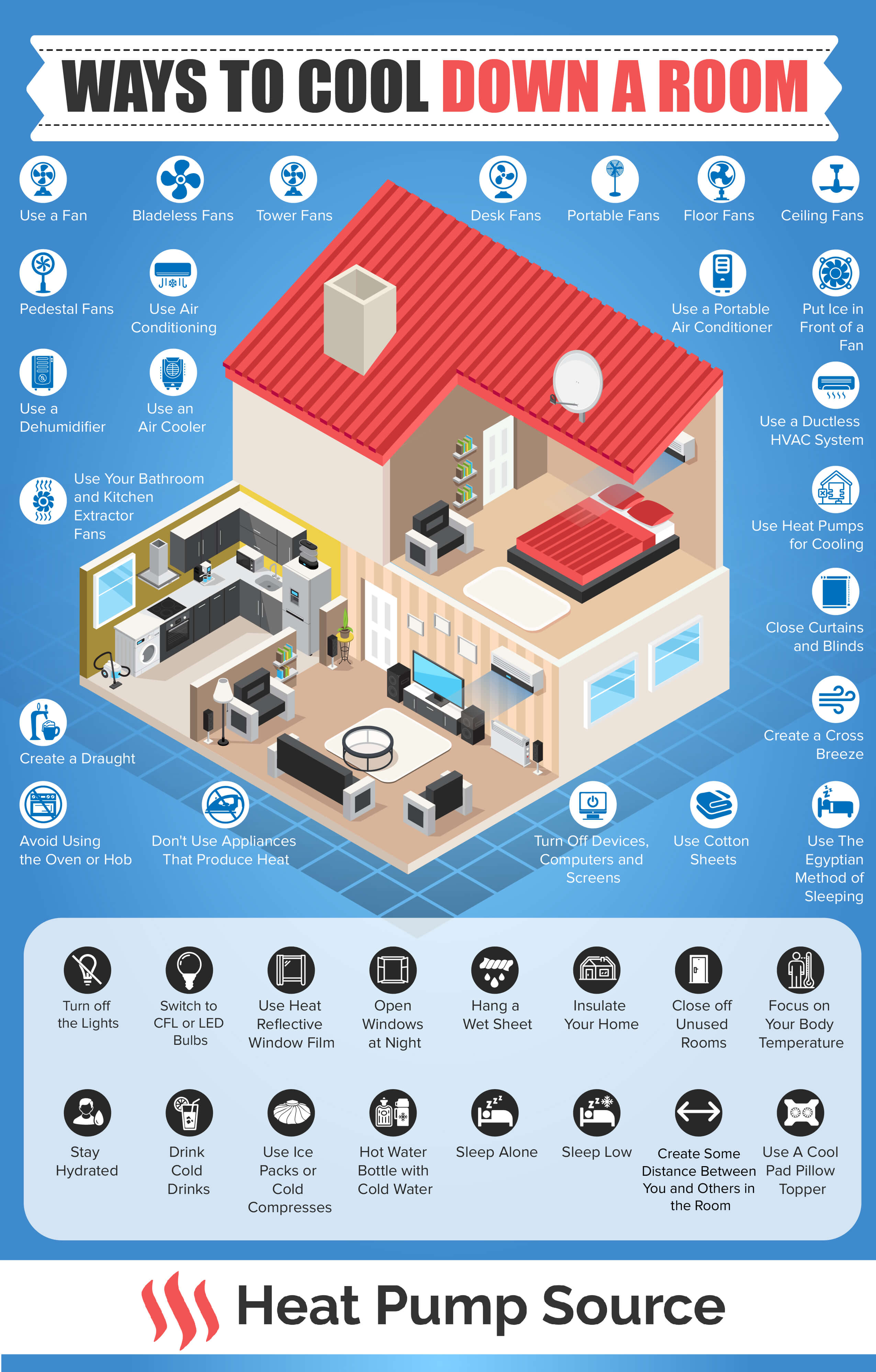
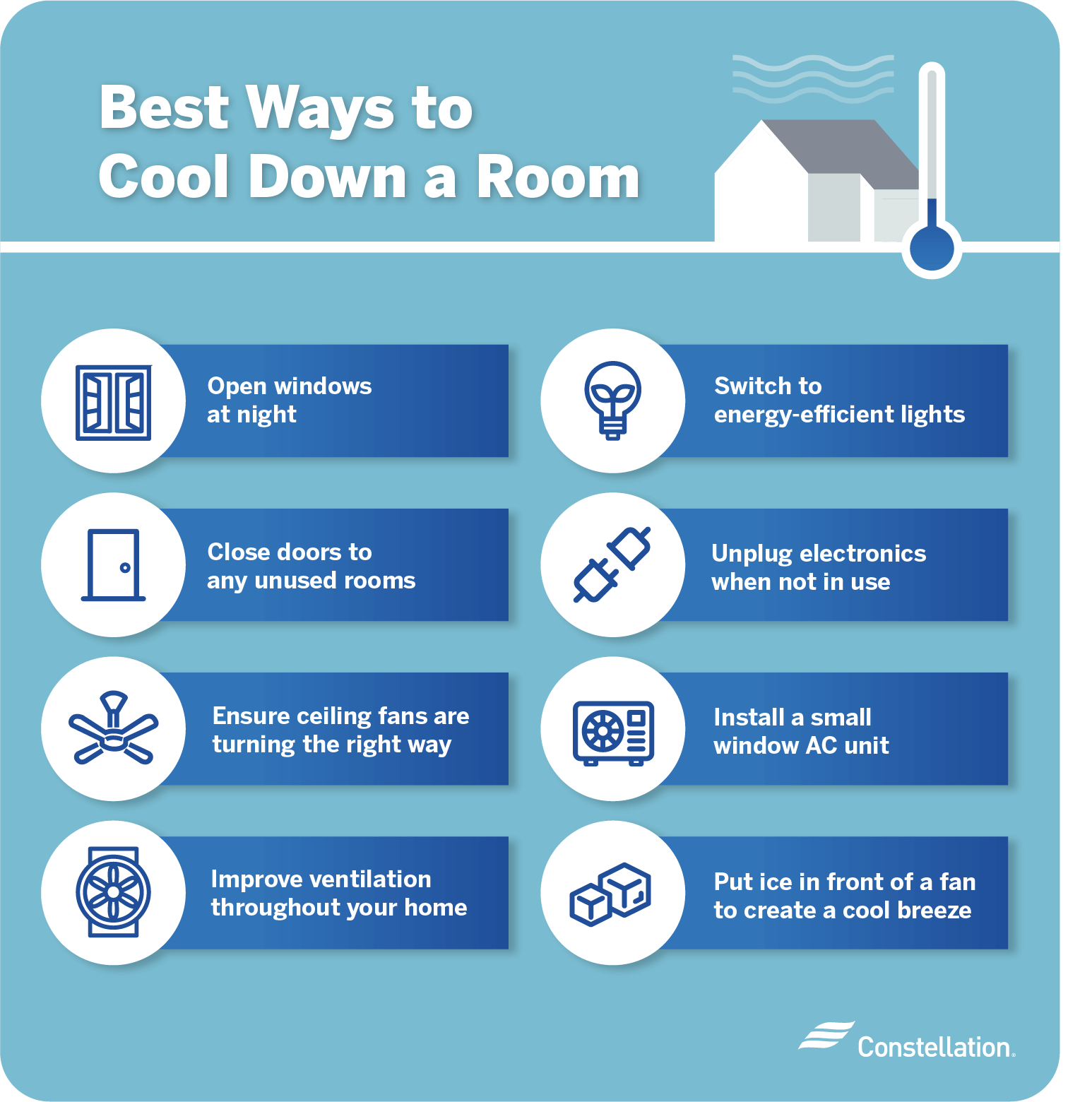
This isn't just theory; it's something we encounter daily and can even learn from in educational contexts. In our daily lives, we intuitively use many methods: opening windows for a cross-breeze, drawing curtains to block direct sunlight, or switching on a fan. Maybe you've even put a bowl of ice in front of a fan for a quick chill – that's evaporative cooling in action! In a more formal setting, this topic touches upon fundamental science principles. Kids in school might learn about heat transfer through conduction (touching a cold surface), convection (air currents moving heat), and radiation (sunlight warming a room). Architects study passive cooling designs, like strategically placed windows or building materials that reflect heat, to naturally keep buildings comfortable without relying heavily on air conditioning. It's a blend of ancient wisdom and modern technology.
Ready to become a master of your room’s climate? Here are some simple, practical tips to explore. First, embrace the power of ventilation. Open windows on opposite sides of a room to create a powerful airflow, especially in the evening when outside air is cooler. Next, block out the sun: keep curtains or blinds closed during the hottest parts of the day, particularly on south and west-facing windows. This prevents solar radiation from heating your space. Consider using a ceiling fan; they don't cool the air itself, but they create a wind-chill effect on your skin, making you feel cooler. For a quick hack, turn off heat-generating electronics when not in use – even small appliances contribute to a room's overall temperature. For a truly hands-on experiment, try placing a thermometer in different spots around your room throughout the day, observing how factors like sunlight and ventilation affect the readings. You'll quickly discover that cooling a room isn't just about cranking up the AC; it's an intelligent dance with physics, one that’s both effective and endlessly interesting.