Ever wonder how we actually find all that ancient gooey stuff that powers our cars and heats our homes? It’s not like there’s a giant "OIL HERE!" sign underground, right? Well, buckle up, because finding fossil fuels is a seriously cool, high-stakes treasure hunt, and it’s way more fun than you might think!
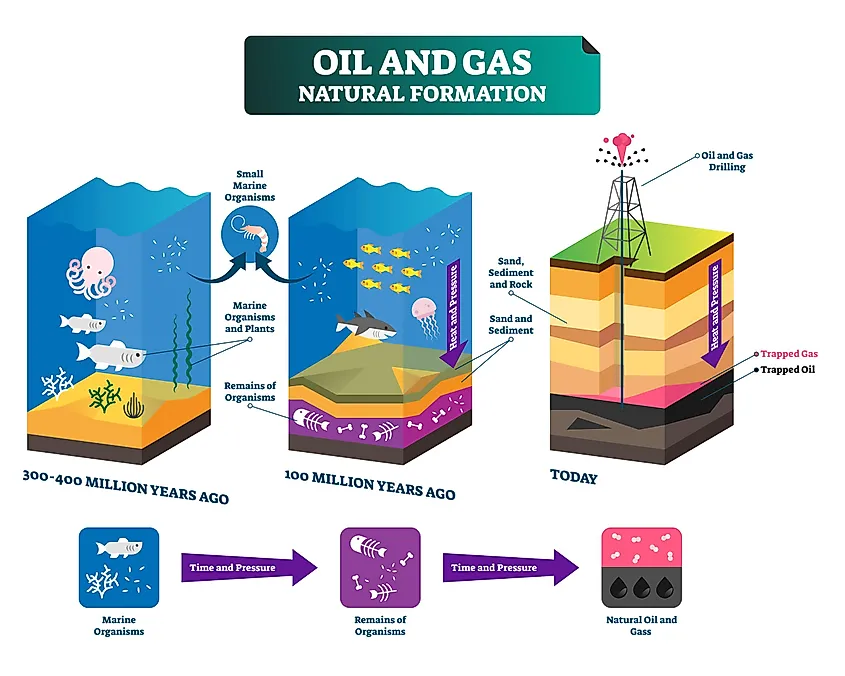
First off, what are we even looking for? We're talking about fossil fuels – oil, natural gas, coal. These are basically the squashed, super-cooked remnants of ancient plants and tiny marine critters that died millions of years ago. We're talking serious prehistoric goo. Over eons, layers of earth pressed down, temperatures rose, and presto! You get dense, energy-rich carbon compounds. Sounds a bit gross, but it's pure energy gold!
The Old School Way: Pure Luck!
Back in the day, finding oil was less science, more cosmic lottery. People literally just *saw* it! Oil would naturally seep out of the ground in places, bubbling up like some swamp monster’s bathwater. These were called oil seeps. If you were lucky enough to stumble upon one, you'd be yelling "Black Gold!" and probably attracting a whole crowd.
Then came the "drill here, hope for the best" era. Wildcatters, with more grit than geological knowledge, would just pick a spot and start drilling. You can imagine how many expensive dry holes they dug. It was a true gamble, but every now and then, someone struck it rich!
Enter the Rock Whisperers: Geologists!
Fast forward to today, and we've gotten a tad more sophisticated. We don't just randomly poke holes anymore. The first step involves actual detectives, but for rocks! These are geologists. They’re like Earth’s personal historians, reading the story written in layers of rock.
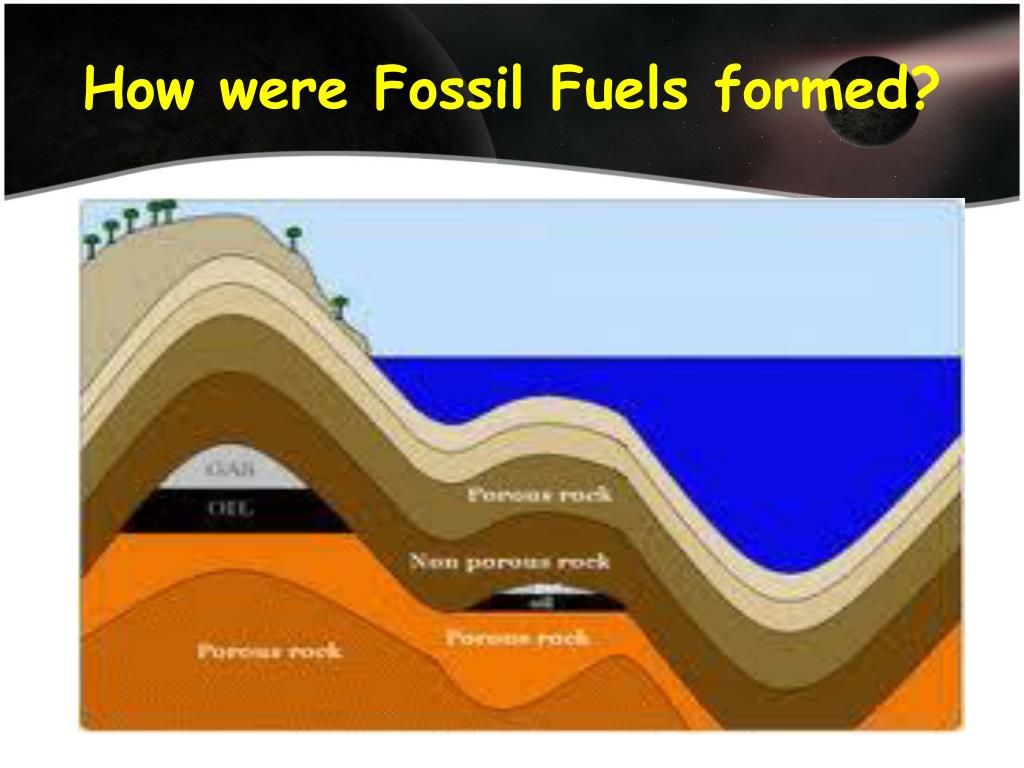
They study ancient environments, figuring out where all that organic matter (the stuff that turns into oil and gas) might have settled and gotten trapped. They look for specific rock formations – like underground domes or faults – that act as perfect containers, trapping the oil and gas so it doesn't just float away. It's all about understanding the deep, deep past to predict the hidden present.
Shaking Things Up! (Literally)
Okay, this is where it gets really wild and sounds straight out of a sci-fi movie: seismic surveys! Imagine sending a massive, controlled earthquake into the ground, and then listening for the echoes. Seriously!
On land, huge specialized trucks, sometimes called "thumper trucks," have giant plates underneath. They literally thump the ground, sending powerful sound waves deep, deep down. You can feel the ground vibrate for miles around! Under the ocean, ships use special airguns that release bursts of compressed air, creating powerful sound waves.
These sound waves travel through the Earth, bouncing off different layers of rock. Think of it like a bat using echolocation, or a doctor doing an ultrasound, but on a gigantic scale! We’re essentially getting an ultrasound of the Earth’s crust!
Special microphones, called geophones on land and hydrophones in water, listen for these returning echoes. The time it takes for the sound to bounce back, and the way it changes, tells geologists a phenomenal amount about what's thousands of feet below. They can create a detailed, 3D map of the subsurface, highlighting potential traps where oil and gas might be hiding. It’s absolutely mind-blowing!
Other Cool Tricks Up Our Sleeves
Before the seismic fancy-pants stuff, or to complement it, scientists might use other cool methods. We're talking gravity surveys: different rock types have different densities, which subtly affects the local gravitational pull. Specialized instruments can detect these tiny variations, helping to paint a picture of the underground structure.
Then there are magnetic surveys: some rocks are more magnetic than others. By flying planes with magnetometers, scientists can map variations in the Earth's magnetic field, again giving clues about the hidden geology. It’s all about gathering as much puzzle-piece information as possible before making that final, incredibly expensive decision.
The Moment of Truth: Drilling!
Once all the geological detective work is done, the seismic maps analyzed, and all the data points to a highly promising spot, then – and only then – do we actually drill. This is the big moment. The make-or-break part of the whole operation. It’s like drilling a tiny straw thousands of feet down into the Earth’s crust.
They pull up core samples – actual cylindrical pieces of rock from deep underground. It’s like an archaeological dig, but for ancient energy! These samples give direct evidence of the rock types, fluid content, and whether their predictions were right. If they hit the jackpot? Party time! If not? Well, it’s back to the drawing board, or perhaps another promising spot in the vast, hidden underground.
Why It's Just So Fun!
Finding fossil fuels isn't just about big machinery and engineering; it's a colossal blend of historical geology, cutting-edge physics, and a healthy dose of pure detective work. It’s a testament to human ingenuity, constantly pushing the boundaries of what we can "see" beneath our feet. It’s a truly wild, hidden world, just waiting to be explored.
So, next time you fill up your tank or flick a light switch, spare a thought for those seismic trucks thumping away, the geologists deciphering Earth's ancient secrets, and the engineers drilling into the unknown. It’s a real-life, high-tech treasure hunt, happening all around (and beneath!) us!