Okay, let's get something off our chests. We all talk about oil, we use it every single day, but how do we actually get it out of the ground? You probably imagine some super-futuristic, laser-beam-wielding operation, right? Maybe a giant robot carefully coaxing ancient dinosaur juice to the surface. Well, prepare for my slightly unpopular opinion: it's a lot less sci-fi, and a lot more... well, a bit like trying to get the last bit of ketchup out of a bottle. With a really, really long straw.
Finding the "Black Gold"
First, you have to find the stuff. You can't just randomly dig anywhere, hoping for a black gold lottery win. Or can you? Mostly, we use what are called seismic surveys. Think of it like giving the Earth a really big pat on the back and then listening intently to its burps. Scientists send sound waves deep into the ground. These waves bounce off different layers of rock. By listening to the echoes, they can map out underground structures. They're looking for rock formations that are good at trapping oil, like a giant underground bowl with a lid. It’s less "magic wand" and more "very sophisticated echolocation."
The Big Poke: Drilling
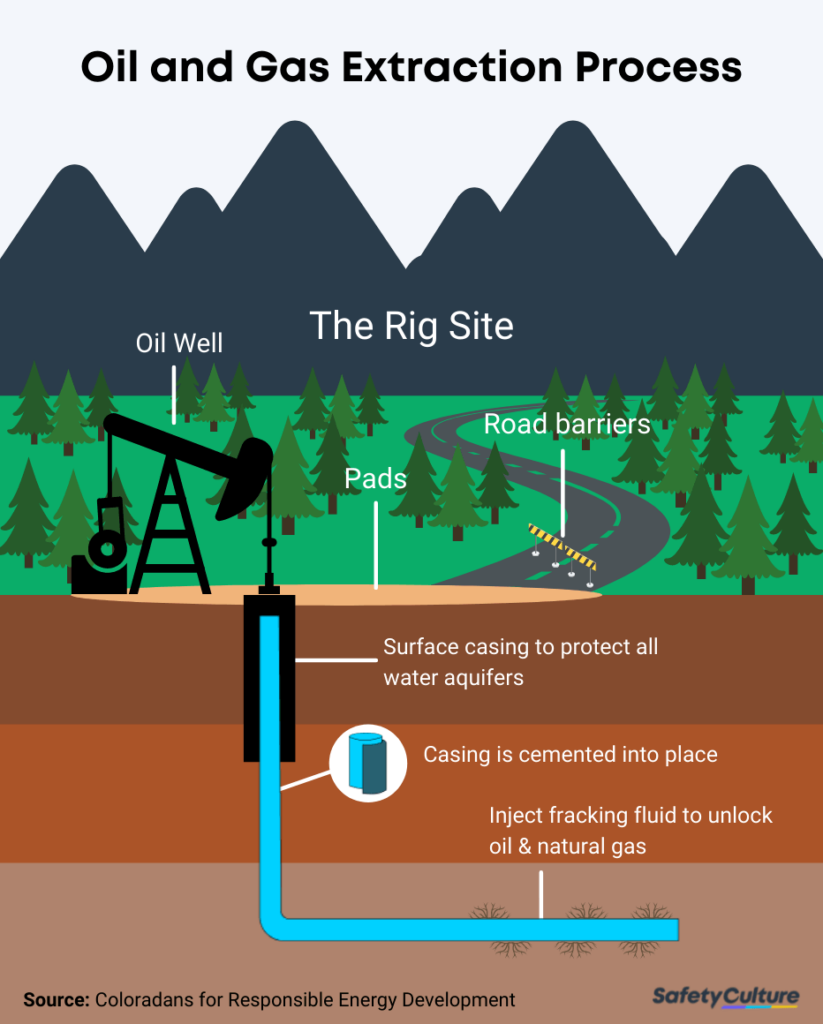
Once a promising spot is found, it's time for the big show: drilling. This is where the mighty drilling rig comes into play. And honestly, it's pretty much exactly what it sounds like. We drill a really, really deep hole. Imagine a massive, super-strong drill bit on the end of a very long pipe. It spins and grinds its way through miles of earth and rock. It's not delicate. It's not subtle. It’s brute force with a lot of engineering behind it.
"It's basically the Earth's belly button piercing, but way deeper and for oil."
We keep adding sections of pipe, one after another, pushing that drill bit deeper and deeper. Sometimes, we're talking about drilling down several miles. That's further than many mountains are tall! It’s like trying to drink a milkshake with a straw that stretches to the next town over.
The "Gusher" Myth vs. Reality
Now, Hollywood has given us this dramatic image of oil gushing out of the ground like a geyser, coating everything in black gold. The famous "gusher"! But let me share another unpopular opinion: that's actually quite rare these days. In fact, most of the time, the oil isn't in a big underground lake just waiting to burst out. It’s often trapped in tiny pores within rocks, like water in a sponge. It needs a little encouragement.
The First Squeeze: Primary Recovery
When you first hit oil, sometimes there *is* enough natural pressure to push it up to the surface. Think of it like shaking a bottle of soda and then popping the top. The gas dissolved in the oil, and sometimes water pushing from below, can do the work for us. This is called primary recovery. It's the easiest, cheapest way, and we'll happily take whatever the Earth wants to offer on its own terms. But it doesn't last forever. The fizz eventually dies down.
A Little Nudge: Secondary Recovery
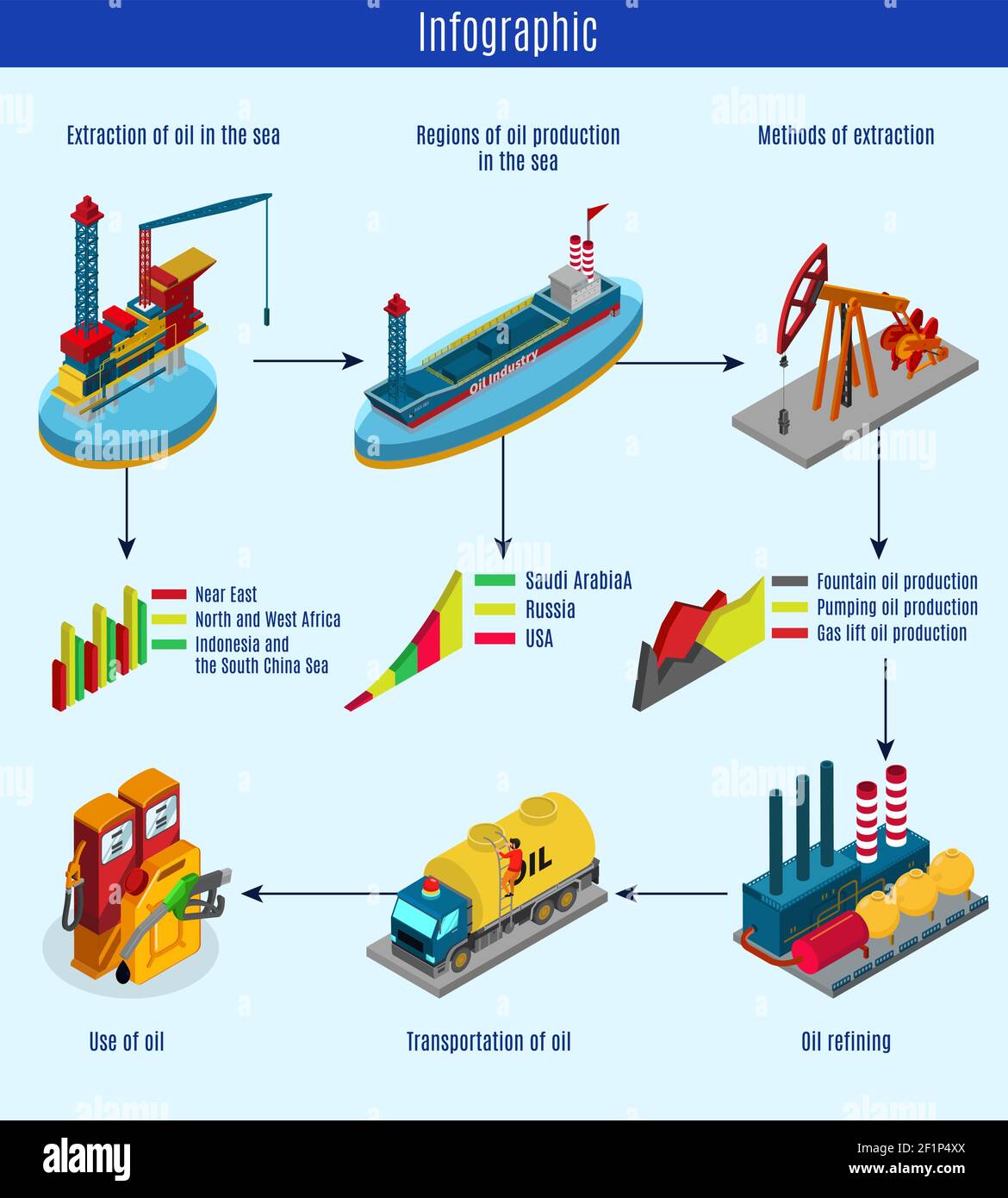
When the natural pressure wanes, we move on to secondary recovery. This is where we start getting a little more… proactive. The most common method? Waterflooding. We drill other wells nearby and pump water down into the oil-bearing rock. The water acts like a giant plunger, pushing the oil towards our production well. It's less dramatic than a gusher, but often more effective in the long run. We're essentially giving the oil a gentle but firm shove. Sometimes, we inject natural gas instead of water, doing pretty much the same job.
The Extreme Makeover: Tertiary Recovery
And then there's tertiary recovery, also known as Enhanced Oil Recovery (EOR). This is when the oil is *really* stubborn, clinging to those rock pores like glitter to a kindergarten art project. We pull out all the stops. We might inject steam to heat the oil, making it thinner and easier to flow, like melting butter. Or we might inject special chemicals that reduce the oil's stickiness. Sometimes, we even use carbon dioxide, which acts like a solvent and also helps push the oil out. It’s like trying to convince a very shy friend to come out of hiding – sometimes you need to bribe them with pizza, sometimes you need to gently persuade them, and sometimes you just need to turn up the heat.
The Bobbing Heads: Bringing it Up
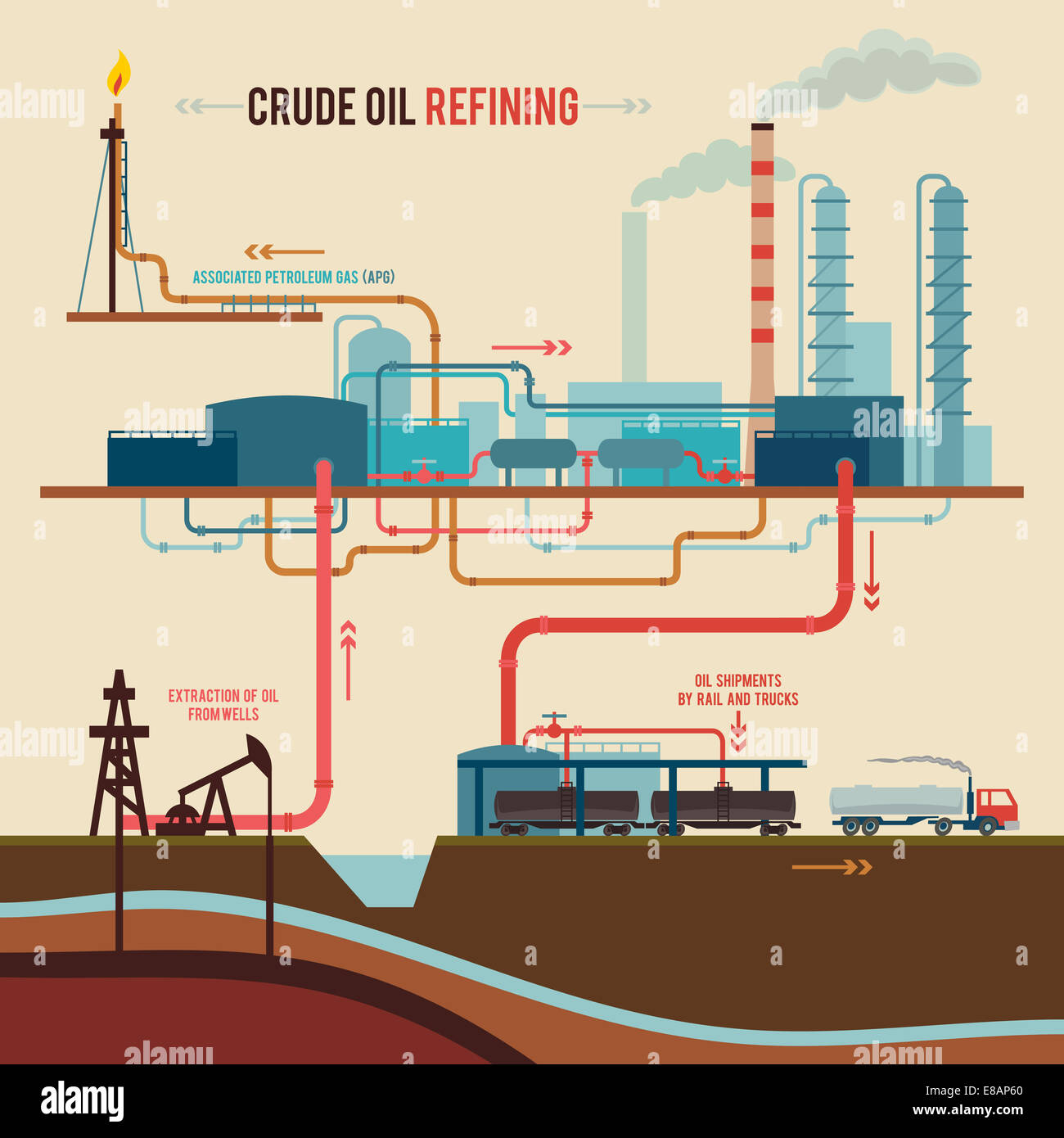
Finally, once the oil is nudged, pushed, or coaxed, how does it actually get to the surface? Often, it's with the familiar sight of the pumpjack, often called a "nodding donkey." These iconic contraptions just keep bobbing up and down, day in and day out, drawing the oil up from deep underground. It’s a simple, reliable piece of engineering, like an old friend who just keeps showing up for work.
So, there you have it. The secret life of crude oil extraction. It’s not always about grand explosions or futuristic gadgets. It’s a mix of clever science, a lot of brute force, and some surprisingly common-sense techniques. My final unpopular opinion on the matter? For all our technological marvels, getting crude oil out of the ground often feels less like rocket science and more like a very, very elaborate game of "poke and hope" with some incredibly deep straws. Next time you fill up your tank, just remember the deep, dark journey that ancient dinosaur juice had to make – all thanks to us poking the Earth with giant, spinning pencils.