Have you ever paused mid-news report, a tropical storm or hurricane name rolling off the anchor’s tongue, and wondered, "How on earth do they come up with those?" It’s a question that piques curiosity, transforming something as formidable as a storm into a subject with a surprisingly human touch. Far from random, the system behind naming these colossal weather events is a fascinating blend of practicality and tradition, offering a unique lens through which to appreciate order amidst chaos. It’s a creative challenge that, while handled by experts, holds a peculiar appeal for anyone who loves a good system or a clever list.
Understanding how storms get their monikers isn't just for meteorology buffs; it offers surprising benefits across various interests. For artists and storytellers, knowing the established naming conventions can inspire compelling narratives or character names, lending a touch of authentic detail to their worlds. Imagine a protagonist named after a retired, particularly impactful storm, or a plot revolving around the symbolism of a specific name. Hobbyists and trivia enthusiasts will find this knowledge invaluable, adding a smart conversational piece to their repertoire. It's a neat fact to pull out at gatherings, showcasing a deeper understanding of current events. And for the casual learner, it simply satisfies that innate human desire to understand "how things work," making global weather news more engaging and less abstract. It connects us to these powerful natural phenomena in a more personal, albeit systematic, way.
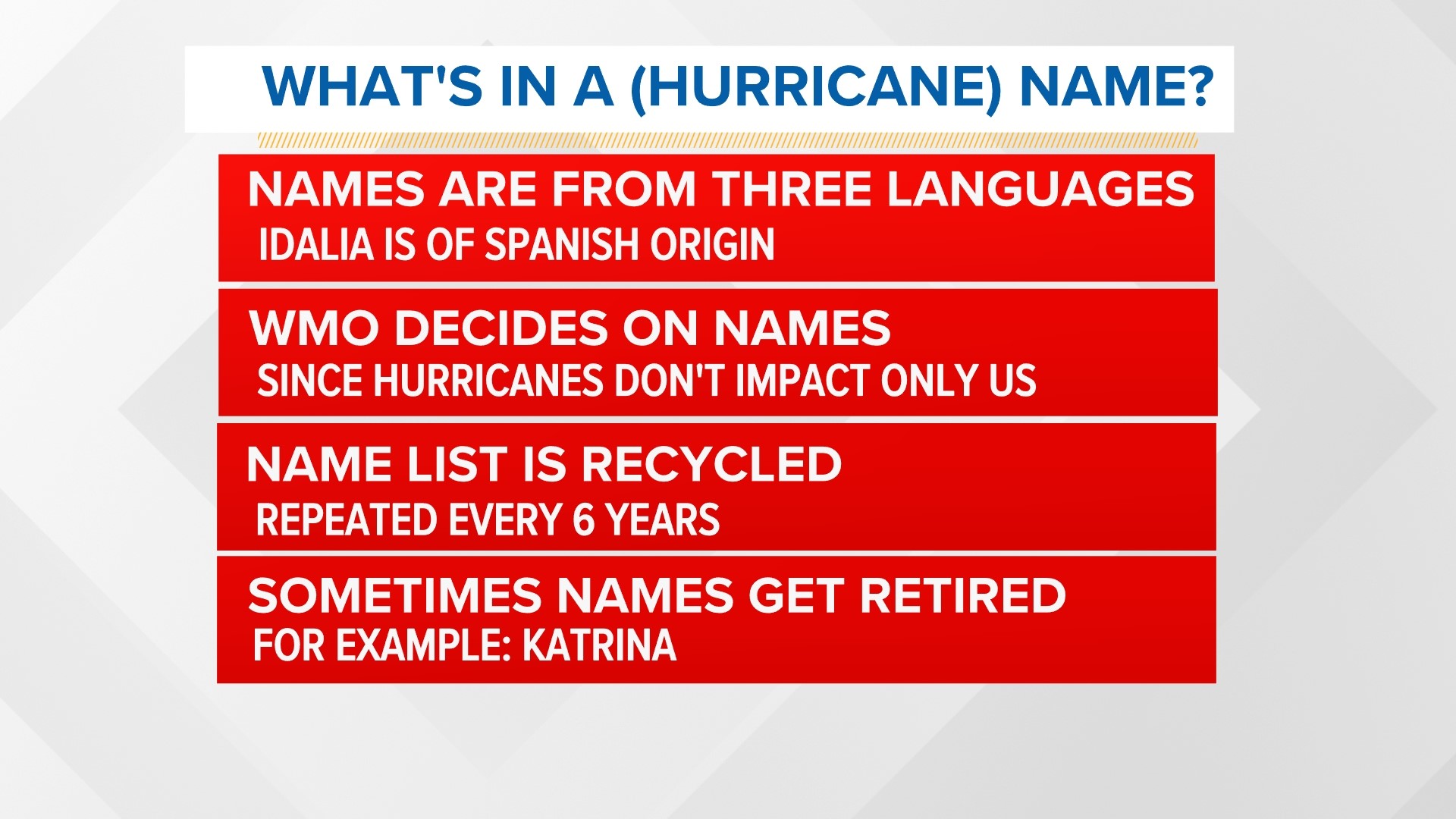
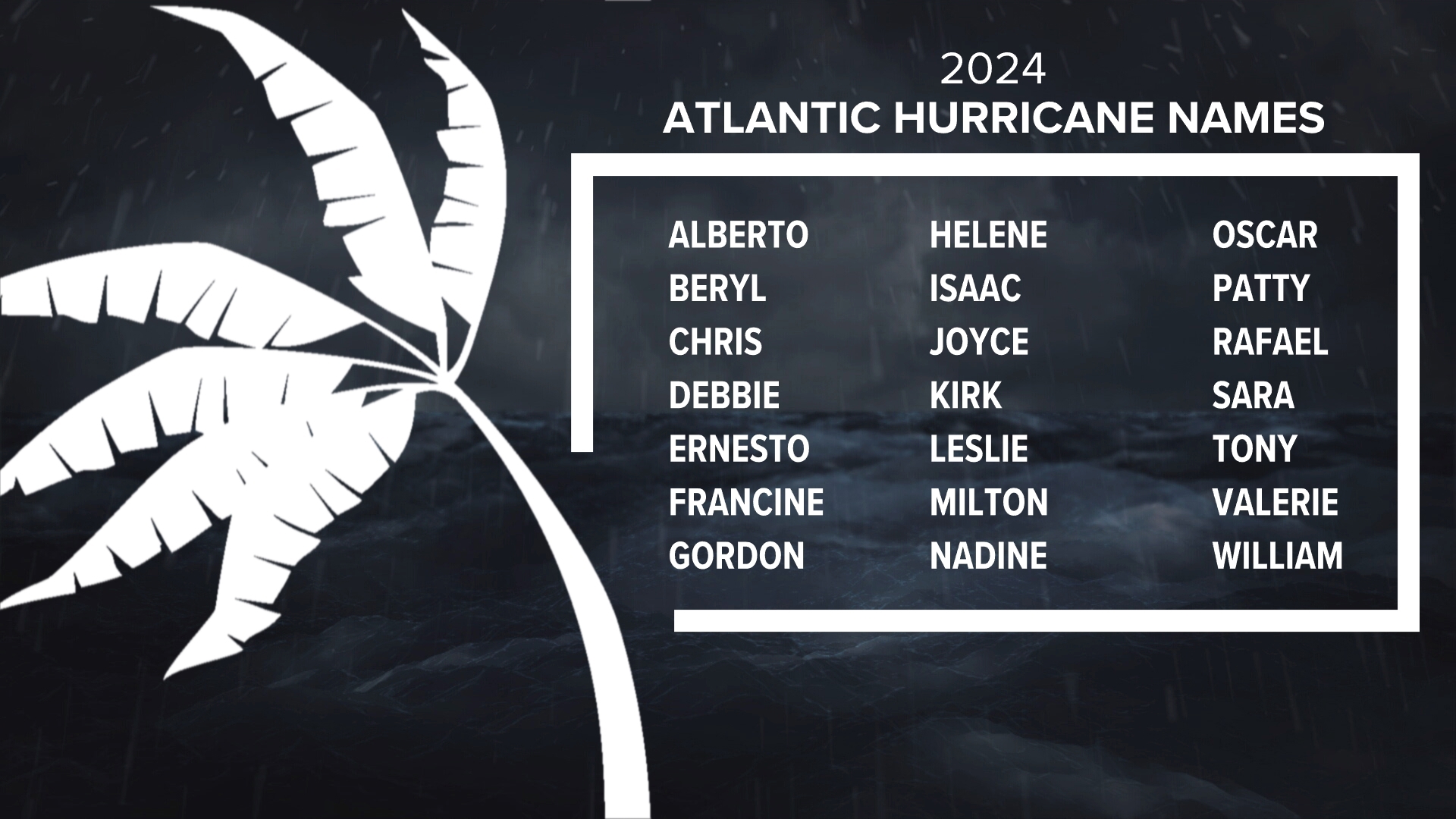
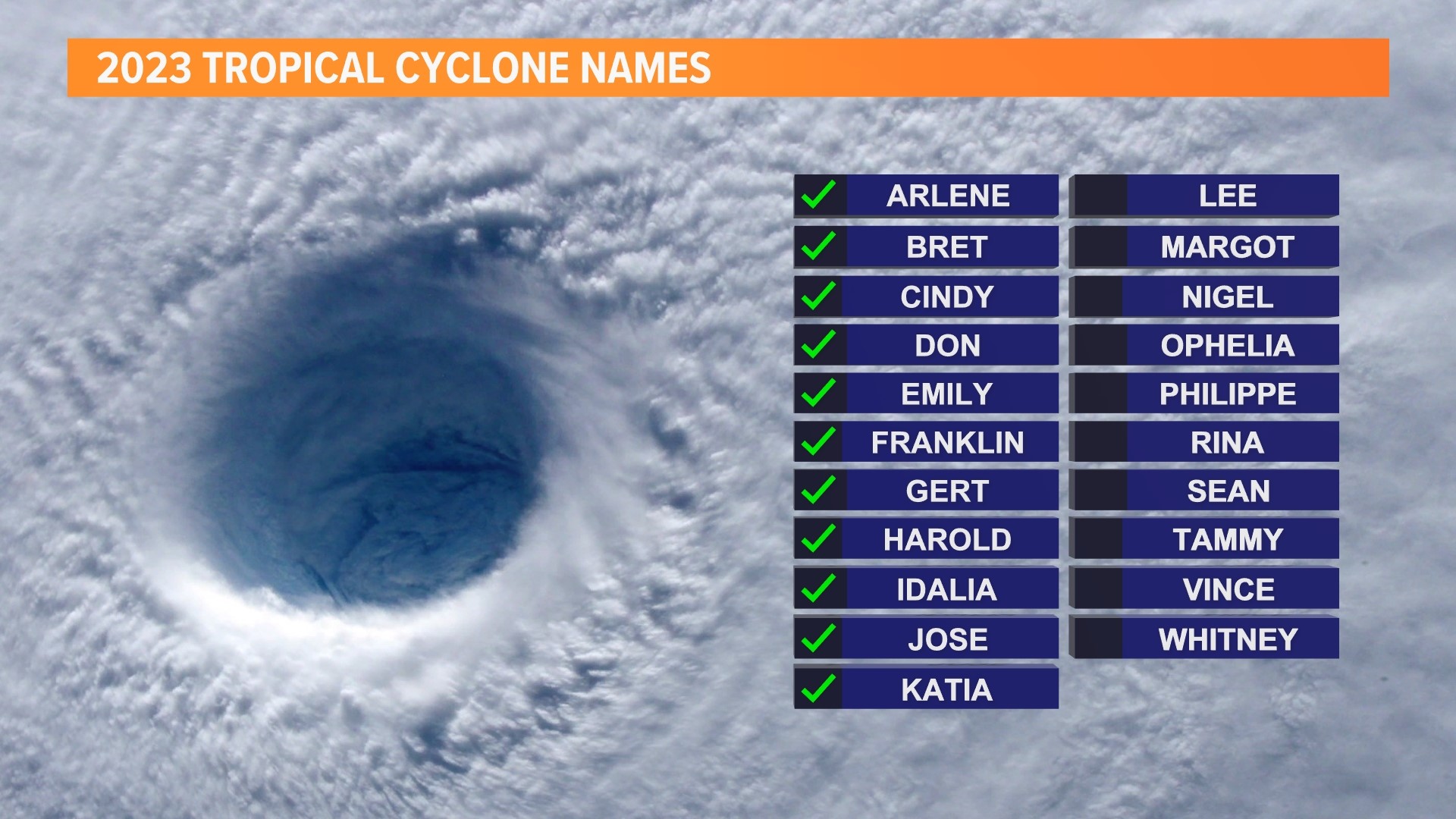
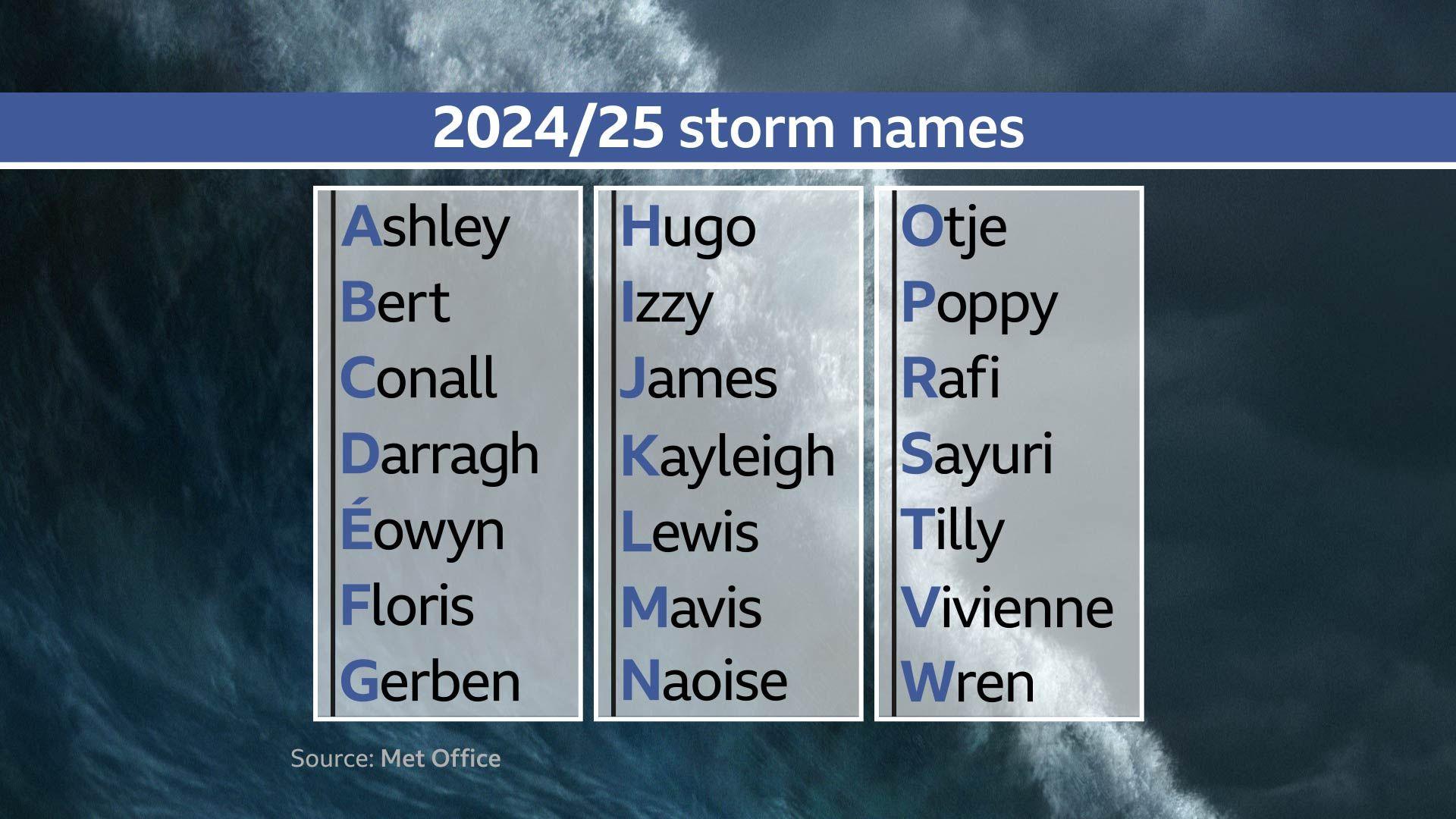
The system itself is beautifully straightforward. For the Atlantic basin, where many of us track storms, there are six alphabetical lists of names, alternating between male and female, that rotate every six years. So, the 2024 list will be used again in 2030. Each list starts with "A" and works its way through the alphabet, skipping letters that are too difficult to pronounce in multiple languages (like Q, U, X, Y, Z). Examples include familiar names like Hurricane Michael or Tropical Storm Sally, each patiently waiting their turn on their designated list. This predictability helps avoid confusion, ensuring that when you hear "Tropical Storm Grace," you know exactly which weather system is being discussed. A particularly infamous or destructive storm, like Hurricane Katrina or Superstorm Sandy, will have its name "retired" from the list, a mark of its significant impact, and replaced with a new one. This ensures that names associated with immense suffering are not reused lightly, a poignant human element within the scientific framework.
Want to try your hand at storm naming at home? It’s a fun, low-stakes creative exercise! First, brainstorm a theme. Will your storms be named after flowers, constellations, beloved literary characters, or perhaps types of cheese? (Tropical Cyclone Gouda, anyone?) Next, create your own alphabetical list, ensuring a good mix of sounds and perhaps alternating genders if you like. You could even invent a "retirement" rule for your own particularly messy kitchen disasters or exceptionally productive workdays. Imagine proclaiming, "We've had a significant 'Hurricane Procrastination' this morning, it must be retired from the list!" Or, "Today's 'Tropical Storm Productivity' has been upgraded!" Apply your names to everyday events, or even write short stories about the personalities your chosen names inspire. The sky's the limit for this personal, imaginative twist on a global system.
Ultimately, understanding how storms are named is enjoyable because it demystifies a small part of the complex world around us. It's a testament to human ingenuity in creating order, even when facing the raw power of nature. It transforms a potentially frightening topic into something more accessible, even a little charming. There’s a quiet satisfaction in knowing the system, appreciating the thought behind the lists, and perhaps even feeling a tiny bit more connected to the weather events that shape our world. It’s a reminder that even in the most serious contexts, there's often a structured, and rather clever, design at play.