Ever heard people chatting about "carbon credits" and thought it sounded like something only for big companies or scientists with pocket protectors? Well, grab a cuppa, because we're about to demystify it and show you why it's actually pretty cool, and how *you* can get a slice of that planet-saving pie!
Imagine the Earth is like a giant, super-important piggy bank, and our atmosphere is the lid. Every time we do something that releases greenhouse gases – like driving our car, heating our home, or even manufacturing our favourite snacks – we’re essentially taking a little bit of goodness out of that piggy bank, making the lid a bit less secure. These are our emissions, those invisible little party crashers that warm things up too much.
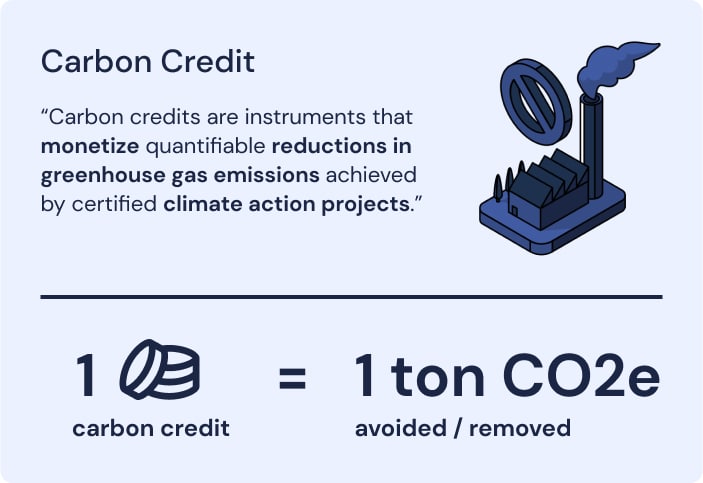
Now, here's where carbon credits waltz in like a superhero. A carbon credit is basically a gold star, a digital pat on the back, for removing or preventing one tonne of carbon dioxide equivalent (CO2e) from entering our atmosphere. Think of it as a "get out of jail free" card, but for the planet! If you do something awesome like plant a forest, or build a wind farm, you've earned a credit. Companies that can't easily reduce their own emissions sometimes buy these credits to offset their footprint, helping fund those planet-positive projects.
Why Should You Care?
Okay, so it's not just for the suits. Why should you, an everyday legend, give a hoot about these digital gold stars? Simple: because it's about being on the winning team. It’s about leaving a cooler, cleaner inheritance for your kids and grandkids. It’s about making a tangible difference, feeling good about it, and sometimes even getting rewarded!
Imagine telling your grandkids, "See that lovely, breezy park? I helped plant those trees!" Or, "That amazing renewable energy project? My efforts contributed to that!" It’s like being a secret agent for the planet, but instead of gadgets, you've got good intentions and smart actions.
Plus, caring about carbon credits means caring about innovation. It encourages smart people to come up with even better ways to clean up our act, from clever new tech to ancient wisdom about soil health. It's a system designed to put a value on doing good, and who doesn't love that?
The Big Picture: Where Do These Credits Grow?
Most of the "official" carbon credits you hear about are generated by large-scale projects. We're talking about:
- Forests, Forests, Forests! Planting millions of trees (reforestation) or protecting existing ones (avoided deforestation). Every tree is like a tiny, leafy CO2 vacuum cleaner.
- Renewable Energy Wonders: Wind farms spinning gloriously, solar panels soaking up sunbeams, hydropower making rivers work for us. These replace dirty fossil fuels.
- Smart Agriculture: Farmers adopting techniques that lock carbon into their soil, making it healthier and more productive. It's like turning dirt into a carbon sponge!
- Industrial Upgrades: Factories finding clever ways to capture their own emissions or make their processes super-efficient.
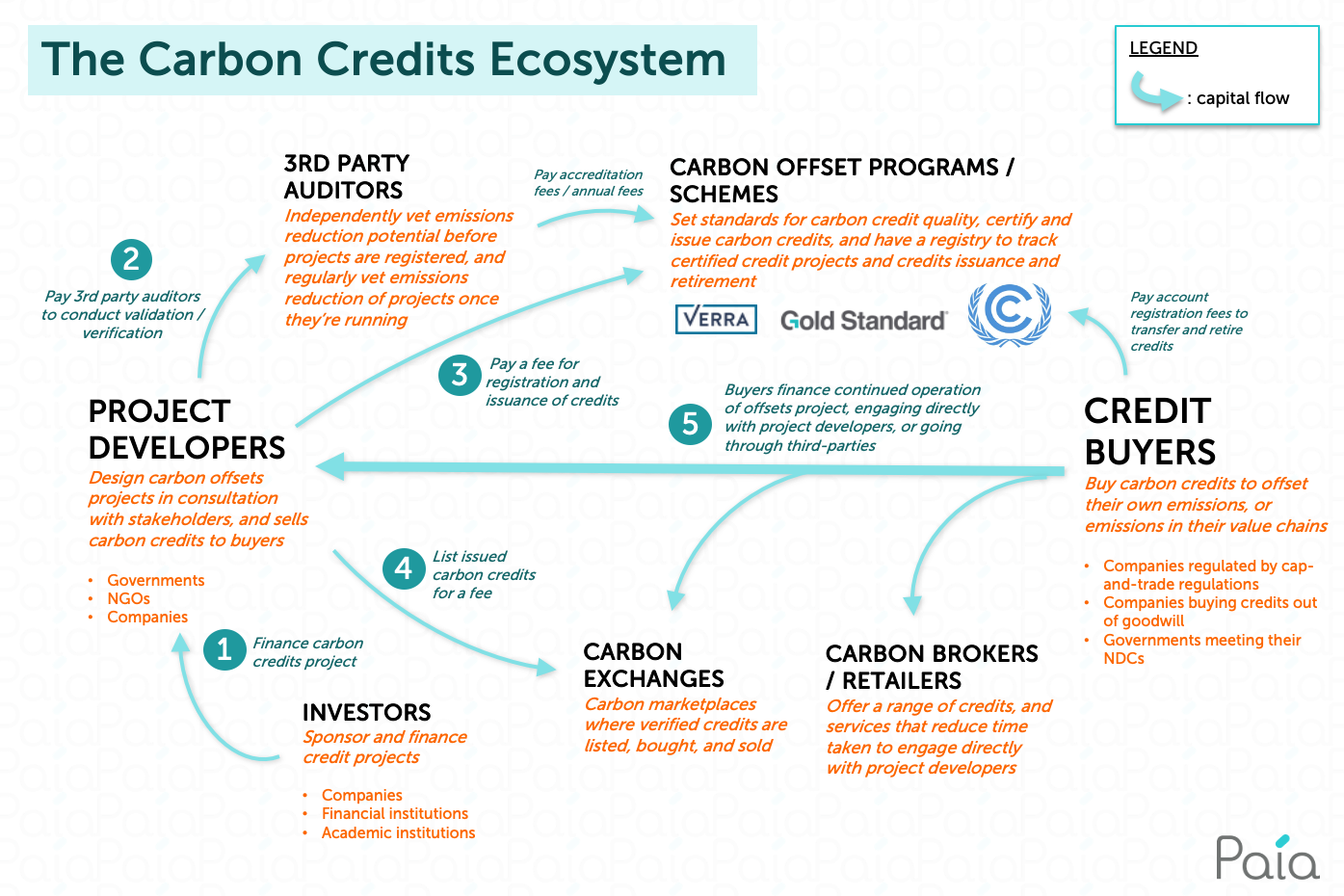
These projects go through rigorous checks and balances, kind of like getting an environmental PhD, to make sure they're genuinely removing or preventing CO2. Once verified, they get their credits, which can then be sold.
Okay, But How Do I Get Carbon Credits Myself?
Alright, this is where it gets fun and a little more personal. While you might not be building a wind farm in your backyard (unless you have a seriously big backyard!), there are ways to get involved, both directly and indirectly.
1. Become a Land-Loving Carbon Farmer (If You Have the Space!)
If you're lucky enough to own a piece of land, even a small one, you can become a mini carbon credit generator.
- Plant Trees: Seriously! Create a mini-forest or even just a few strategic trees. Talk to local conservation groups; sometimes they have programs for aggregating smaller tree-planting efforts into larger, certifiable projects. It's like a neighbourhood "carbon credit club."
- Healthy Soil, Happy Planet: If you've got a garden, think about regenerative practices. Composting, no-till gardening, cover crops – these aren't just good for your veggies; they're fantastic at sequestering carbon in the soil. While individual garden efforts are unlikely to generate formal credits, collectively, if enough people did it, local initiatives could potentially look at aggregation programs.
2. Support the "Big Guns" (The Easiest Way to Participate!)
For most of us, the most accessible way to "get" carbon credits is by supporting projects that generate them. This usually means buying carbon offsets. When you buy an offset, you're essentially funding a project somewhere else in the world that is removing or preventing emissions equal to your own footprint.
- When You Travel: Many airlines and travel sites offer the option to offset your flight. For a few extra bucks, you're helping fund a project that might plant trees or build clean energy somewhere.
- Through Specialised Retailers: There are platforms where you can buy offsets to cover your entire household's annual emissions, or just for your daily commute. Look for reputable organisations that certify their projects (e.g., Gold Standard, Verra).
It's like saying, "Hey, I might have created X amount of CO2 this year, but I'm going to pay someone else to prevent/remove X amount elsewhere. We're even!" You're not "getting" the credit yourself, but you're making sure a credit exists because of your payment, funding positive change.
3. Your Personal "Carbon Hero" Credits (Making Daily Choices)
While these don't technically become tradeable carbon credits, every little bit you do to reduce your own footprint is like earning a personal green superpower badge. These actions prevent the need for more credits to be generated in the first place!
- Power Down: Turn off lights, unplug unused electronics. Your wallet will do a happy dance, and your fridge will whisper "thank you."
- Go Green with Transport: Walk, bike, carpool, or use public transport more often. Think of it as giving your car a well-deserved nap.
- Eat Smart: Reducing meat consumption, especially red meat, has a surprisingly big impact. It's like giving the planet a gentle, tasty hug.
- Reduce, Reuse, Recycle: The classic trio. Less new stuff means less energy used in manufacturing, which means fewer emissions.
So, What's the Takeaway?
Getting "carbon credits" might sound complex, but at its heart, it's about valuing and incentivising actions that heal our planet. Whether you're directly planting a tree, supporting a reforestation project with an offset, or simply making greener choices in your everyday life, you are contributing. You are part of the solution, earning those invisible, yet incredibly valuable, good karma points for a healthier Earth.
So next time you hear about carbon credits, instead of feeling lost, you can smile, knowing you understand the game, and perhaps, you're already playing a starring role!