Imagine you're out camping, miles from the nearest wall socket, but you desperately need to charge your laptop or power a small fan. Or maybe you're picturing a sunny rooftop covered in solar panels, generating clean energy, but how does that energy actually power your toaster or TV? This isn't magic; it's a fascinating bit of electrical wizardry that allows us to bridge the gap between two fundamental types of electricity: Direct Current (DC) and Alternating Current (AC). It might sound technical, but understanding how we convert DC to AC is incredibly useful, empowering, and surprisingly fun when you realize its everyday impact!
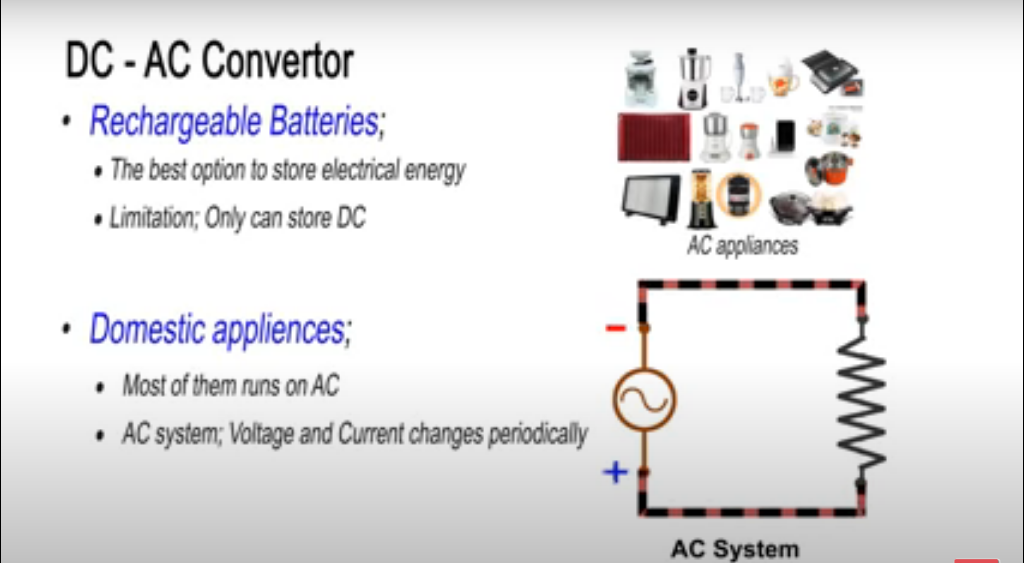
So, why bother with this conversion? Well, our modern electrical grid, the one that powers most homes and businesses, uses Alternating Current. AC is fantastic for transmitting electricity over long distances efficiently. However, many of the power sources we use in our daily lives—like batteries in your phone, car, or a portable power bank, and even solar panels—naturally produce Direct Current. DC flows steadily in one direction. The purpose of converting DC to AC is simple: to take power from these convenient DC sources and make it usable for the vast majority of our household appliances and electronics that demand AC. The benefits are huge! Think about the freedom of powering your essential devices during a power outage with a car battery, running a small cabin entirely on solar power, or even just charging your power tools from a portable battery pack on a job site. It’s all about flexibility and independence.
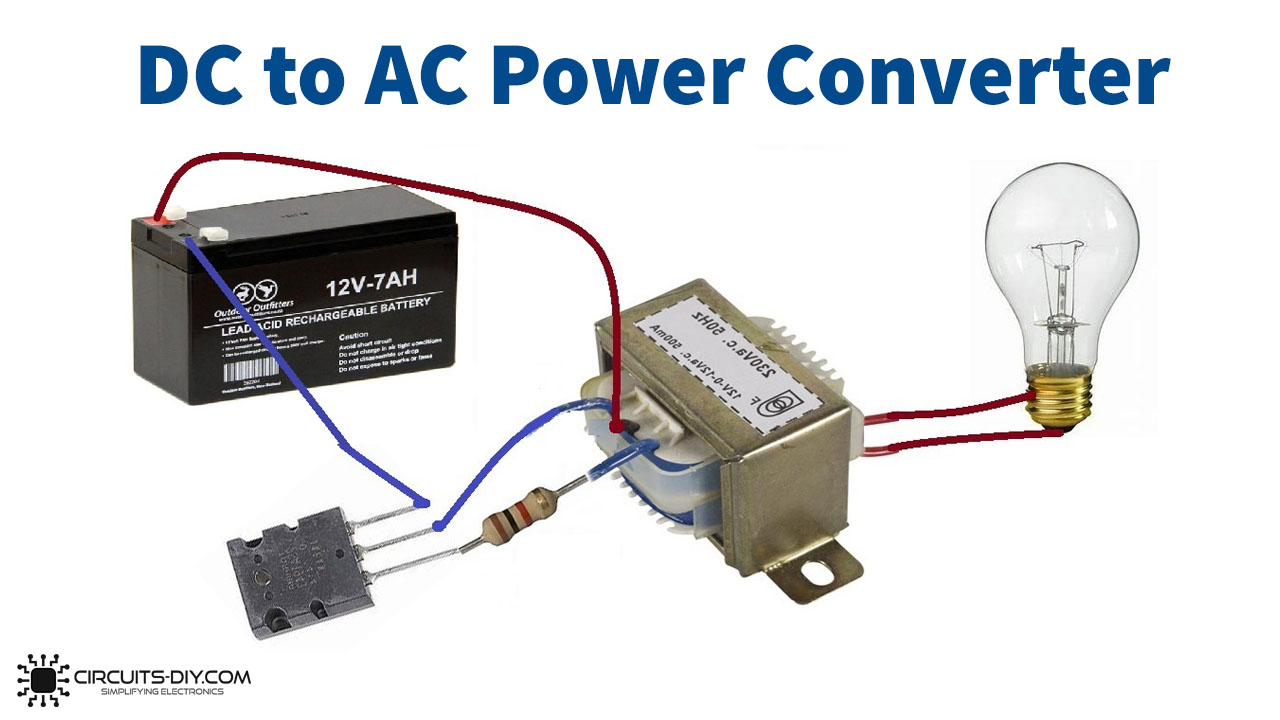
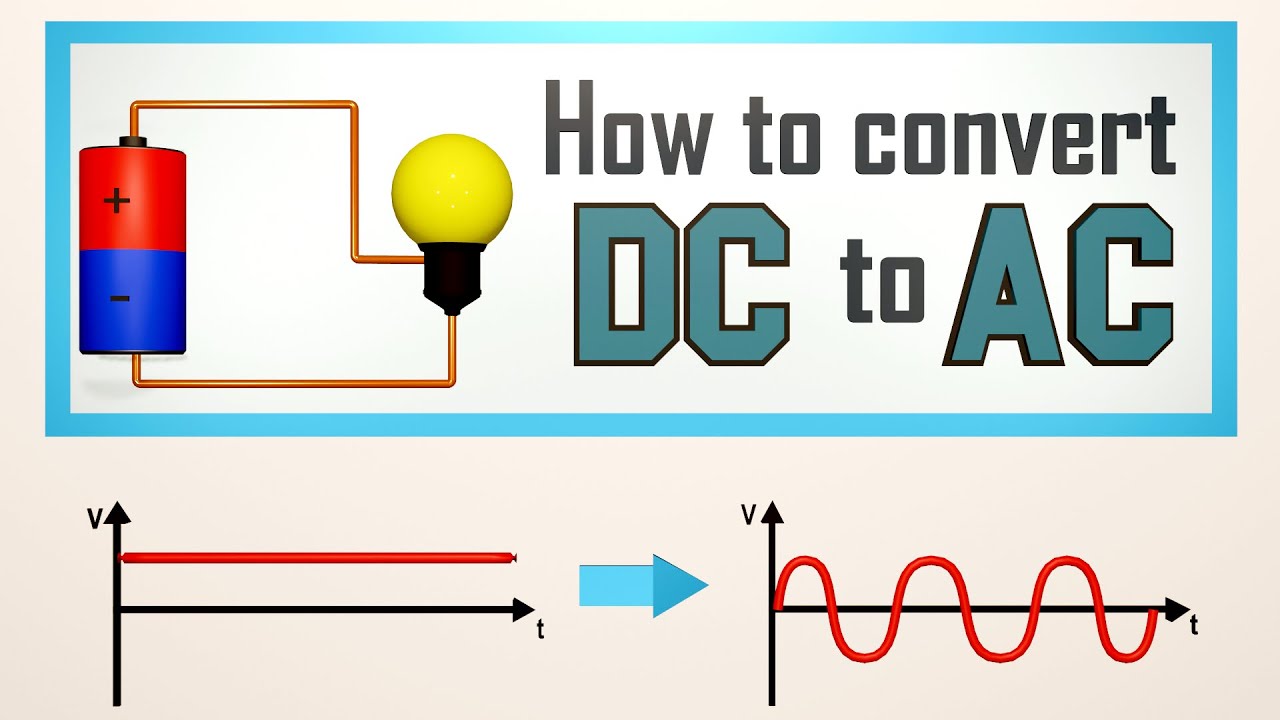
The unsung hero of this conversion is a device called an inverter. In its simplest form, an inverter takes that steady, one-directional DC power and essentially "chops" it up very rapidly. Imagine quickly turning a light switch on and off hundreds or thousands of times a second. This rapid switching creates a series of pulses. The clever part is how the inverter then shapes these pulses into something resembling a smooth, oscillating wave – just like the AC coming from your wall outlet. Older, simpler inverters might produce what's called a "square wave" or "modified sine wave," which are fine for basic devices like lights or resistive heaters. But for more sensitive electronics, like your computer or refrigerator, you often need a pure sine wave inverter. These advanced inverters are designed to create an AC waveform that's almost identical to grid power, ensuring your devices run smoothly and safely.
From powering a small fan on a camping trip to enabling entire off-grid homes to run on solar energy, the ability to convert DC to AC is a cornerstone of modern convenience and energy independence. It's what makes portable power stations so versatile, allows boats and RVs to feel like home, and lets you harness the sun's energy to light up your life. Next time you plug in a device that’s drawing power from a battery or a solar panel, take a moment to appreciate the humble inverter working tirelessly behind the scenes. It’s not just converting electricity; it’s converting potential into practical power, empowering us to use energy where and when we need it most. It's truly an ingenious solution to a very common electrical challenge!