Alright, let's dive into something that might sound a little... well, damp. We're talking about sump pumps! Now, before your eyes glaze over, hear me out. Understanding your home's sump pump isn't just about avoiding a soggy basement; it's about becoming a bit of a home detective, protecting your most valuable asset, and enjoying some serious peace of mind. Think of it as empowering yourself with knowledge that keeps your socks dry and your spirits high, even during the heaviest downpours!
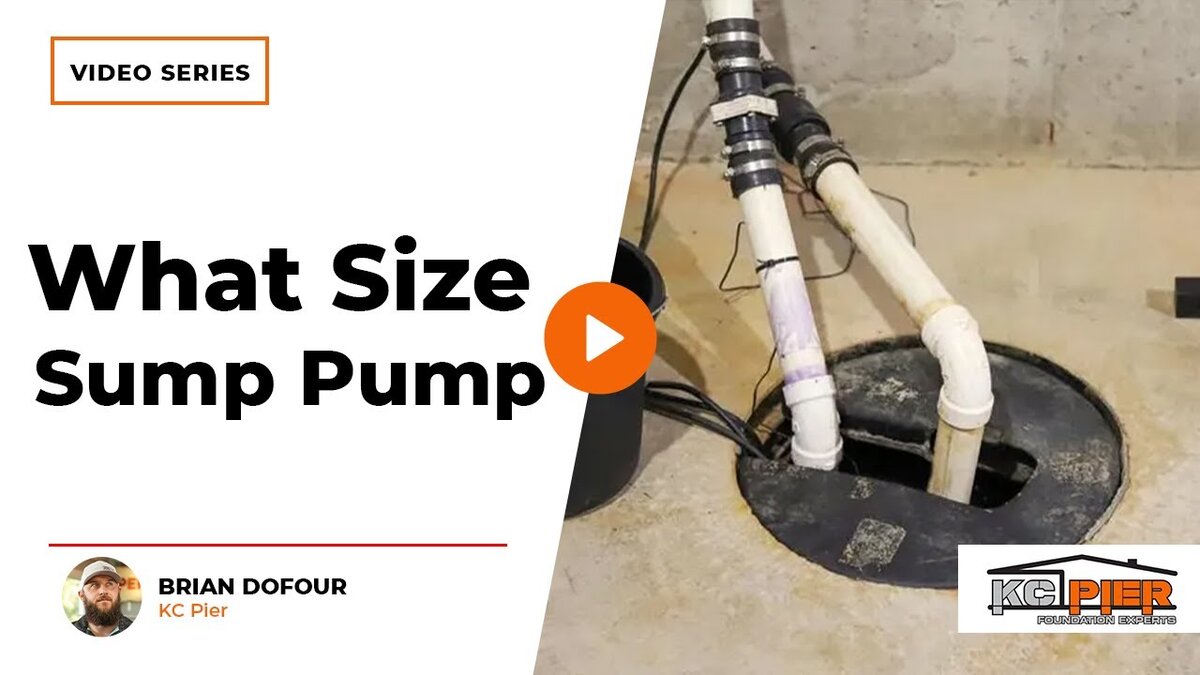
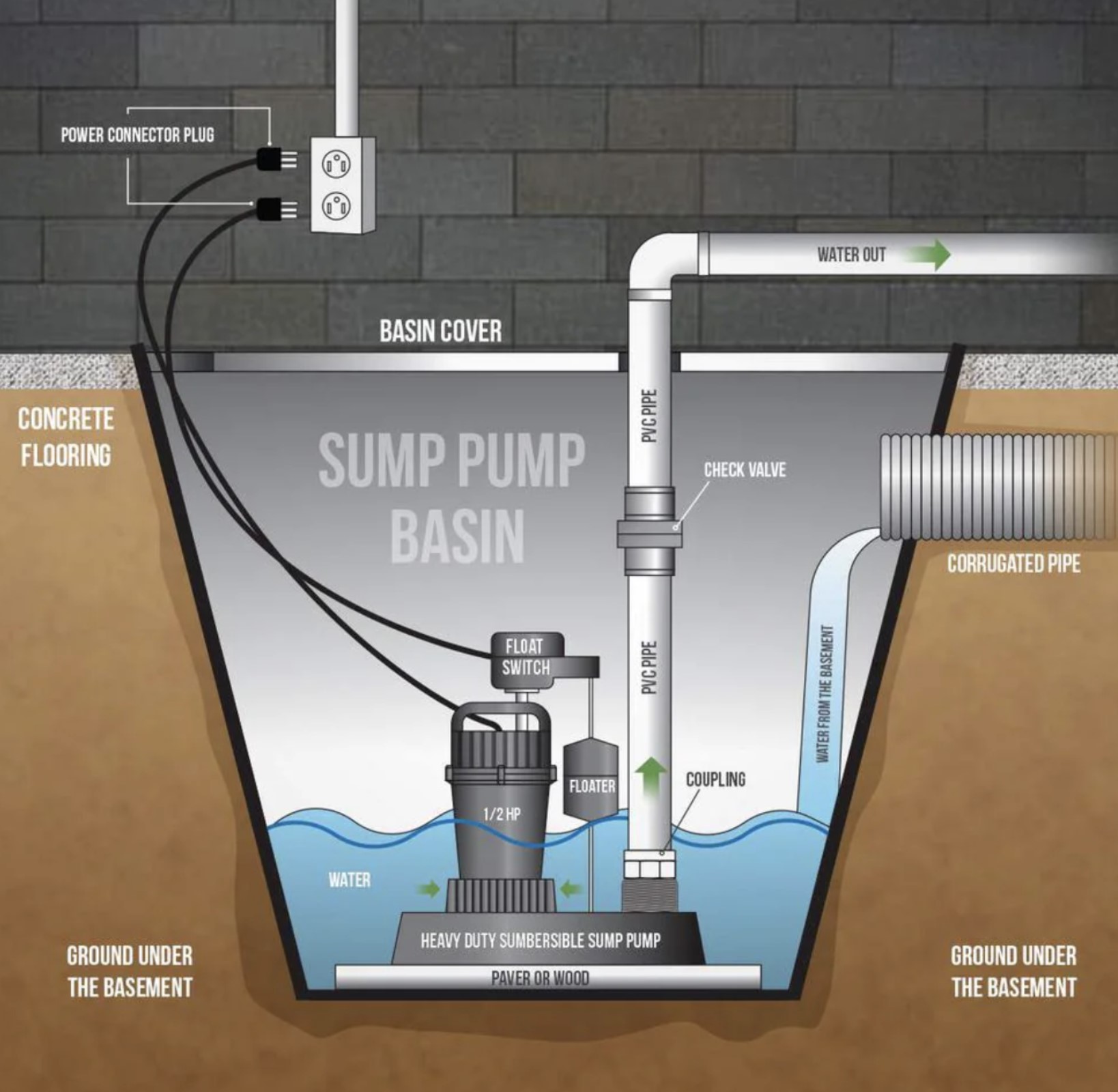
At its heart, a sump pump is your home's unsung hero, quietly standing guard against unwelcome water. Picture this: during heavy rain or snowmelt, water can seep into the soil around your foundation. Gravity being what it is, this water wants to go down, often finding its way into a special hole in your basement floor called a sump pit. That's where your pump comes in! When water levels rise in the pit, a float switch activates the pump, which then springs into action, diligently pushing that water out and away from your house through a discharge pipe. The benefits are huge: it prevents basement flooding, protects your precious belongings, fends off nasty mold and mildew, and can even safeguard your home's structural integrity. It's truly a shield against water damage.
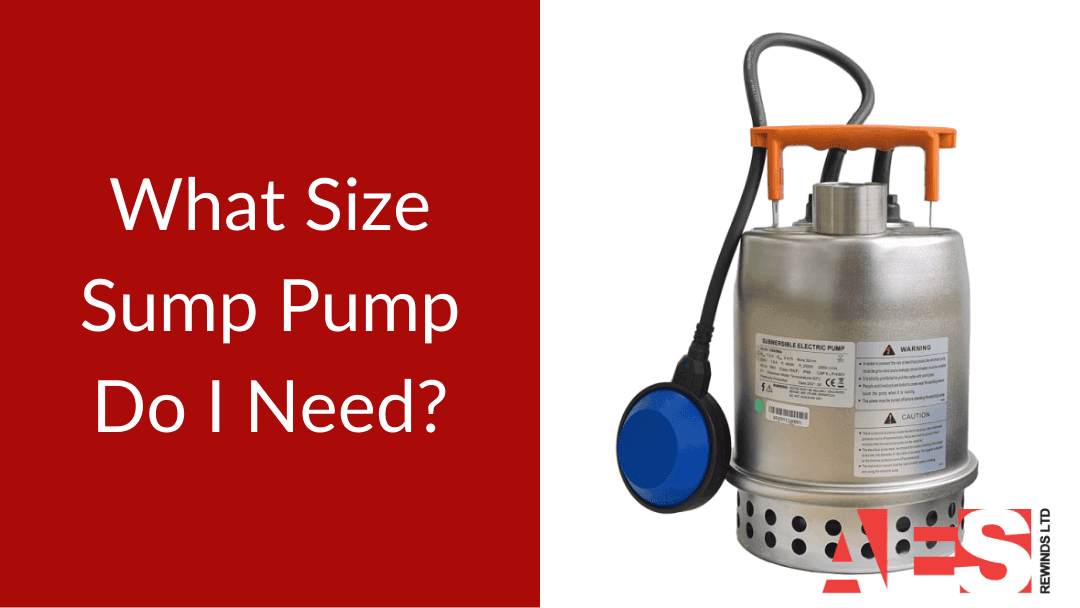
So, where does the "how big" come in? Well, just like you wouldn't use a toy bucket to bail out a swimming pool, you can't just pick any old sump pump. The size and power of your pump, measured in horsepower (HP) and its ability to move gallons per hour (GPH) at a certain height, are crucial. A pump that's too small simply won't keep up during a major storm, leading to a flood. But here's a curious twist: a pump that's too big isn't ideal either! An oversized pump will "short-cycle" – turning on and off too frequently – which wears out the motor faster and can actually be less efficient. It’s all about finding that just right fit for your home.
In our daily lives as homeowners, this understanding becomes incredibly practical. It's not about complex engineering; it's about making smart decisions. When you know what factors influence sump pump sizing, you can confidently discuss options with a plumber, or even assess your existing system. It’s an excellent example of how a little bit of practical knowledge can save you a lot of headache and money down the line. It teaches us to observe our environment and apply that observation to maintain our living spaces effectively.
Ready to be a sump pump sizing detective? Here are some simple ways to explore what your home might need: First, observe! During the next heavy rain, take a peek at your sump pit (if you have one). How quickly does it fill? This gives you a rough idea of your home's water intake. Second, consider your vertical lift: this is the height the pump needs to push water from the bottom of the pit up to the discharge pipe outlet. This is perhaps the most critical factor. Longer horizontal discharge pipes or pipes with many bends also add to the "work" your pump needs to do. Finally, think about your regional rainfall and whether your basement is finished (higher stakes!). You can then compare these factors with manufacturers' charts, which often show a pump's GPH rating at various "feet of head" (vertical lift). Don't be afraid to ask for a second opinion from a reputable plumber, and always consider a reliable battery backup sump pump – because power outages and heavy storms often go hand-in-hand!