Have you ever found yourself watching a hurricane forecast, maybe a swirling mass on a weather map, and wondered, "Just how bad can one of those things really get?" It’s a question that often pops up, not out of morbid curiosity, but out of a genuine fascination with the sheer power of nature. Learning about the upper limits of a hurricane isn’t just for emergency planners or meteorologists; it’s a remarkably interesting dive into the forces that shape our planet, and it can actually be quite empowering to understand.
The purpose of exploring "how bad can it get?" isn't to scare us, but rather to replace vague apprehension with concrete understanding. Think of it as a way to demystify one of earth's most formidable natural phenomena. The benefits are numerous: for starters, it fosters a much deeper appreciation for the incredibly complex systems that drive our weather. More practically, it's about preparedness and peace of mind. Knowing the potential severity helps us make informed decisions, whether that's strengthening our homes, planning an evacuation route, or simply staying calm when a big storm is on the horizon. It shifts the narrative from "what if?" to "what should I know and do?"
This kind of knowledge has real-world applications across various aspects of daily life and education. In schools, particularly in geography or earth science classes, understanding hurricane intensity and its impacts becomes a vivid lesson in climatology, physics, and even social studies, as we examine community resilience. For adults, it's crucial for homeowners and coastal residents. Deciding on the right kind of storm shutters, understanding your insurance policy, or knowing when to heed an evacuation order becomes far less abstract when you grasp the distinction between a Category 1 and a Category 5 storm. Even for travelers, a quick look at hurricane potential for a holiday destination can be a smart move. It helps us interpret news reports with a critical eye, rather than just absorbing sensational headlines.
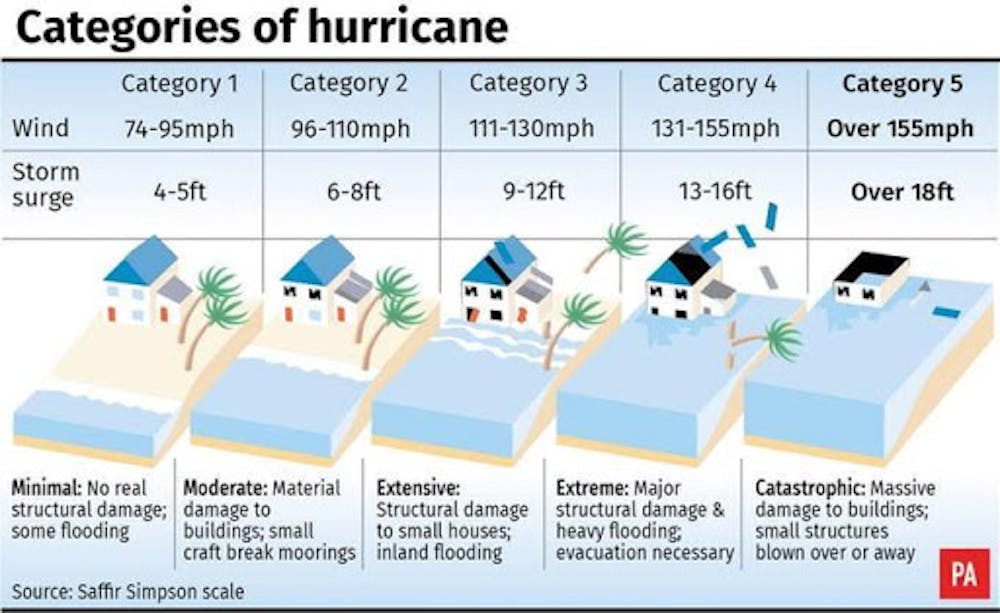
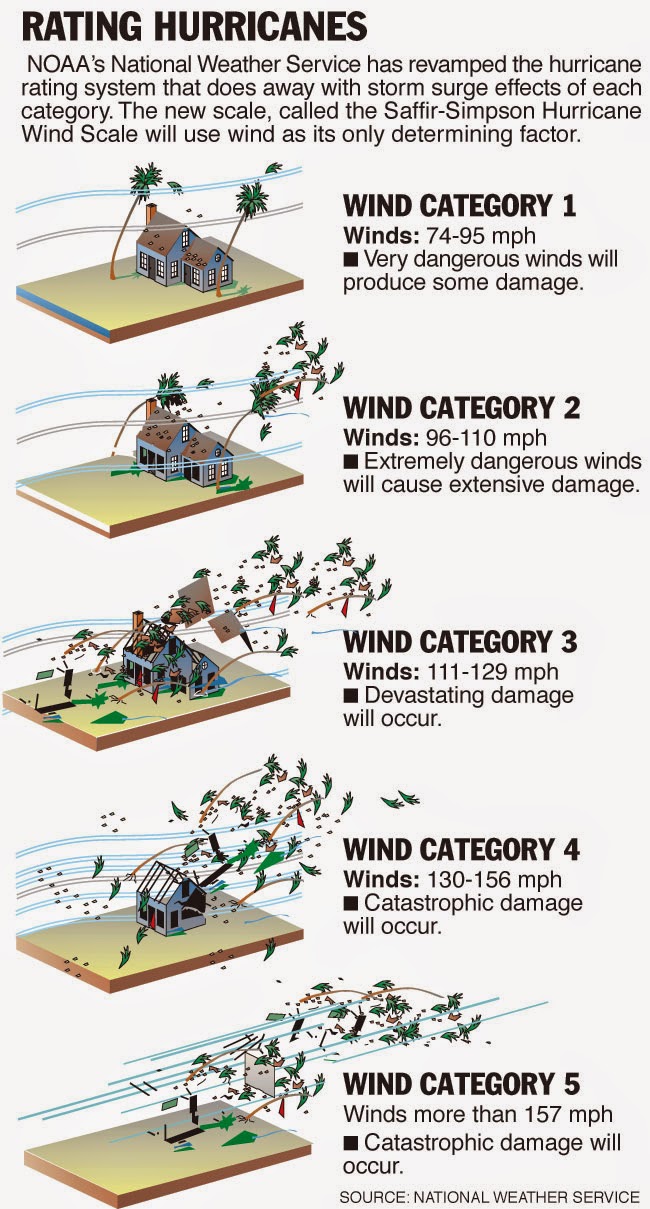
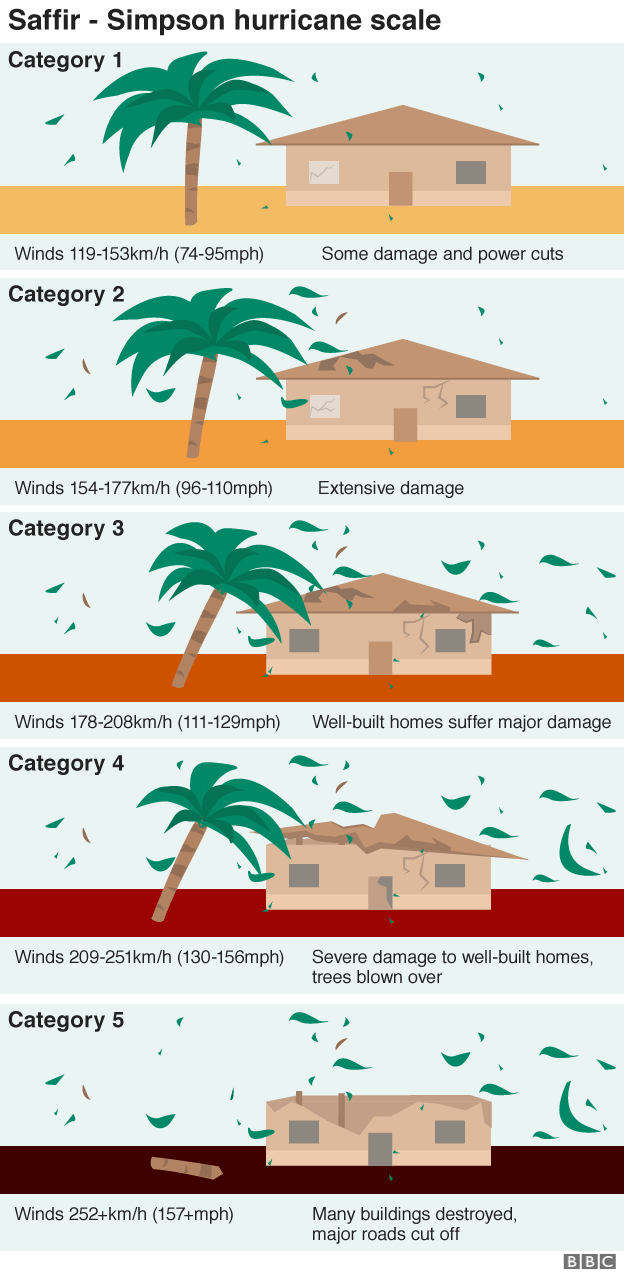
So, how can you casually explore this fascinating topic? It’s simpler than you might think! A great first step is to visit official sources like the National Hurricane Center (NHC) website. They have fantastic, easy-to-understand explanations of the Saffir-Simpson Hurricane Wind Scale, which is how we categorize hurricane strength. Don't just look at the numbers; try to visualize the wind speeds – Category 5 winds can literally level well-built homes! You can also follow reputable meteorologists on social media; many offer incredible insights and break down complex weather patterns into digestible, engaging content. Another fun way is to look up the historical hurricanes that have impacted your region. Learning about past events provides a tangible context for understanding future risks. Engage with local emergency management offices; they often have resources and community meetings that illuminate preparedness strategies. Ultimately, a little bit of curiosity about "how bad can it get?" transforms into a powerful tool for understanding and respecting the incredible forces of our natural world, helping us live more safely and informed.