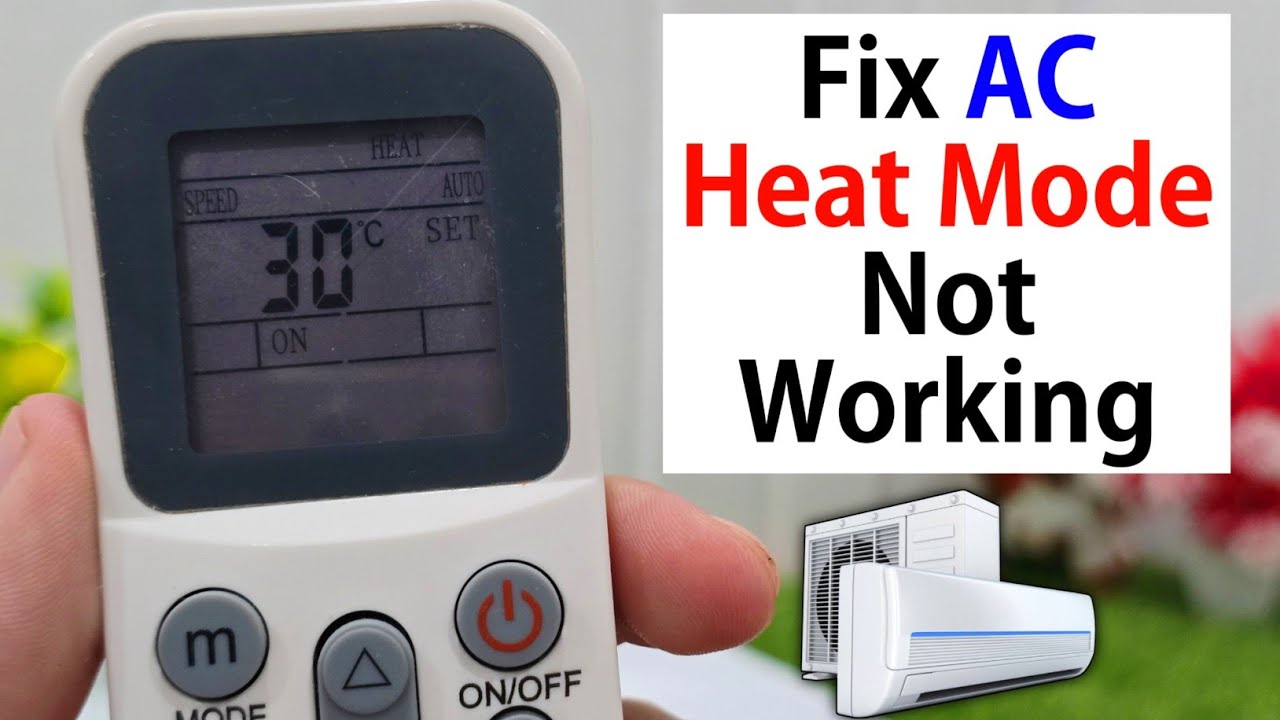
Brrr! There’s nothing quite like a chilly day, only to realize your home’s cozy warmth isn't kicking in. Your AC unit, the one that keeps you cool all summer, is supposed to switch gears and make things toasty when winter rolls around. But sometimes, it decides to go on strike.
When your heat isn't working, it can feel like a big, mysterious problem. Don't worry, though! Often, the fix is much simpler than you think. Let's chat about why your trusty unit might be feeling a bit cold-hearted.
It’s a common misconception that your air conditioner only cools. Many modern homes actually use a system called a heat pump. This clever device doesn't generate heat, it just moves it from one place to another. In summer, it moves heat out of your house; in winter, it brings outdoor heat inside!
Start with the Easy Stuff: Your Thermostat
Before you panic, let's play detective with your thermostat. This little panel is your home’s brain for temperature control. It’s amazing how often a simple setting is the culprit!
Is it Set to "Heat"?
This might sound obvious, but it’s the number one thing to check. Make sure your thermostat isn't still stuck on "Cool" or "Auto." Find the mode setting and switch it firmly to "Heat." It’s a classic mistake, especially if seasons are changing.
Also, double-check the temperature you've selected. Is it actually higher than the current room temperature? If your home is 68 degrees and your thermostat is set to 65, it won't turn on the heat. Bump it up to something like 72 degrees to give it a clear signal.
Some thermostats also have an "Emergency Heat" or "Aux Heat" option. This is usually for extreme cold or when the main heat pump isn't working. We’ll talk more about that later, but for now, just make sure you're on regular "Heat" mode.
Are the Batteries Dead?
Many modern thermostats run on batteries. If yours has a blank screen or is acting sluggish, those batteries might be saying their goodbyes. Pop in some fresh ones and see if that brings your thermostat back to life.
A dead battery is like a silent protest from your thermostat. It can’t send signals to your AC unit if it has no power. Changing them out is a super quick fix and costs next to nothing.
Check the Power: The Electrical Heartbeat
Just like any appliance, your AC unit needs electricity to run. Sometimes, power issues can be surprisingly simple to fix.
The Breaker Box Adventure
Go to your home’s electrical panel, often in the garage or basement. Look for the circuit breaker labeled for your "Furnace" or "AC Unit." It might have tripped, meaning it flipped to the "off" or middle position to protect the system.
If you find a tripped breaker, firmly flip it all the way to "Off", then back to "On." You should feel a distinct click. Sometimes, simply resetting it is all it takes to get things flowing again. If it trips again quickly, however, that's a sign of a bigger electrical issue, and it's time to call a pro.
Also, check for any dedicated switches near your indoor unit. These often look like regular light switches, but they control the power to your furnace. Make sure it's in the "On" position.
The Air Filter: Your System's Lungs
Think of your air filter as your HVAC system’s lungs. A clogged filter is like trying to run a marathon while holding your breath. It seriously impacts performance, including heating!
A dirty filter restricts airflow, making your unit work much harder. This extra strain can cause the system to overheat or even freeze up in heating mode, leading to poor performance or a complete shutdown. It’s a common culprit for many HVAC woes.
Locate your air filter, usually in the return air vent or inside the furnace itself. If it’s dark grey and thick with dust, it’s time for a change. Replacing a dirty filter with a clean one is one of the easiest and most important things you can do for your system’s health and efficiency.
A clean filter is a happy filter, and a happy filter means happy heat! It’s a simple act of maintenance that prevents big headaches.
Understanding Heat Pumps and Their Quirks
If your unit is a heat pump, it has a few unique things that can go wrong when it comes to heating.
The Great Defrost Cycle
When it’s cold outside, your outdoor unit can sometimes get frosty. Heat pumps have a clever defrost cycle to melt this ice. During this cycle, it temporarily switches to cooling mode to warm up the outdoor coil, and your indoor unit might use auxiliary heat to keep your house warm.
You might see steam rising from the outdoor unit during a defrost cycle. This is perfectly normal! However, if your outdoor unit is completely encased in a thick layer of ice and doesn't seem to be defrosting, that's a problem. This could mean a sensor issue or a defrost board malfunction.
Outdoor Unit Blues: Fan and Coils
For a heat pump to work, its outdoor fan needs to spin freely. Check if anything is blocking it, like leaves, branches, or even snowdrifts. Clear away any debris to ensure good airflow. The outdoor unit’s coils also need to be clear.
Also, listen to the outdoor unit. Is it making any strange noises, or is it completely silent when it should be running? A silent outdoor unit when your thermostat is calling for heat could indicate a serious problem, like a capacitor failure or a motor issue.
When It’s Time to Call the Cavalry (The HVAC Pros!)
While many issues can be DIY-friendly, some problems are best left to the experts. Knowing when to wave the white flag is key to preventing further damage and ensuring safety.
Refrigerant Leaks: A Slippery Slope
If your heat pump is low on refrigerant, it won't be able to transfer heat effectively. This isn't something you can check or fix yourself. Refrigerant leaks require a trained technician to diagnose, repair, and properly recharge the system. It’s a very common cause of poor heating and cooling.
Reversing Valve Woes
The reversing valve is the magical component that tells your heat pump whether to cool or heat. If this valve gets stuck or malfunctions, your unit might be stuck in cooling mode, even when you want heat! This is a complex repair that definitely needs a professional touch.
Diagnosing a faulty reversing valve often involves checking electrical signals and pressures within the system. It’s not something for the average homeowner to tackle, as it requires specialized tools and knowledge of HVAC mechanics.
Blower Motor Troubles
The blower motor is responsible for pushing the warm air through your ducts and into your home. If you hear your outdoor unit running but feel no air (or very little) coming from your vents, your blower motor might be failing. This can be a costly repair, but it’s essential for air circulation.
Electrical Complications
Beyond a simple tripped breaker, deeper electrical problems can cause your heat to fail. Issues with wiring, contactors, or control boards are complex and dangerous to DIY. Always prioritize safety when dealing with electricity.
Remember, if you're ever in doubt, or if you suspect a problem beyond a simple check, it’s always best to call a certified HVAC technician. They have the tools and expertise to diagnose and safely repair your system. Don’t try to fix something that could put your safety at risk.
Keeping Your Home Warm and Cozy
It’s frustrating when your heat isn't working, but understanding some basic troubleshooting steps can often save you time, money, and a lot of shivers. Start with the easy checks, like your thermostat and air filter. These simple steps often resolve the issue.
Your AC unit, especially if it’s a heat pump, is a marvel of modern engineering. Giving it a little attention, knowing its quirks, and understanding when to call for help will keep your home comfortable all year long. So go on, give those easy checks a try and get that cozy warmth flowing again!