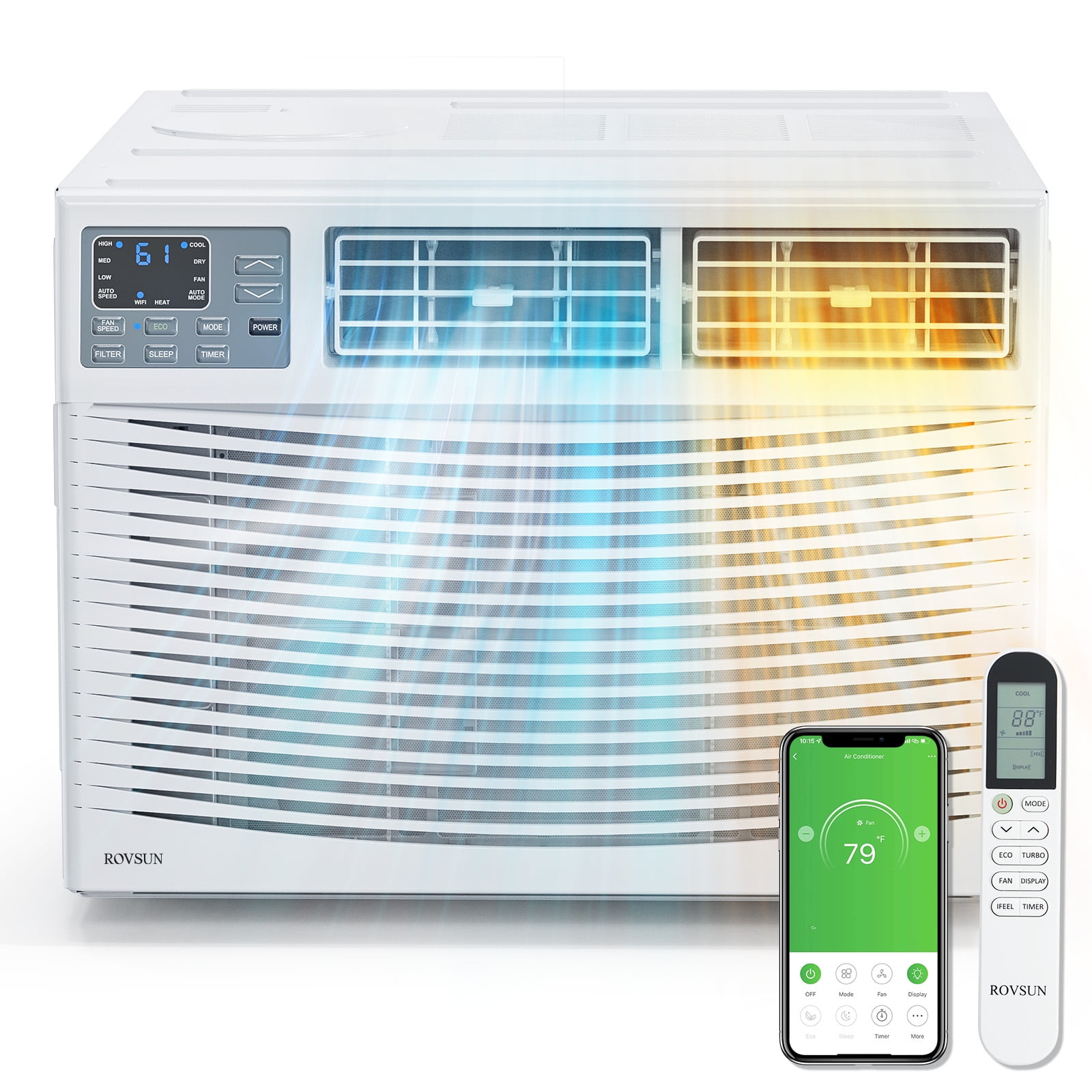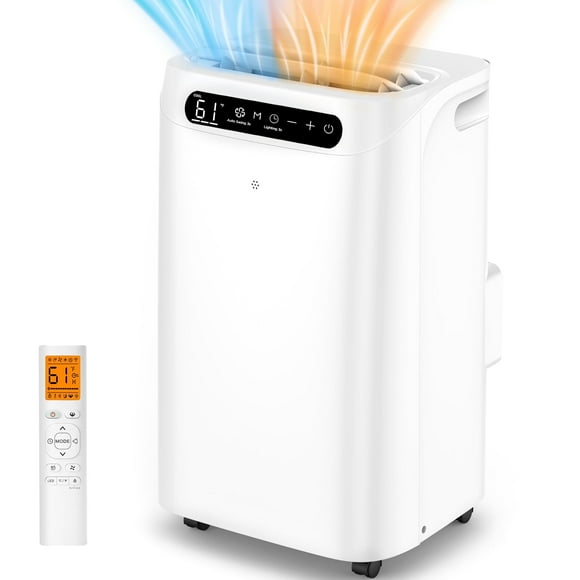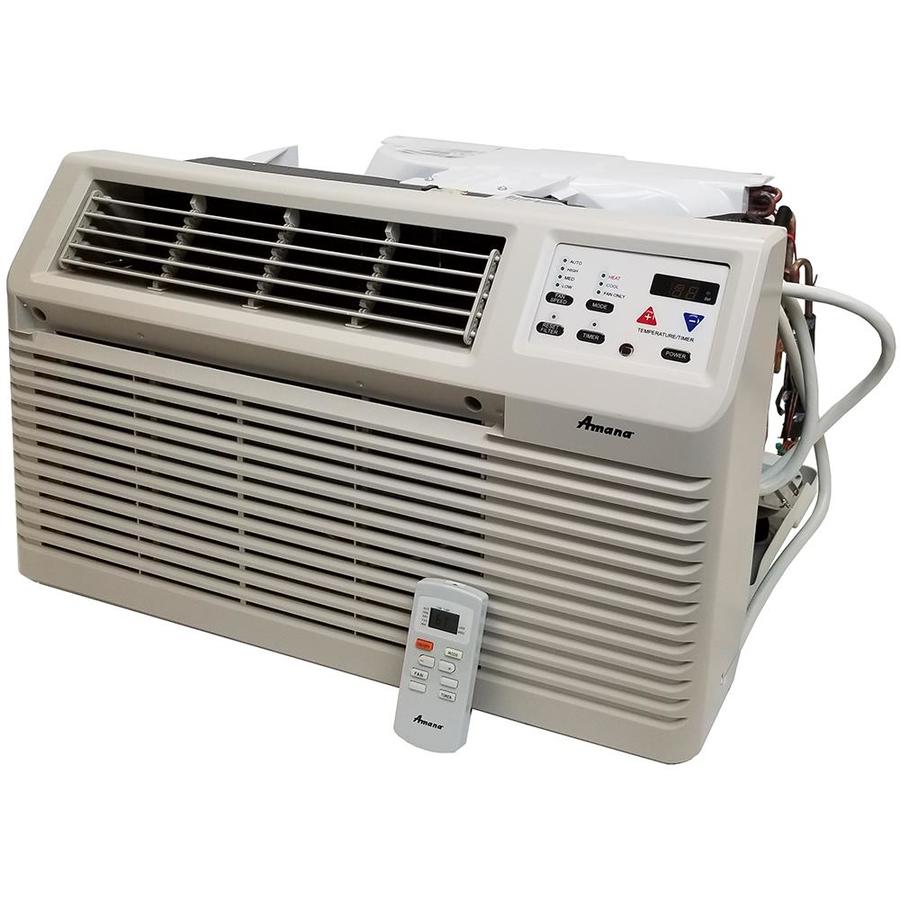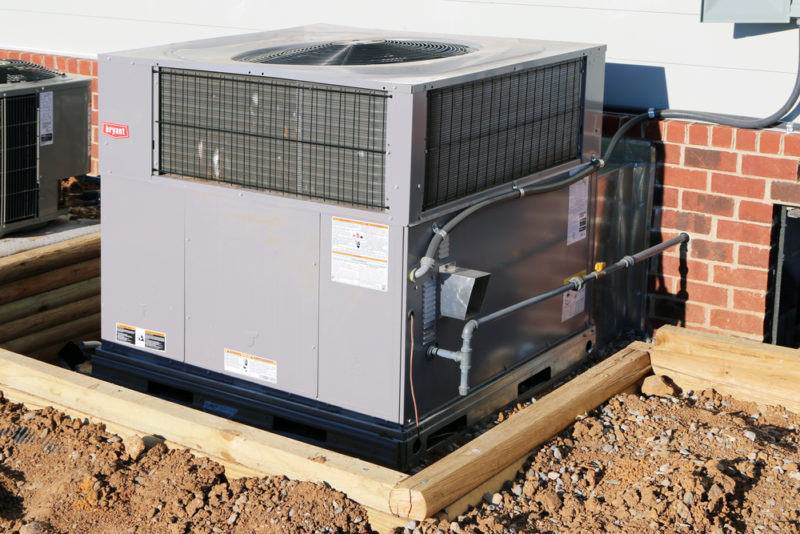
Have you ever stopped to wonder about the silent heroes keeping us perfectly comfortable, no matter what the weather outside is doing? It's pretty amazing when you think about it: one moment we're shivering, the next we're basking in warmth; then, as summer arrives, the same system magically cools us down. This isn't magic, of course, but rather the ingenious technology behind the heat and AC unit all in one. It's a fascinating blend of engineering that many of us encounter daily without giving it a second thought, and diving into how it works is surprisingly fun!
At its core, the purpose of an all-in-one unit is elegantly simple: to provide complete climate control from a single system. Gone are the days of needing a bulky furnace in the basement for heat and a separate condenser unit outside for cooling. These integrated systems, often called packaged units or, more commonly, heat pumps, handle both tasks with impressive efficiency. The benefits are numerous: they save significant space, simplify installation, and often offer a more streamlined, quiet operation. Imagine only needing to maintain one system instead of two, or the peace of mind knowing your home or office is always just the right temperature, year-round, thanks to a single, smart solution. They represent a leap towards more efficient and less intrusive building climate control.
You'll find these clever machines everywhere once you start looking! In our daily lives, they're increasingly common in modern homes and apartments, especially those without basements or with limited outdoor space. Many small commercial buildings, like retail shops or doctor's offices, utilize rooftop packaged units that discreetly handle their entire climate needs. Even modular buildings, temporary classrooms, or remote cabins often rely on these versatile systems for quick and efficient comfort. In an educational context, understanding all-in-one units is crucial for students in HVAC (Heating, Ventilation, and Air Conditioning) programs, where they learn about thermodynamics, refrigerant cycles, and energy management. Physics classes might use them as a real-world example of heat transfer and energy conversion, while environmental studies could explore their role in sustainable building practices, particularly with the rise of highly efficient heat pumps.
Want to explore this technology further? It’s easier than you think! A simple tip is to observe the units around you. Notice the large boxes often found on the rooftops of commercial buildings – those are typically all-in-one packaged units. Or, if you have a modern home, research whether you have a heat pump, which looks similar to an AC condenser but provides both heating and cooling. Play around with your own thermostat; understanding its settings can reveal how it commands your system to switch between heating and cooling modes. For a deeper dive, consider reading up on how heat pumps work – they literally move heat from one place to another, rather than generating it, making them incredibly energy efficient. You could also chat with an HVAC technician next time they service your unit; they're often full of fascinating insights into these integrated comfort systems. It's a journey into the engineering that keeps our indoor worlds perfectly temperate, rain or shine.