Alright, folks, let's chat about something that sounds a bit scary but is totally manageable if you know the drill: a gas leak in your home. Now, nobody wants to think about this, right? It's like finding a spider in your shower – a definite "nope" moment. But just like knowing how to scoop up that eight-legged intruder, knowing what to do with a gas leak can save you a whole lot of drama.
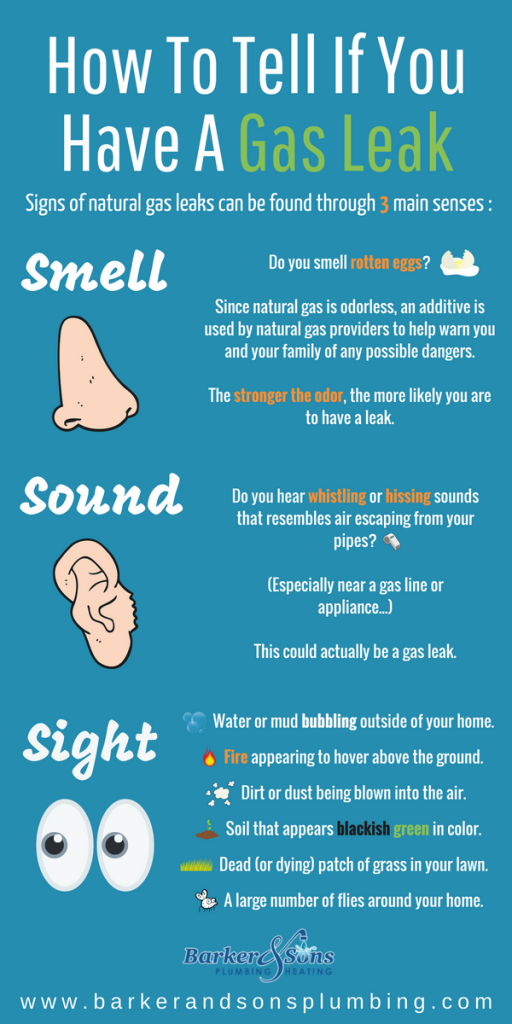
Imagine this: You walk into your kitchen, ready to conquer your morning coffee, and suddenly, your nose wrinkles. "What's that smell?" you think. It's not your teenager's gym socks (though that's a close second in the "mystery odor" olympics). It's not the questionable leftovers from last Tuesday. It's that distinct, kinda-sorta rotten egg, sulfur-y smell. Y'know, the one that makes you instinctively say, "Ew." That, my friends, is likely the special additive in natural gas designed to yell, "Hey! Something's up!" because natural gas itself is actually odorless.
First things first: Don't Panic (Easier Said Than Done, I Know)
Your gut reaction might be to freeze, or maybe to sprint around like a headless chicken. Resist! Take a deep breath (preferably not a giant lungful of mystery gas). The key here is to act calmly and quickly. Think of yourself as a secret agent on a mission: stay cool, follow the protocol.
Step 1: No Sparks, No Switches, No Shenanigans!
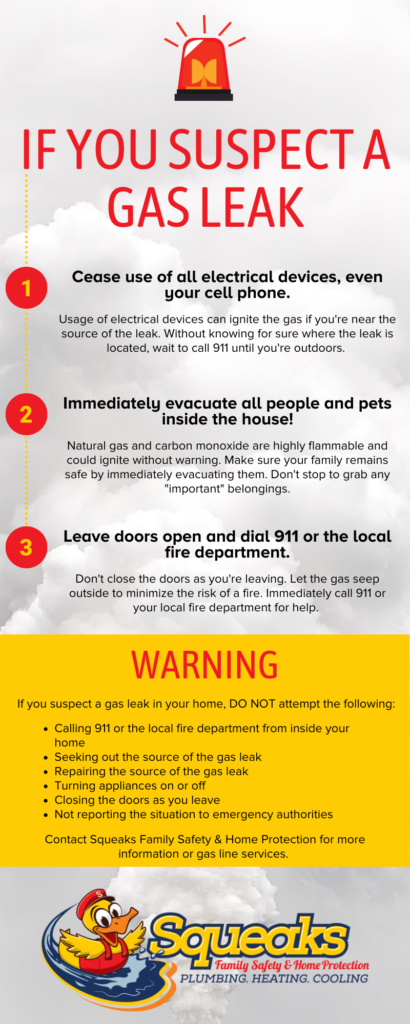
This is the big one. Seriously. Gas + Spark = Bad News Bears. So, this means:
- DO NOT turn on or off any lights. Your light switch is now a tiny, tempting explosion button.
- DO NOT use any appliances. No fridge opening for a sniff test. No microwave for a last-minute breakfast burrito.
- DO NOT use your phone inside the house. Even texting your BFF "OMG I smell gas!" can create a tiny spark. Leave that bad boy in your pocket and step outside before you start dialing.
- DO NOT light candles, matches, or anything else that brings fire into the equation. This should be obvious, but panic makes people do weird things.
- DO NOT mess with electrical outlets or anything that plugs in. Just pretend everything electrical is highly contagious.
Basically, if it makes a noise, lights up, or plugs into the wall, hands off! Treat your house like it's full of sleeping dragons, and any disturbance could wake them up.
Step 2: Open Everything Up! (And We Mean Everything)
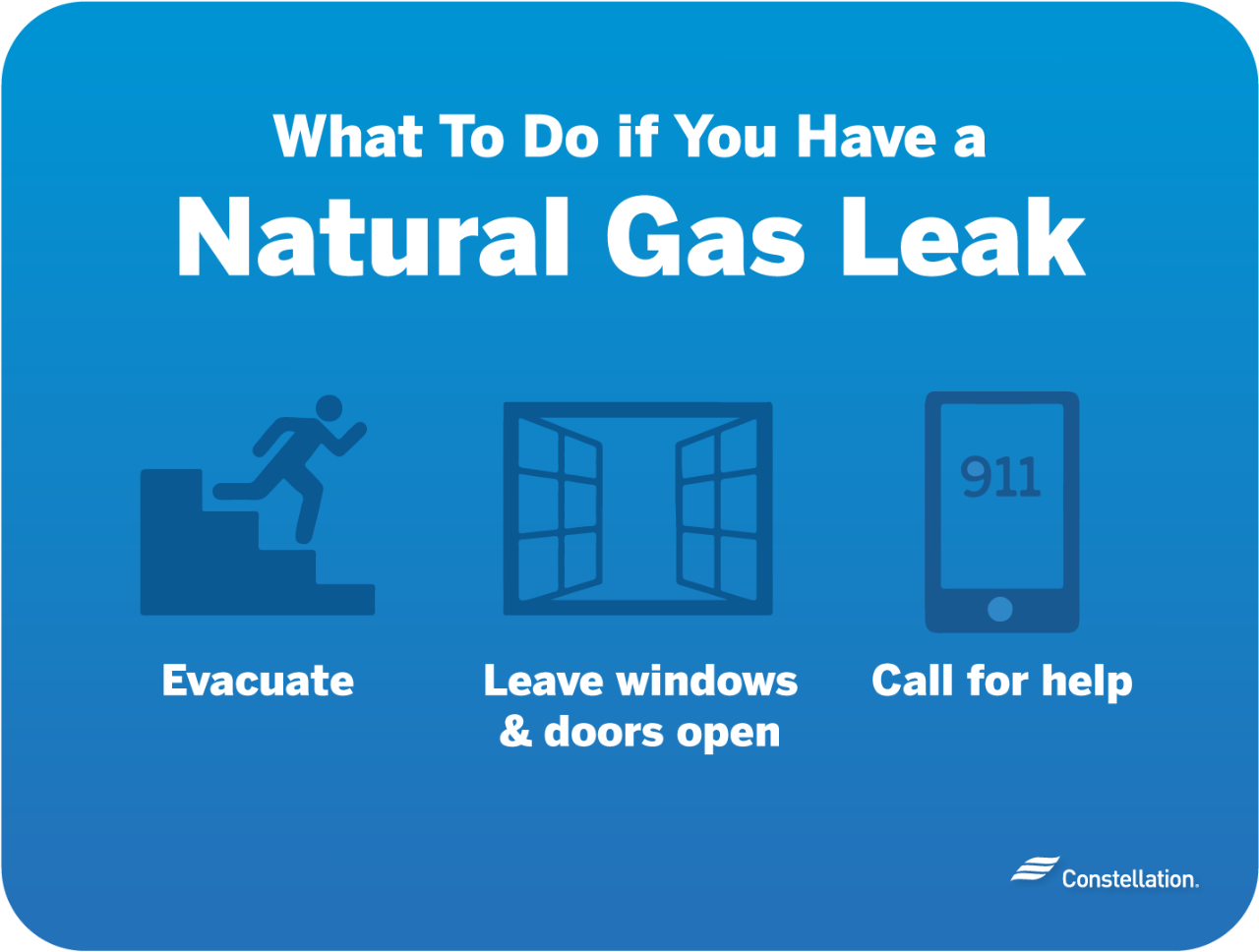
Your mission, should you choose to accept it, is to get that funky gas out of your house. Throw open all the windows. Swing open all the doors. Let's get a nice cross-breeze going, like you're airing out the lingering smell of last night's burnt popcorn disaster. Ventilation is your friend. Think of it as giving your house a big, fresh gulp of outdoor air.
Step 3: Get Out, And Stay Out!
Once you've ventilated (as much as you safely can without fiddling with switches or lingering), it's time to evacuate. Grab your pets if they're easy to snatch up, but don't go on a wild goose chase. Your safety is paramount. Get everyone – two-legged, four-legged, or scale-covered – out of the house immediately. Walk, don't run, to a safe distance. Think of it like a fire drill, but instead of just standing outside, you need to be far enough away that if something *did* happen, you'd be totally clear.
Step 4: Call for Help (From a Safe Distance, Remember?)
Once you're outside and a good distance away from your house, *then* you can whip out your phone. The number you need to call? Your natural gas provider's emergency line. This is usually a 24/7 hotline, and they are the experts. Don't call 911 first unless there's an immediate fire or explosion, as the gas company is specifically equipped for leaks. They'll tell you what to do next and send someone over faster than you can say "rotten eggs."
Step 5: Wait Patiently, Don't Go Back In
This is the hardest part for some. Your house might look perfectly normal, and you might be tempted to pop back in for your wallet, your phone charger, or that half-eaten sandwich. Don't. Do. It. Wait for the professionals. They have the right equipment to assess the situation safely. Going back in is like trying to pet a sleeping bear – it might seem fine, but it's a really bad idea.
So there you have it! A gas leak isn't the end of the world, and it certainly doesn't have to be a panic-inducing catastrophe. Knowing these simple steps means you're prepared, you're calm, and you're ready to handle it like the cool, collected homeowner you are. Stay safe out there, and may your home always smell of freshly baked cookies, not sulfur!