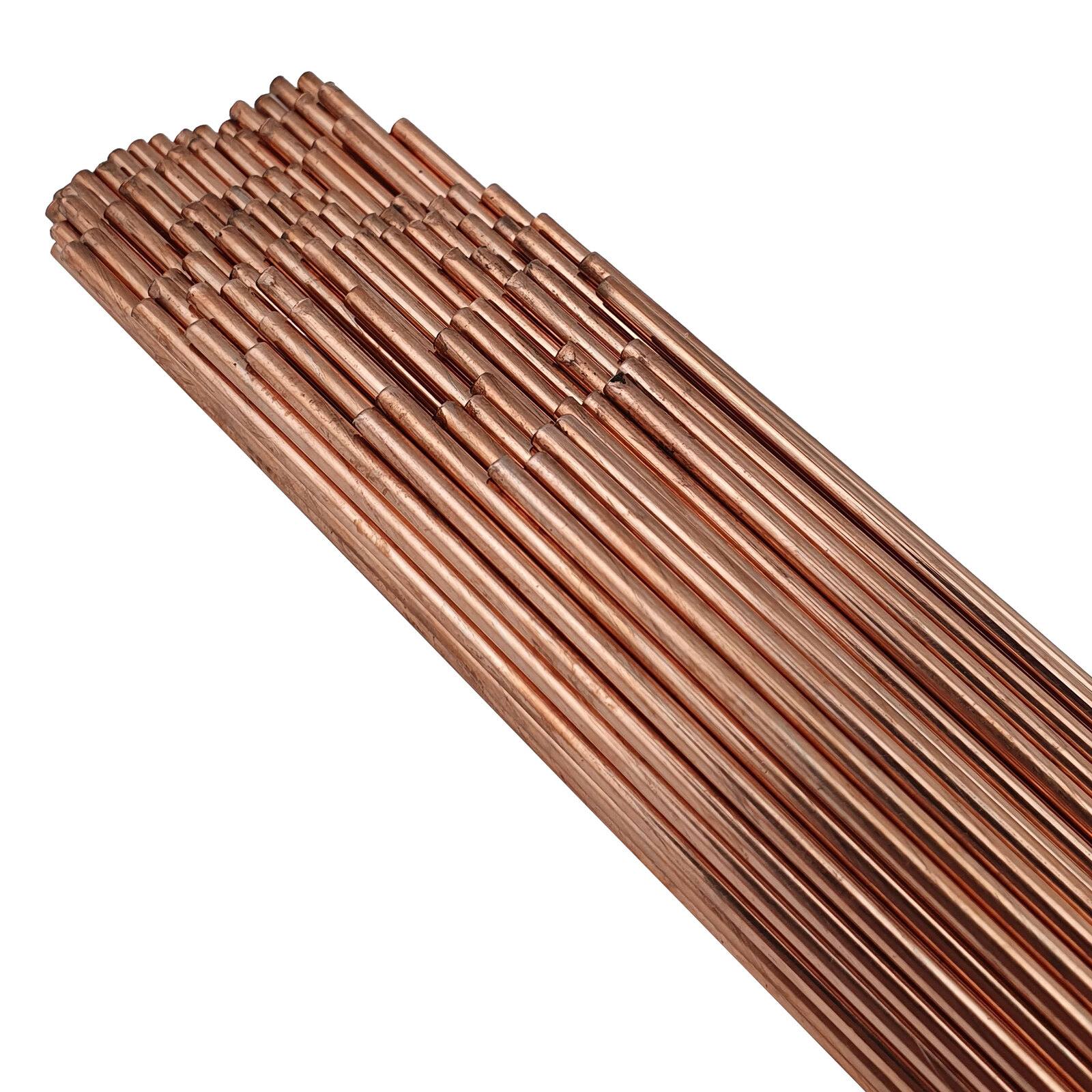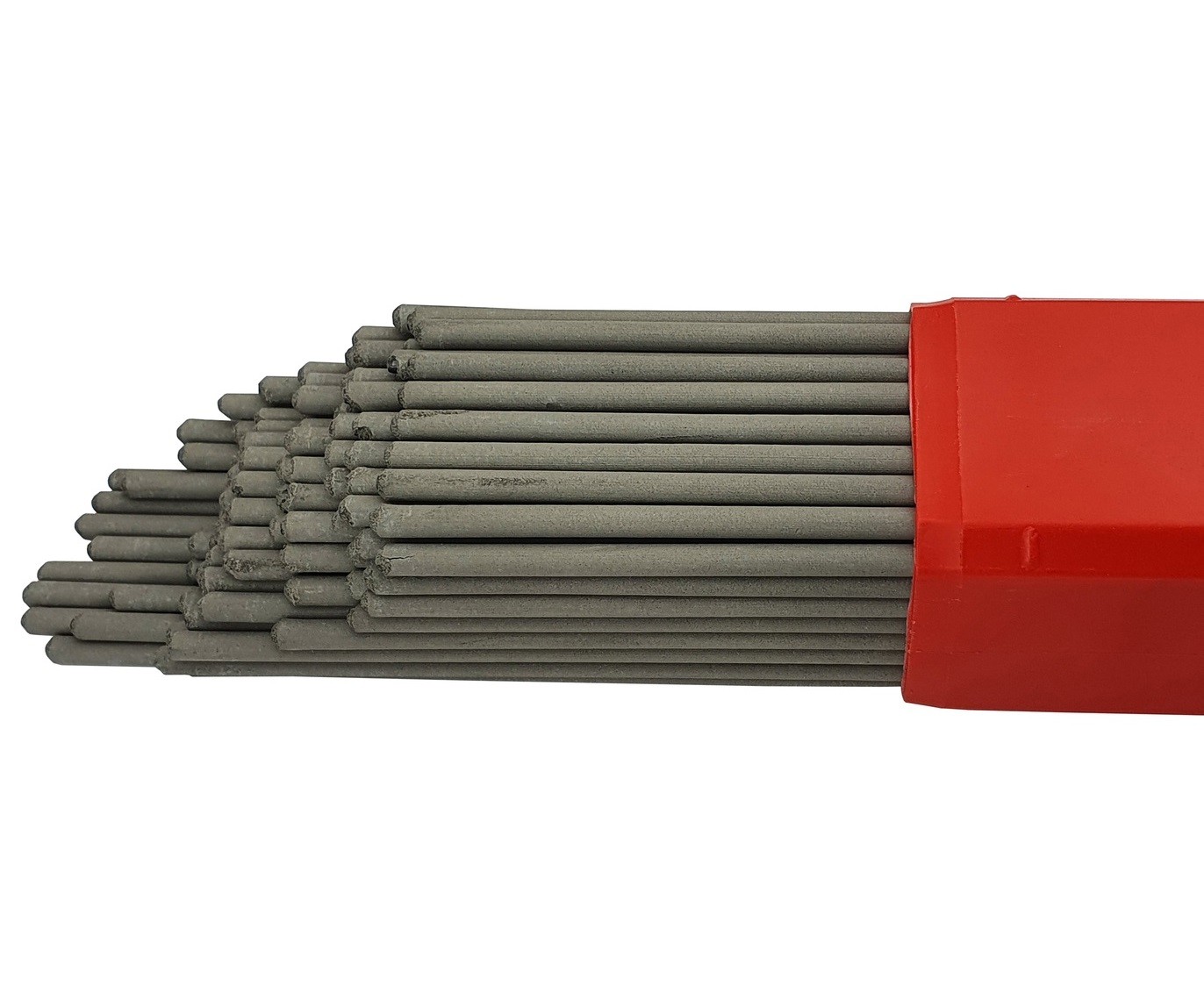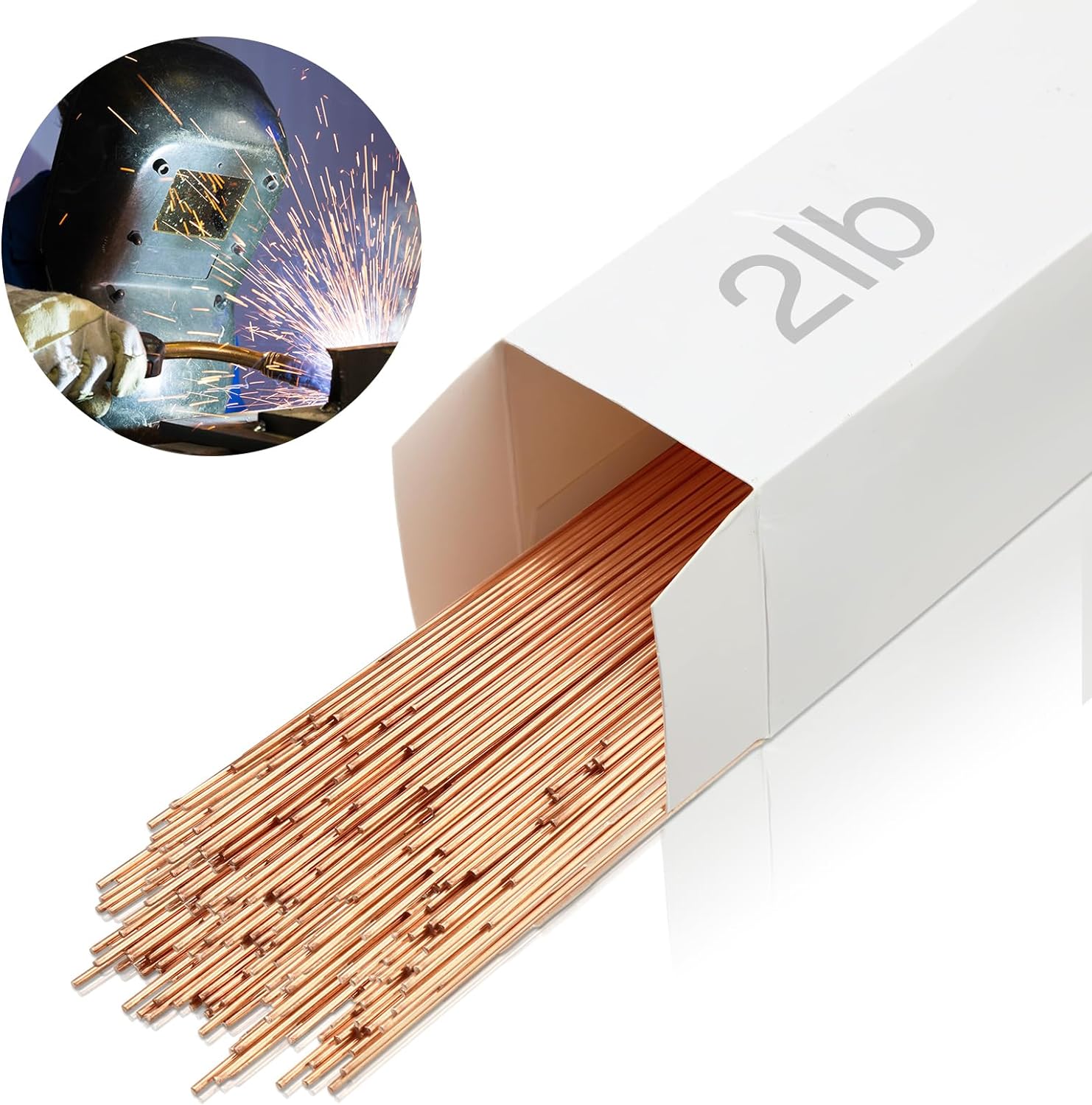
Alright, so picture this: you're in the shop, coffee steaming, and you're about to tackle a carbon steel project. Maybe it's a bracket, a frame, or just some funky art piece. Whatever it is, you've got your welder, your steel, and then... *that moment*. The moment you reach for the filler rod. Ever stare at the options, feeling a tiny bit overwhelmed, or just blindly grab whatever's closest? Yeah, me too sometimes. But choosing the *right* filler rod for carbon steel? Oh boy, that's where the magic really happens, and frankly, where a lot of headaches can be avoided!
Why Even Bother With the Right Rod?
I mean, isn't metal just metal? And doesn't wire just melt? Well, kinda, but also *not really*. Think of your filler rod as the superglue, the mortar, the secret ingredient that makes your weld strong, beautiful, and most importantly, not fall apart when you look at it funny. It's not just about filling a gap; it's about creating a bond that's as strong, or even stronger, than the base metal itself. Seriously, nobody wants a crumbly weld. Just saying.
When you're dealing with carbon steel, which, let's be honest, is probably 90% of what most of us are zapping together, the filler rod is absolutely crucial. It's gotta play nice with the base metal, handle the heat, and often, it needs to clean up any little impurities lurking in your joint. Because, let's face it, our steel isn't always perfectly pristine, right? Life happens!
Enter the ER70S-X Family: Your Carbon Steel Companions
Okay, deep breath. We're not going full-on metallurgy professor here, I promise. But when you see "ER70S-X" on a spool, it's actually telling you a whole lot. "ER" just means it's an electrode rod – basically, a fancy way of saying it's the stuff you melt. The "70" is super important: it means your weld will have at least 70,000 pounds per square inch (psi) of tensile strength. That's pretty beefy, huh? And the "S" means it's a solid wire, not flux-cored. So far, so good?
Now, the "X" part? That's where things get interesting, and where you make your big decision. For carbon steel, you're usually going to be looking at ER70S-6 or ER70S-2. These are your everyday heroes, your go-to guys, your peanut butter and jelly of welding carbon steel. Let's break 'em down, shall we?
ER70S-6: The All-Around Workhorse (and My Personal Fav)
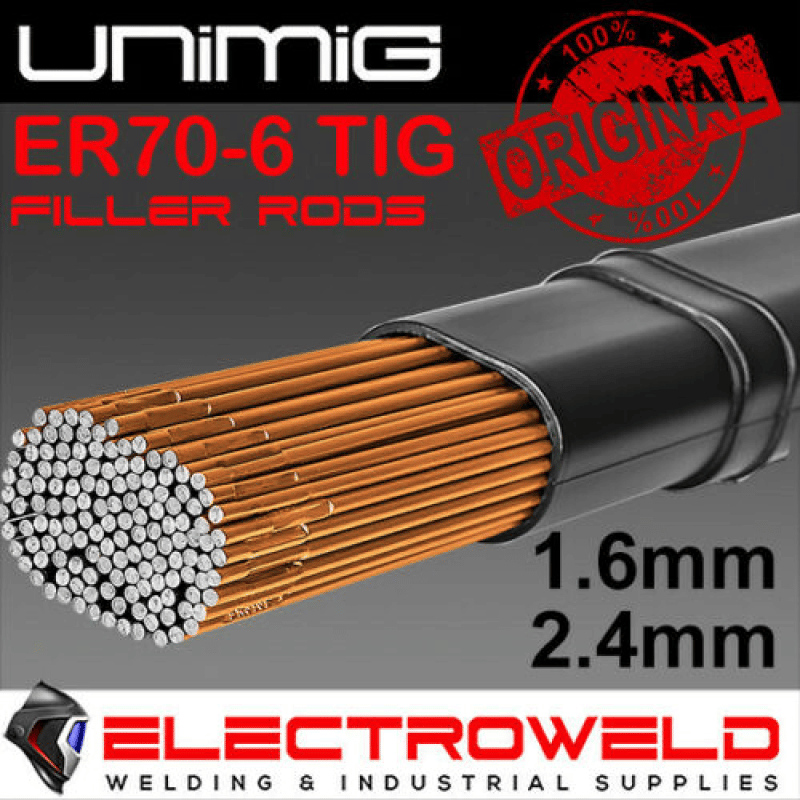
If you're asking, "What's the most common MIG wire for carbon steel?" the answer is probably ER70S-6. This bad boy is like the Swiss Army knife of filler rods. It's got extra deoxidizers in it – think of them as little impurity-eating ninjas. This means it's super forgiving when your metal isn't perfectly spotless, or if there's a tiny bit of mill scale. And let's be real, whose material is *always* perfectly clean and rust-free? Not mine! It gives you a nice, stable arc, minimal spatter (if your settings are dialed in, of course!), and generally just makes for a pretty bead. It's awesome for both single-pass and multi-pass welding, and it's happy with CO2 or mixed gas. Basically, it's your friend for most general fabrication, repairs, and just about anything you'd throw at your carbon steel.
So, if you're ever in doubt, or just need a good all-rounder for carbon steel, grab the ER70S-6. You'll thank me later.
ER70S-2: The "Clean Freak" (But Totally Worth It)
Okay, so ER70S-6 is great, but sometimes, you need something a little... *fancier*. That's where ER70S-2 comes in. This one has even *more* deoxidizers than the -6, including some extra goodies like titanium and zirconium. What does that mean for you? It means this rod is absolutely brilliant for welding on metal that's not perfectly clean, has a bit of rust, or even some oil. But here's the kicker: it’s often preferred for root passes, especially if you're TIG welding or doing critical work. It makes a super clean, strong, and deeply penetrating weld, which is fantastic for joints that need to hold up under serious stress.
You'll often see welders reach for ER70S-2 when they're working with thinner gauges, doing open root joints, or when they just want that extra peace of mind that their weld is pristine. It’s a little more expensive, usually, and maybe not as common in every big box store, but for those times when you really want to impress, or when the job demands it, the -2 is your go-to for maximum impurity-scavenging power and beautiful, clean results. Think of it as the surgical steel of filler rods.
Quick Tips & A Little Friendly Nudging
- Match Your Metal: Always, always, always try to match your filler metal to your base metal. For carbon steel, sticking with the 70S family is generally a safe bet.
- Keep it Dry: Moisture is the enemy! Store your filler rods in a dry place. Humidity can mess with their properties and lead to ugly, porous welds. Nobody wants that, right?
- Don't Be Afraid to Experiment (Safely): If you're new to this, maybe try both the -6 and the -2 on some scrap carbon steel. See which one you like better, how it runs for you, and what results you get. It's all about practice!
- Read the Label: Seriously, those little labels on the spool or box aren't just for decoration. They contain all the important info you need.
At the end of the day, picking the right filler rod for carbon steel isn't rocket science, but it *is* important. It’s about understanding what your project needs, what your base metal is doing, and then confidently grabbing the rod that's going to give you the strongest, prettiest, and most reliable weld. So next time you're about to strike an arc on carbon steel, take a second. Which hero are you grabbing? The versatile ER70S-6, or the super-clean ER70S-2? Either way, you're now armed with the knowledge to make a damn good decision. Now go make some sparks fly!