Ah, summer! The season of sunshine, long days, and that inevitable moment when the mercury starts to climb. Before you reach for the thermostat and brace for a hefty electricity bill, let's talk about an unsung hero of home comfort: the humble fan. We’ve all felt that immediate, delightful rush of air when a fan kicks on, instantly making a stuffy room feel breathable again. It's a simple pleasure, an affordable luxury, and a surprisingly effective tool in our perennial battle against the heat.
The beauty of a fan lies in its elegant simplicity. Unlike air conditioners that actively cool the air, fans work by creating a wind-chill effect. They move air across your skin, accelerating the evaporation of sweat, which in turn makes you *feel* cooler. It’s a subtle yet powerful trick of physics, providing a refreshing sensation without actually lowering the ambient temperature. This makes fans incredibly energy-efficient, offering significant relief for a fraction of the cost of running an AC. Beyond personal comfort, fans also serve a vital purpose in air circulation, preventing stagnant air and making any space feel lighter and fresher.
You’ll find fans in all shapes and sizes, each with its own niche. There are the majestic ceiling fans, quietly whirring above us, a permanent fixture in many homes. Then we have the versatile portable fans: oscillating tower fans for wide coverage, compact desk fans for personal breezes, and powerful box fans perfect for moving serious air. Whether you're trying to cool down a bedroom, circulate air in a living room, or simply enjoy a gentle breeze on your porch, there’s a fan designed for the job.
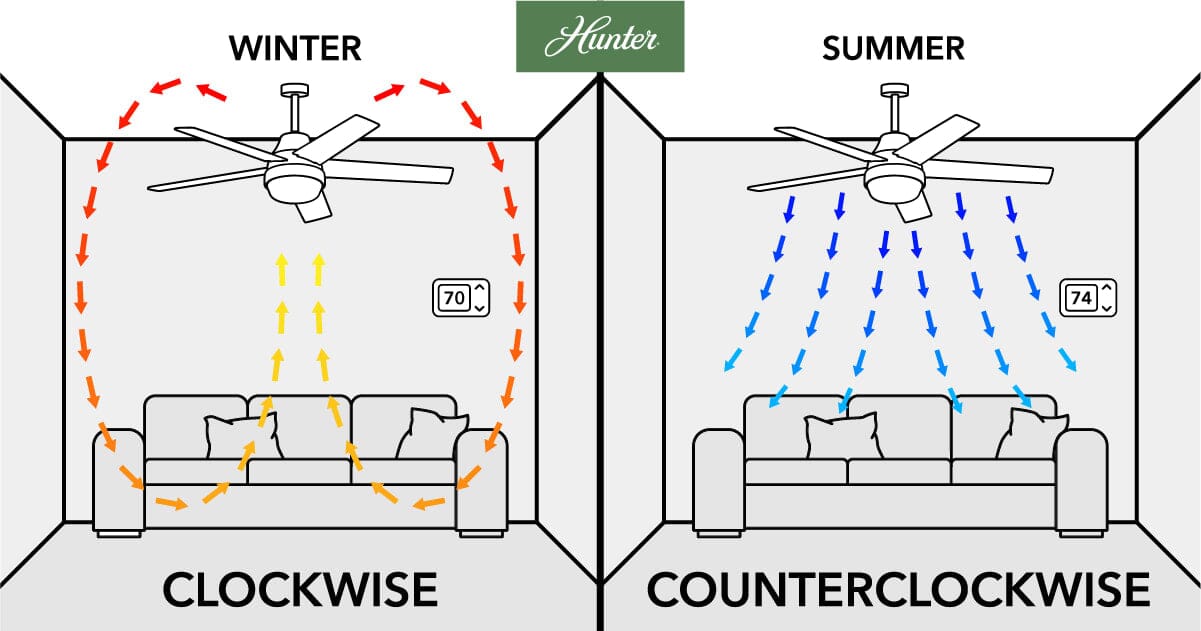
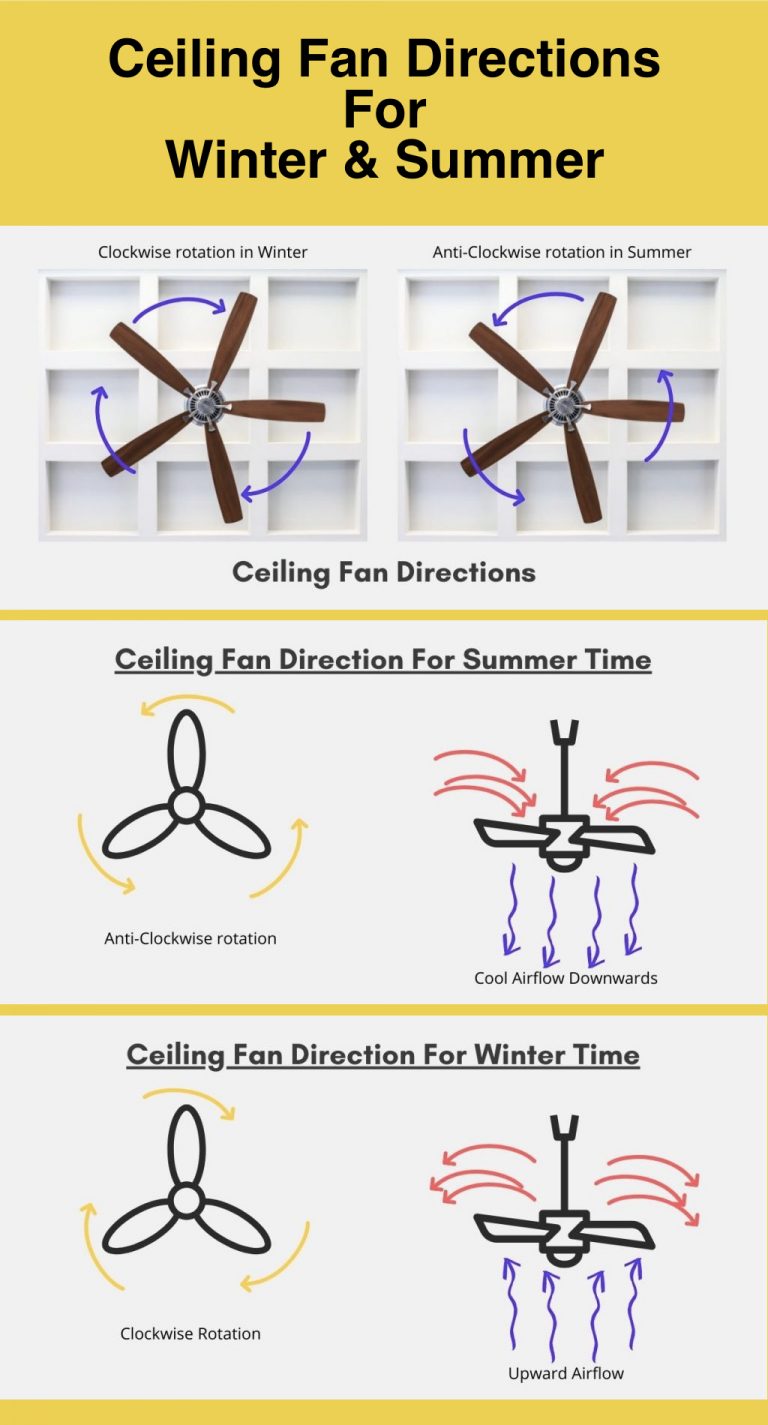
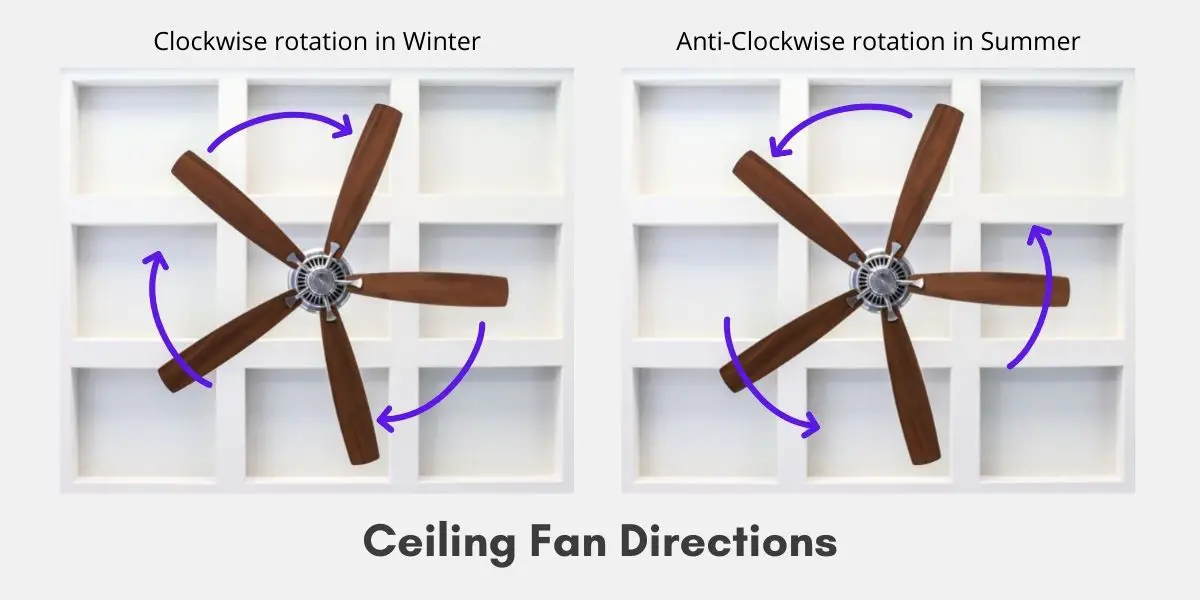
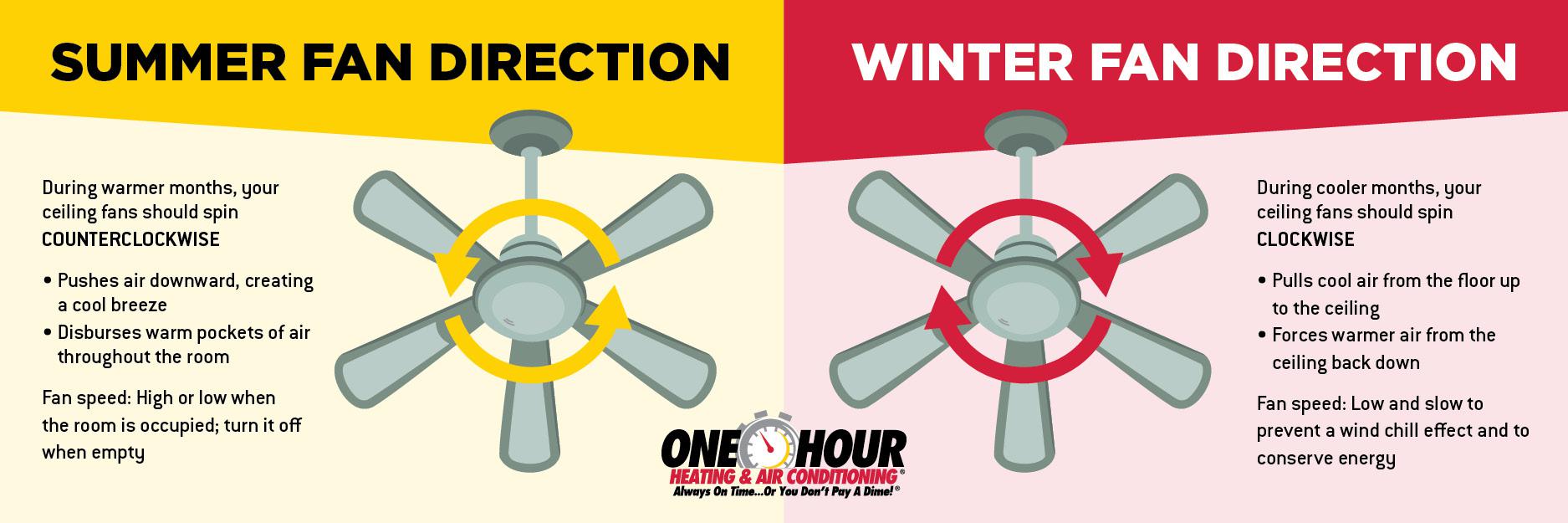
But here’s the million-dollar question, especially when it comes to ceiling fans: which way should they go in summer? For maximum cooling in warmer months, your ceiling fan blades should spin counter-clockwise when you look up at them. This creates a strong downdraft, pushing air straight down onto you, generating that much-needed wind-chill effect. In contrast, during winter, you'd switch them to clockwise to gently pull warm air upwards, redistributing it without creating a chilling breeze. This simple flip of a switch (often located on the fan’s motor housing) can dramatically enhance your comfort!
For your portable fans, placement is key. If it's cooler outside in the evening than it is indoors, strategically place a fan near an open window, facing inwards, to pull that fresh, cool air into your home. Or, for a powerful airflow strategy, create a cross-breeze: position one fan facing outwards in one window to push hot air out, and another fan facing inwards in an opposite window to draw cooler air in. For direct relief, simply aim a fan directly at yourself – even a small desk fan can make a big difference to your personal comfort zone. And remember, pairing fans with air conditioning can make your AC work smarter, not harder, allowing you to set the thermostat a few degrees higher while still feeling perfectly cool. So go on, embrace the whir; your summer self will thank you!