Ever walked into a room on a sweltering day, flipped on the fan, and felt... well, nothing? Or maybe you've been in a smaller space where the fan felt like it was trying to take off and lift the roof with it? If you've nodded along to either of those scenarios, then welcome to the curious world of fan sizing!
It might sound a bit like a highly specific interior design secret, but trust us, understanding fan size based on room dimensions is less about rocket science and more about finding your perfect breezy sweet spot. It's one of those things you don't really think about until you get it wrong, and then suddenly, it's all you can think about!
Why Your Fan's Size is a Bigger Deal Than You Think
Imagine trying to cool down a stadium with a tiny handheld fan. Hilarious, right? Or trying to dry your hair with a leaf blower – effective, maybe, but probably not ideal for your eardrums or your hairstyle. This might be a slightly exaggerated comparison, but it perfectly illustrates why matching your fan to your room's scale is so important. It's all about moving air efficiently and effectively.
Think about it: a fan's main job is to circulate air, right? To create that lovely, gentle breeze that whispers away the heat and makes a stuffy room feel fresh. But if the fan is too small for the space, it's like asking a kitten to herd a flock of sheep. Cute, but ultimately ineffective at its primary task. The air just won't move enough to make a difference across the entire room, leaving you feeling just as hot and bothered as before.
Conversely, a fan that's too big for a small space can be total overkill. Not only can it look visually overwhelming, dominating the ceiling rather than blending in, but it might create an almost uncomfortable wind tunnel effect, pushing air around with too much gusto. Plus, larger fans often come with larger motors, which can sometimes mean more noise and potentially more energy consumption if not managed properly. You want a refreshing breeze, not a mini-hurricane indoors!
The Goldilocks Zone: Finding That "Just Right" Breeze
So, how do we find that magical Goldilocks zone where everything feels just right? It really boils down to ensuring your fan can effectively circulate the air in your specific room without overdoing it or underperforming. It's about striking a balance between adequate airflow and comfortable ambiance, making your living space truly feel like an oasis.
When we talk about fan size, especially for ceiling fans, we're usually referring to the blade span – the total diameter covered by the rotating blades when they're fully extended. This span directly relates to how much air the fan can push around. The bigger the span, generally, the more air it can move. But, as we've learned, more isn't always better if your space is petite!
A Quick & Cheerful Guide to Matching Fans to Rooms
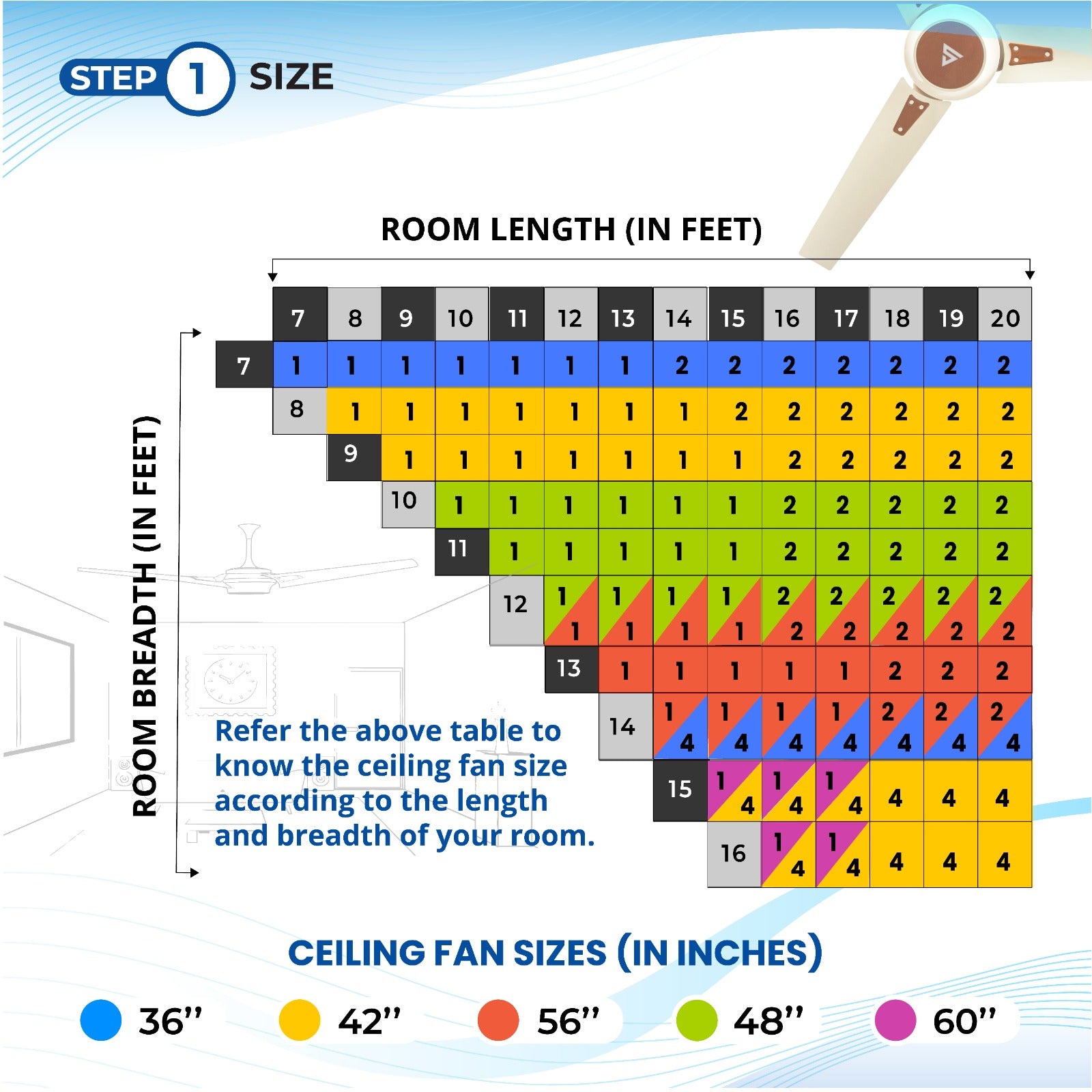
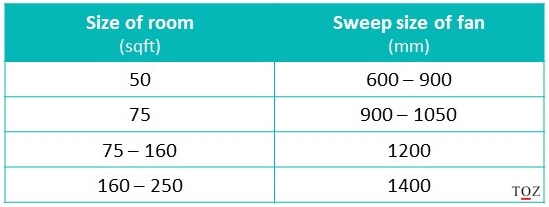
While there are technical specs like CFM (Cubic Feet per Minute) that pros use to measure a fan's power, for most of us, a general guideline based on room dimensions is perfectly sufficient. Let's keep it super simple and practical for your next home improvement project or fan upgrade:
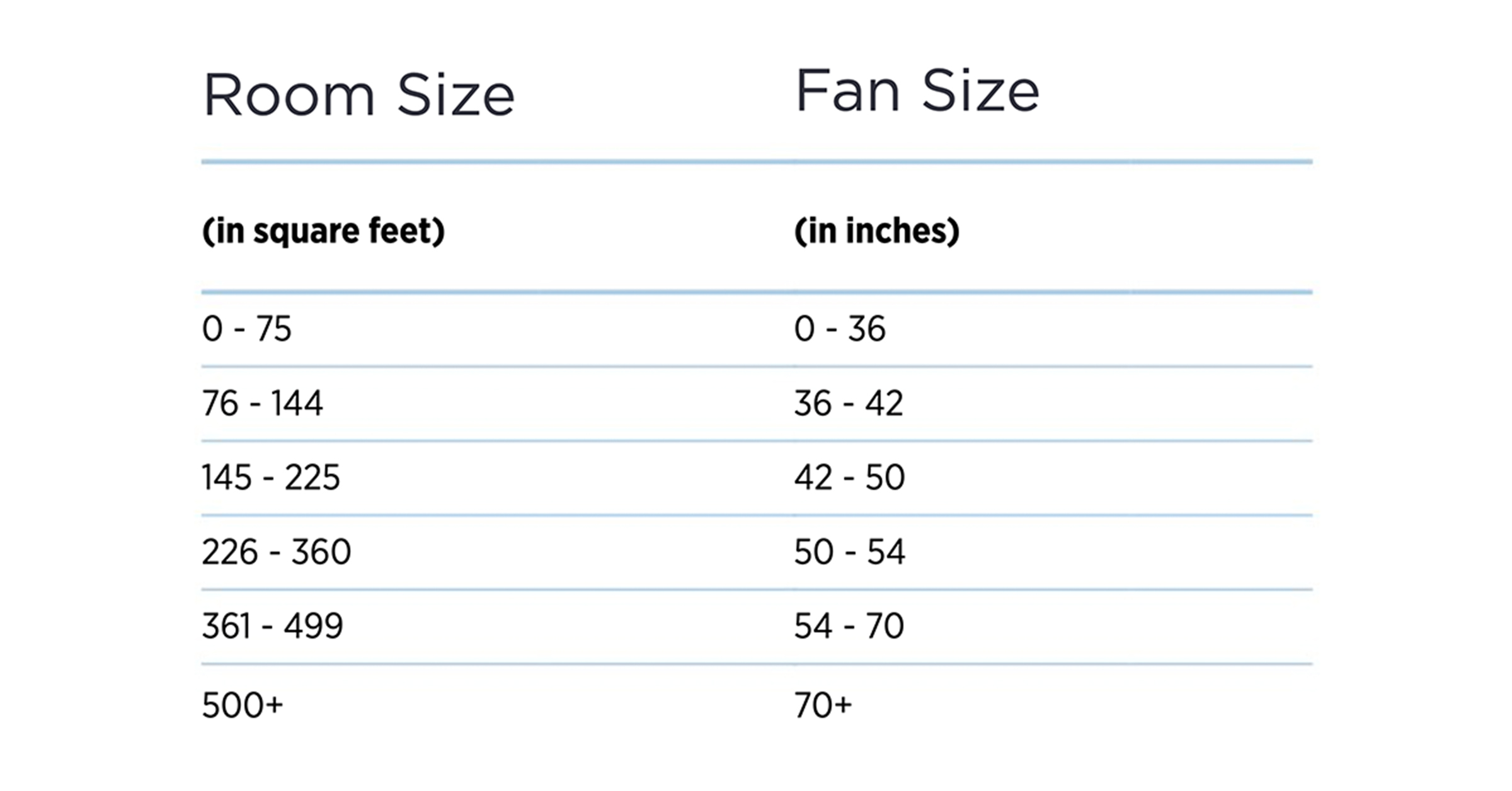
Small Rooms (think walk-in closet, tiny office, small bathroom – up to 75 square feet)
For these cozy nooks, a fan with a blade span of around 24 to 36 inches is usually ideal. These are often called "hugger" fans or smaller-diameter options, designed to fit snugly against the ceiling. They provide just enough gentle circulation without turning your tiny space into an overwhelming wind tunnel. Think of it as a quiet personal breeze.
Medium Rooms (bedrooms, standard offices, kitchens – 76 to 144 square feet)
This is where most standard ceiling fans live, and it's probably the most common room size people encounter. A span of 42 to 48 inches is often the sweet spot here. They'll keep the air moving nicely, making your everyday spaces feel much more pleasant and less stuffy. This is perhaps the most versatile fan size you'll find.
Large Rooms (living rooms, master bedrooms, dining rooms – 145 to 225 square feet)
For these more expansive areas, you're looking at fans in the 50 to 54-inch range. These larger spans are designed to cover more ground, ensuring that everyone in the room can enjoy the refreshing breeze, whether they're lounging on the couch, working at a desk, or gathering around the dining table. They're real workhorses for bigger spaces.
Great Rooms & Open Concepts (large living areas, lofts, open-plan spaces – 225 to 400+ square feet)
Got a really big space or an open-plan layout that connects several zones? You might need a fan with a significant span, perhaps 56 to 72 inches or even larger. Sometimes, for truly massive spaces, people even opt for two appropriately sized fans to ensure even coverage. It's like having multiple mini-weather systems working in harmony to create a consistently cool environment!
Beyond Just Square Footage: A Few Extra Pointers
While room size is king, a couple of other things can subtly influence your fan choice and performance:
- Ceiling Height: If you have really tall ceilings (over 9 feet), you might need a longer downrod to bring the fan blades closer to where people actually are, maximizing its effectiveness. The fan needs to be in the "zone" to do its best work!
- Room Shape: An L-shaped room or a very long rectangular space might benefit more from two smaller fans than one giant one, ensuring better, more consistent airflow distribution across the entire area.
- Your Personal Preference: Do you like a gentle whisper of air, or do you crave a noticeable gust? While sizing guides are great starting points, your personal comfort level is always the ultimate judge!
Why Bother With All This Fan-tastic Knowledge?
So, why is knowing all this so cool? Because getting the fan size right isn't just about technicalities; it's about comfort, efficiency, and aesthetics.
Think about the difference a perfectly sized fan makes: your room feels more comfortable without needing to constantly blast the AC. This means potential energy savings – a happier wallet and a happier planet! Plus, a fan that's appropriately sized and working efficiently tends to last longer, saving you hassle and replacement costs down the line. It integrates seamlessly into your space, enhancing it rather than overpowering it or being an overlooked, underperforming fixture. It truly transforms a room.
Next time you're eyeing a new fan or wondering why your current one isn't quite cutting it, take a moment to consider your room's dimensions. You might just unlock a whole new level of breezy bliss! It's a small detail that makes a surprisingly big difference in how you experience and enjoy your home every single day.