Water. We need it. We drink it. We shower in it. It’s kind of a big deal. But sometimes, there's not enough to go around. Cue the scarcity!
Physical vs. Economic Water Scarcity: A Crash Course (Kinda)
Think of water scarcity as two grumpy roommates arguing over the thermostat. One's always physically cold, the other just *feels* poor even if it’s tropical outside.
Physical Scarcity: Mother Nature's Playing Games
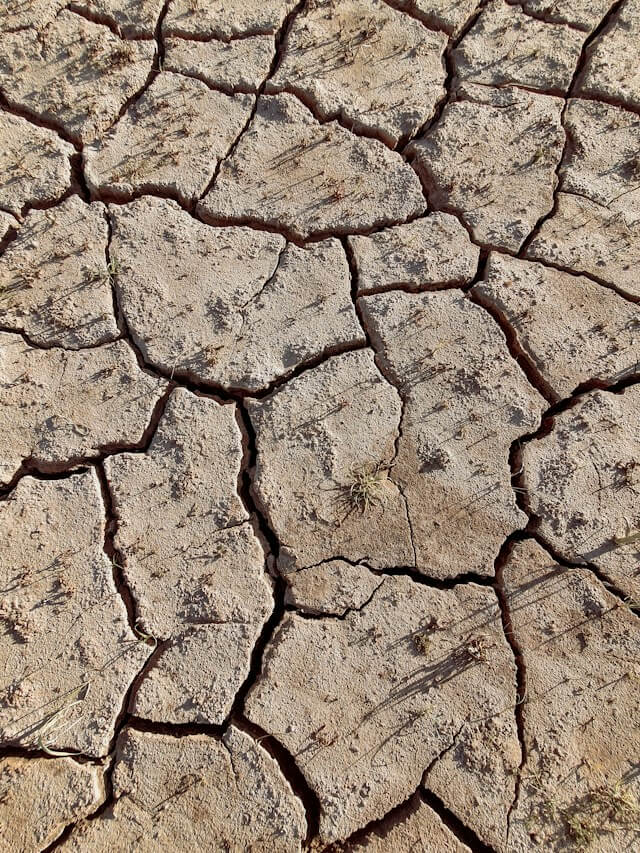
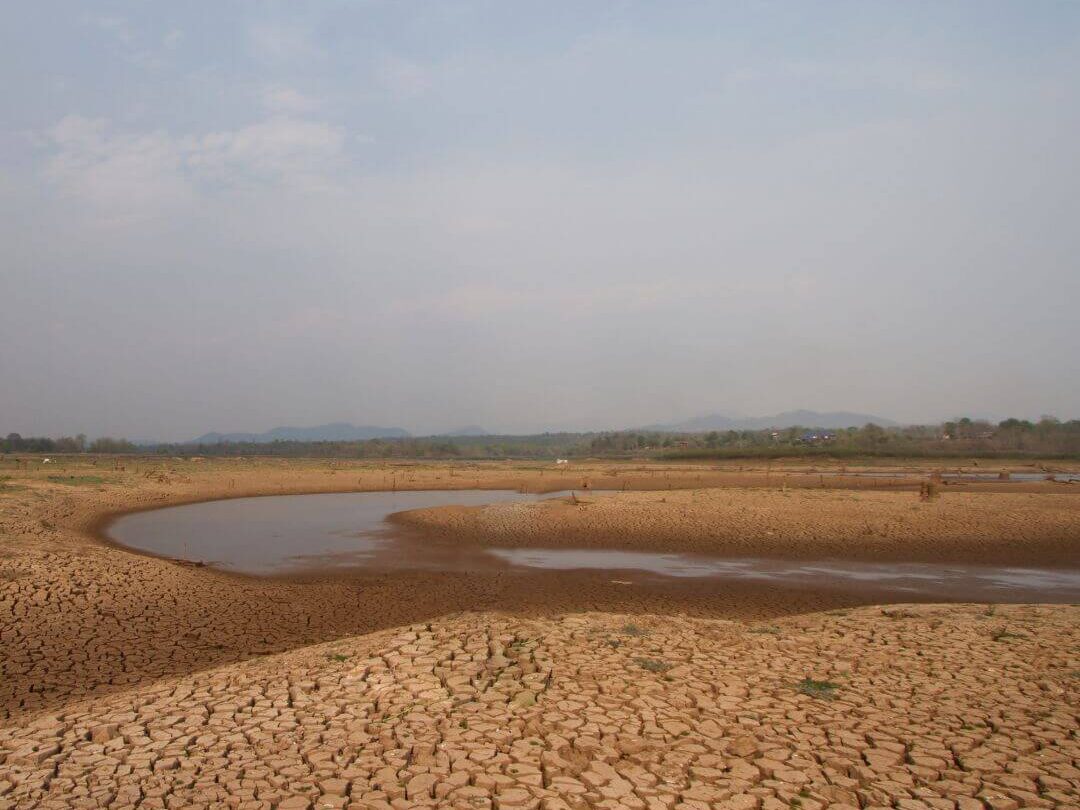
Physical water scarcity is when there’s literally not enough water. Think parched deserts. Or that time you accidentally left the hose running for 3 days.
This happens because rainfall is low. Or maybe glaciers are melting faster than your ice cream on a hot summer day. Or maybe too many people are drawing water from the same source.
Basically, there's just not enough H2O to satisfy everyone's needs. It's like trying to share one tiny pizza between twenty hungry teenagers.
Economic Scarcity: When Water's Too Pricey
Economic water scarcity is a trickier beast. There *is* water available. But people can't afford it, or it’s inaccessible.
Imagine a town sitting next to a giant lake, but the pipes are broken. Or the water treatment plant is older than your grandpa. Or the corrupt mayor is hoarding all the purified water for his golden toilet.
In these cases, people are water-stressed because of bad management or poverty. They might be able to see the water, but they can't get their hands on it.
The Unpopular Opinion Section (Brace Yourselves)
Okay, here's where I get controversial. Prepare to clutch your pearls.
I think economic scarcity is often more frustrating than physical scarcity. Why? Because it's often preventable!
A desert dweller expects to conserve water. They know the score. But when perfectly good water goes to waste because of incompetence or greed? That stings.
Let's Talk Solutions (Because Complaining Isn't Enough)
So, what can be done about these water woes?
For physical scarcity, we need smarter irrigation. Think drip irrigation, not flooding fields like it’s a biblical reenactment.
We also need to conserve. Shorter showers, people! And maybe think twice before watering your lawn in the desert.
And yes, addressing climate change is key. Melting glaciers are not a sustainable water source, folks.
For economic scarcity, the solutions are different. It requires investment in infrastructure.
We're talking fixing leaky pipes, building modern treatment plants, and ensuring fair water distribution.
It also means tackling corruption. Nobody wants to see water money lining the pockets of shady officials.
A Real-Life (Slightly Exaggerated) Example
Imagine two towns: Dry Gulch and Riverbend.
Dry Gulch is in the middle of a desert. They know water is precious. They’ve got sophisticated water recycling systems and everyone takes five-minute showers.
Riverbend sits on the banks of a mighty river. But their pipes are ancient. The water treatment plant is constantly breaking down, and the mayor just bought a solid gold yacht.
Which town is *really* worse off? Okay, Dry Gulch has it tough. But at least everyone is pulling in the same direction.
Riverbend has potential abundance, squandered by incompetence and greed. That’s got to be infuriating!
The Bottom Line (Before You Start Throwing Tomatoes)
Both physical and economic water scarcity are serious problems. They both threaten lives and livelihoods.
Physical scarcity highlights our dependence on nature and the need for conservation. Economic scarcity exposes the failings of our systems and institutions.
Maybe my unpopular opinion is just that. But I think addressing economic scarcity is often the lower-hanging fruit.
It requires fixing things we *can* control. Bad management, corruption, broken infrastructure. These are human problems, and humans can solve them.
Fighting climate change is a marathon. Fixing a leaky pipe is a sprint.
So, let's fix the leaky pipes. Let's hold our leaders accountable. And let's make sure everyone has access to clean, affordable water.
A Final Thought (Before I Get Cancelled)
Maybe, just maybe, if we fix the economic problems, we'll be better equipped to tackle the physical ones.
Stronger communities, better resources, and more effective governance. These all contribute to resilience in the face of environmental challenges.
So, before you blame Mother Nature, take a good look at ourselves. Are we doing everything we can to share the water we *do* have?
In Conclusion (and hopefully not in hot water!)
Understanding the difference between physical and economic water scarcity is crucial. It helps us target the right solutions.
Let’s work together to ensure everyone has access to this vital resource. Even if it means shorter showers and fewer golden yachts.
And hey, at least we learned something today! Now go drink some water. You deserve it.
Bonus Round: Water Wisdom!
Physical scarcity means not enough water exists. Economic scarcity means people can't access the existing water.
Conservation helps with physical scarcity. Better infrastructure and governance help with economic scarcity.
My unpopular opinion? Economic scarcity is often more frustrating because it's often preventable.
A little more serious note
Let's not forget the impact of *water pollution*. Even when water is physically available, it can be unusable due to contamination.
This adds another layer of complexity to both physical and economic scarcity, as cleaning polluted water often requires expensive technology and infrastructure.
Therefore, protecting water resources from pollution is crucial for ensuring water security for all.
Ultimately, achieving water security requires a holistic approach. It needs to address both the availability of water and the accessibility of water.
This includes investing in water infrastructure, promoting sustainable water management practices, and addressing the root causes of poverty and inequality.
By working together, we can overcome the challenges of water scarcity and ensure a sustainable future for all.