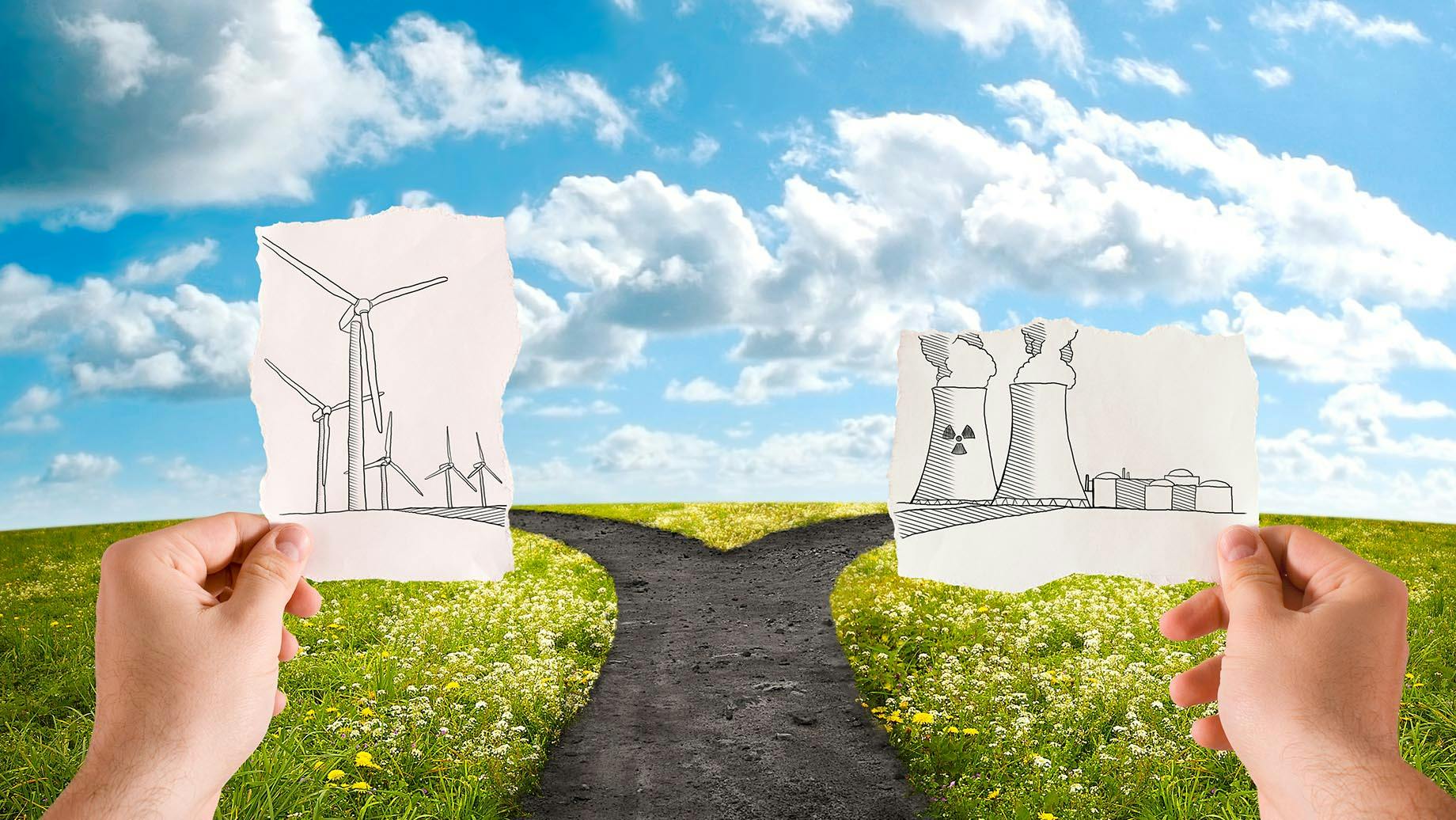
Okay, let's talk resources. We use them every single day, from the gas in our cars to the electricity powering our Netflix binges. But have you ever stopped to think about where these goodies come from and, more importantly, whether they'll stick around for the long haul?
Understanding the difference between nonrenewable and renewable resources is crucial, not just for eco-warriors, but for anyone who wants to leave a decent planet for future generations. Think of it as knowing the difference between raiding your grandma's vintage vinyl collection (nonrenewable) and streaming your favorite new artist on Spotify (renewable, as long as the energy powering it is, of course!).
Nonrenewable Resources: Use 'Em and Lose 'Em (Eventually)
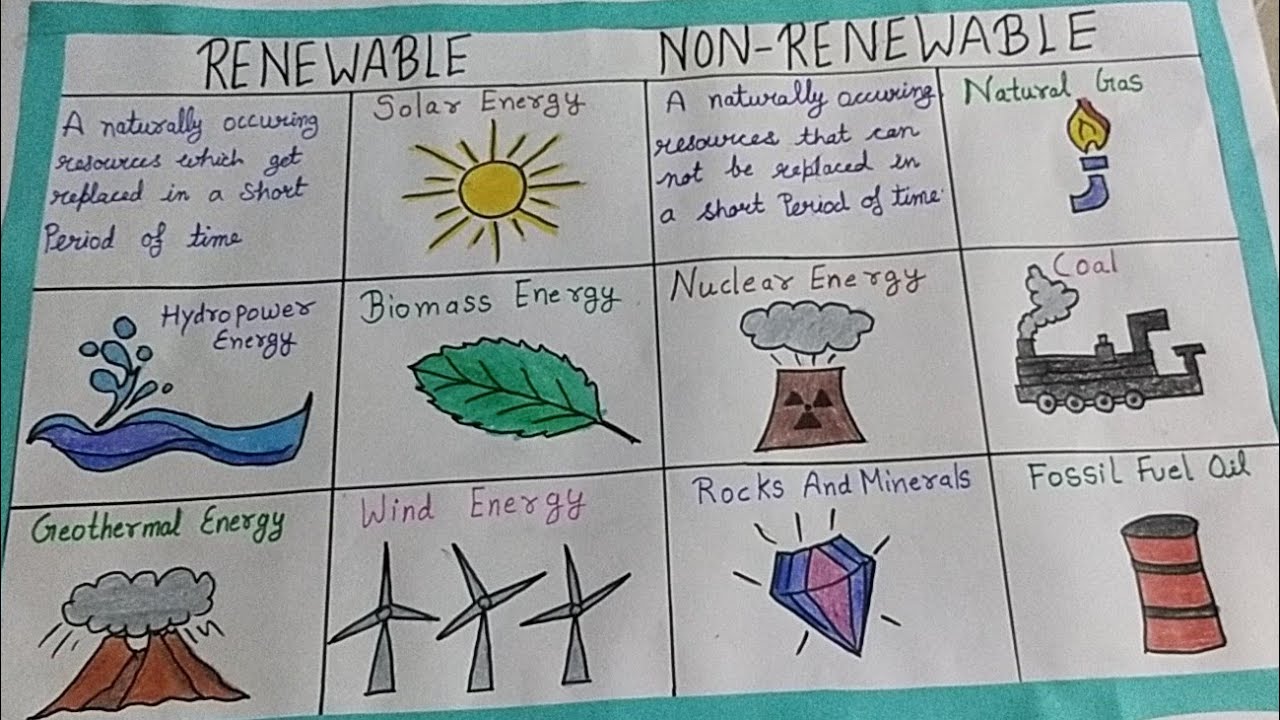
Let's start with the not-so-cheery news. Nonrenewable resources are those that exist in finite quantities. Once we use them up, that's pretty much it. They either take millions of years to replenish (think geological timescales!), or they simply don't replenish at all. These are the OGs of the energy world, the resources that fueled the Industrial Revolution and still power much of our modern lives.
The big players in the nonrenewable game include:
- Fossil Fuels: Coal, oil, and natural gas. These guys are formed from the remains of ancient plants and animals that decomposed over millions of years. We burn them to generate electricity, power vehicles, and heat our homes. Think of them as the dinosaurs' parting gift…a gift with some serious environmental strings attached.
- Nuclear Fuels: Primarily uranium. This radioactive element is used in nuclear power plants to generate electricity through nuclear fission.
Why are they a problem? Well, besides eventually running out, burning fossil fuels releases greenhouse gases like carbon dioxide, contributing to climate change. Mining and extraction can also have devastating environmental impacts, scarring landscapes and polluting waterways. It's like throwing a killer house party that leaves your apartment a disaster zone.
Fun Fact: Did you know that the energy equivalent of one barrel of oil (about 159 liters) took millions of years to form? Talk about a slow burn!
Renewable Resources: The Sustainable Superstars
Now for the good news! Renewable resources are those that can be replenished naturally over a relatively short period. They're like the gift that keeps on giving, the energy source that Mother Nature is constantly topping up.
The renewable rockstars include:
- Solar Energy: Harnessing the sun's power with solar panels. Free energy beaming down from the sky? Yes, please!
- Wind Energy: Using wind turbines to convert wind into electricity. Think windmills, but way more sophisticated.
- Hydropower: Generating electricity from the flow of water, usually through dams. Think Niagara Falls with a purpose.
- Geothermal Energy: Tapping into the Earth's internal heat to generate electricity or heat buildings. Think of it as Earth's natural hot springs powering your home.
- Biomass Energy: Burning organic matter, like wood or crops, to generate electricity or heat. This one's a bit more complex, as sustainability depends on responsible harvesting practices.
Why are they awesome? Renewable resources are, well, renewable! They also produce significantly fewer greenhouse gases compared to fossil fuels, helping to combat climate change. They're a win-win for the planet and future generations. It’s like switching from single-use plastic to reusable water bottles – good for you and the Earth!
Practical Tip: Consider installing solar panels on your roof or supporting companies that use renewable energy. Even small changes can make a big difference!
The Big Picture: Connecting to Daily Life
So, what does all this mean for you and me? Understanding the difference between renewable and nonrenewable resources isn't just about knowing the science; it's about making informed choices that impact our planet. From choosing energy-efficient appliances to supporting sustainable businesses, every little action counts.
Think about it: turning off the lights when you leave a room saves energy (and money!). Choosing to walk, bike, or take public transport reduces your reliance on fossil fuels. Even opting for a reusable water bottle over a disposable one helps conserve resources. These everyday choices, multiplied by millions of people, can create a real and lasting impact.
Let's be conscious consumers, informed citizens, and responsible stewards of our planet. The future of energy is in our hands, and it's time to choose wisely.