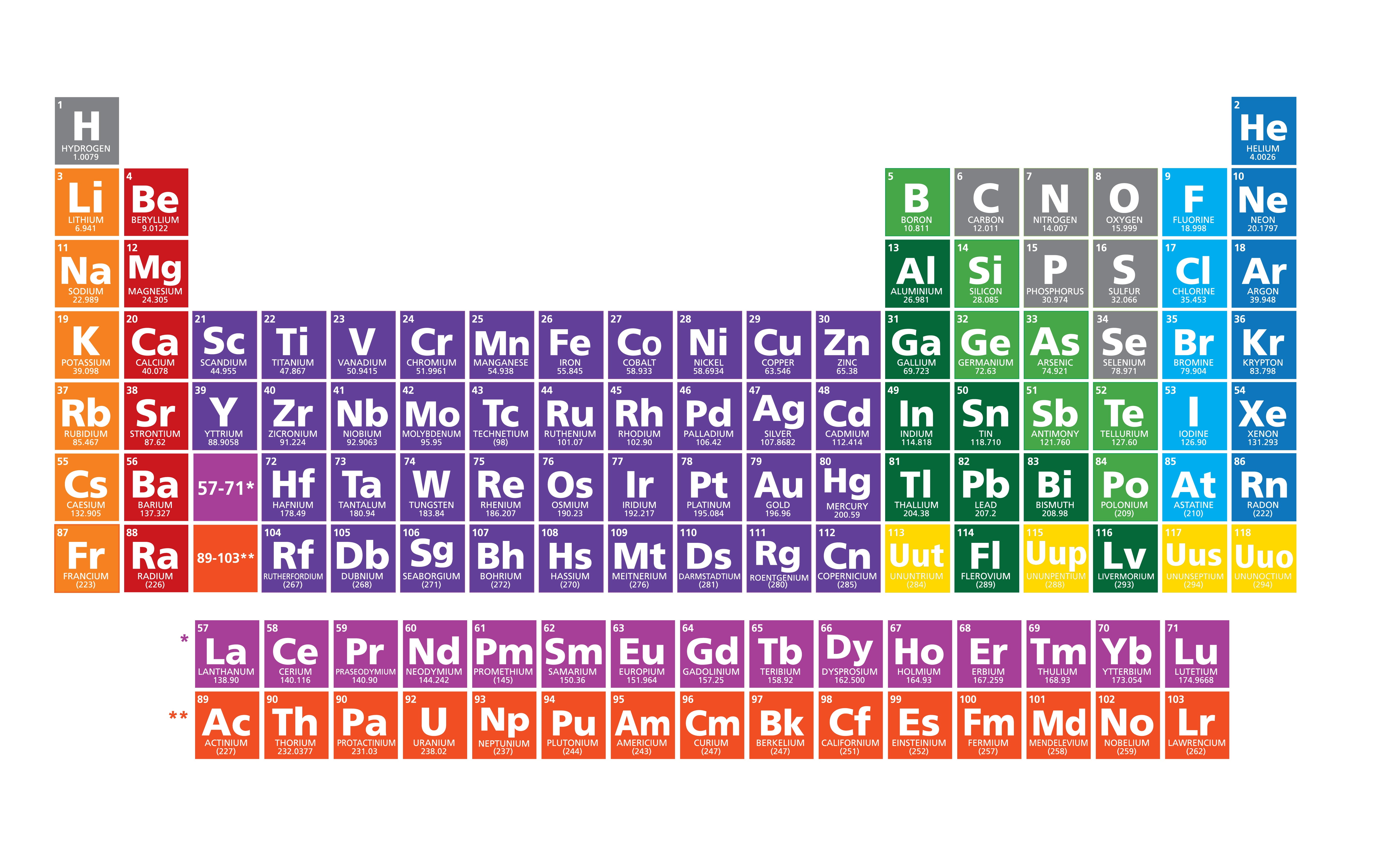
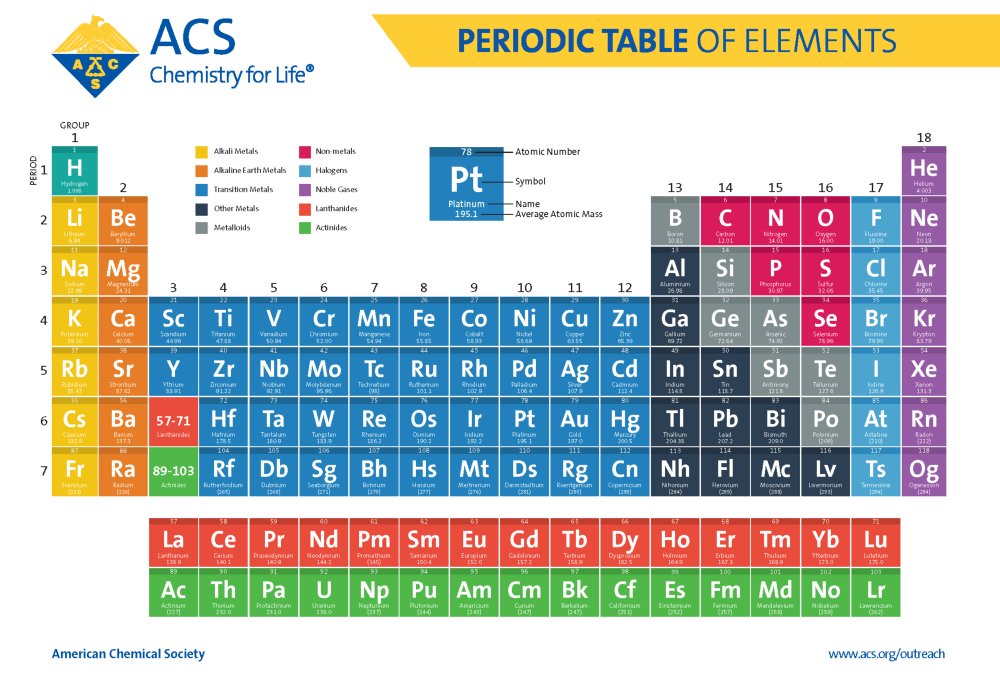
Ever heard of something that's both fish and fowl? In the fascinating world of elements, there's a group that loves to play both sides: the metalloids, also known as semi-metals. They're the chameleons of the periodic table, boasting characteristics of both metals and nonmetals, and their unique properties are increasingly sought after by artists, hobbyists, and even curious minds just wanting to understand the world a little better. Think of them as the secret ingredient in many of the technologies we rely on every day.
For artists and hobbyists, metalloids offer a world of possibilities. Their semiconducting properties, for instance, are fundamental to creating modern electronics, opening doors to interactive art installations, custom lighting projects, and even wearable tech. Imagine crafting a dress that changes color based on the surrounding light, or a sculpture that reacts to touch! Even without diving into electronics, understanding metalloids can inform material choices. Knowing how boron affects the properties of glass can lead to more durable and vibrant fused glass art. Learning about the properties of silicon can help in understanding the setting process and final look of certain types of clay.
Let's look at some examples. Silicon (Si), perhaps the most famous metalloid, is the backbone of the computer industry. Its ability to conduct electricity under certain conditions makes it ideal for transistors and microchips. Then there's Boron (B), which adds strength and heat resistance to glass, leading to lab-quality glassware and colorful borosilicate glass art. Germanium (Ge), another semiconductor, is used in some specialized electronics. Arsenic (As), while often associated with poison, finds uses in certain alloys and even in some traditional medicines (though extreme caution is needed!). The variations are endless, depending on how you combine them with other elements and the processes you use.
Want to experiment with metalloids at home? While working directly with many metalloids requires specialized equipment and safety precautions, there are ways to engage with them safely. Start by exploring the everyday products that contain them. Disassemble an old electronic device (safely, of course!) to observe the silicon chips. Examine borosilicate glass cookware. Research the different types of pigments used in paints and glazes – some might contain metalloid compounds. You can even try making slime with borax (a boron compound), carefully following instructions and safety guidelines. Remember, safety is paramount when dealing with any chemical substance.
The beauty of exploring metalloids lies in the discovery. It's about understanding the intricate interplay of properties that make these elements so versatile. They’re not quite metal, not quite nonmetal, but perfectly suited for a vast array of applications. It's a journey of constant learning and experimentation, revealing the hidden magic within the materials that shape our world. So, dive in, explore, and be amazed by the fascinating duality of these elemental enigmas!