Ever found yourself gazing at a map of Texas, perhaps picturing cowboys and tumbleweeds, and wondered, "Does it rain a lot there?" It's a fantastic question, and one that often sparks a surprisingly complex answer! Texas is, after all, a truly enormous state, stretching from arid deserts in the west to humid coastlines in the east, and everything in between. So, asking about its rainfall isn't like asking about a small, uniform region; it's like asking about an entire country’s weather patterns!
This curiosity about regional climate isn't just a fun brain-teaser; it actually has some pretty significant benefits. Understanding the nuances of rainfall across a diverse place like Texas helps us appreciate the incredible variety of its landscapes and ecosystems. It challenges our preconceived notions and encourages a deeper look into geography, climate science, and even local culture. For instance, the amount of rain dictates not only what kind of plants thrive but also what kind of agriculture is possible, what water sports are popular, and even the local architecture.
The practical applications of knowing whether it rains "a lot" in different parts of Texas are widespread, impacting both education and daily life. In schools, studying Texas's varied rainfall can be a brilliant way to teach about biomes, weather systems, and the water cycle in a tangible way. Students can learn why cactus thrive in one area while cypress trees flourish in another, all based on precipitation. In daily life, this knowledge is invaluable. If you're planning a road trip across the state, knowing that West Texas is generally much drier than East Texas will affect your packing list – you might need a rain jacket in Houston, but definitely more water bottles for Big Bend! Farmers make critical decisions about crops and irrigation based on historical and forecasted rainfall. Homeowners in flood-prone areas like the Gulf Coast constantly monitor rainfall expectations, while those in drier regions are mindful of water conservation and drought conditions. It informs everything from where cities source their water to what kind of garden you can realistically grow.
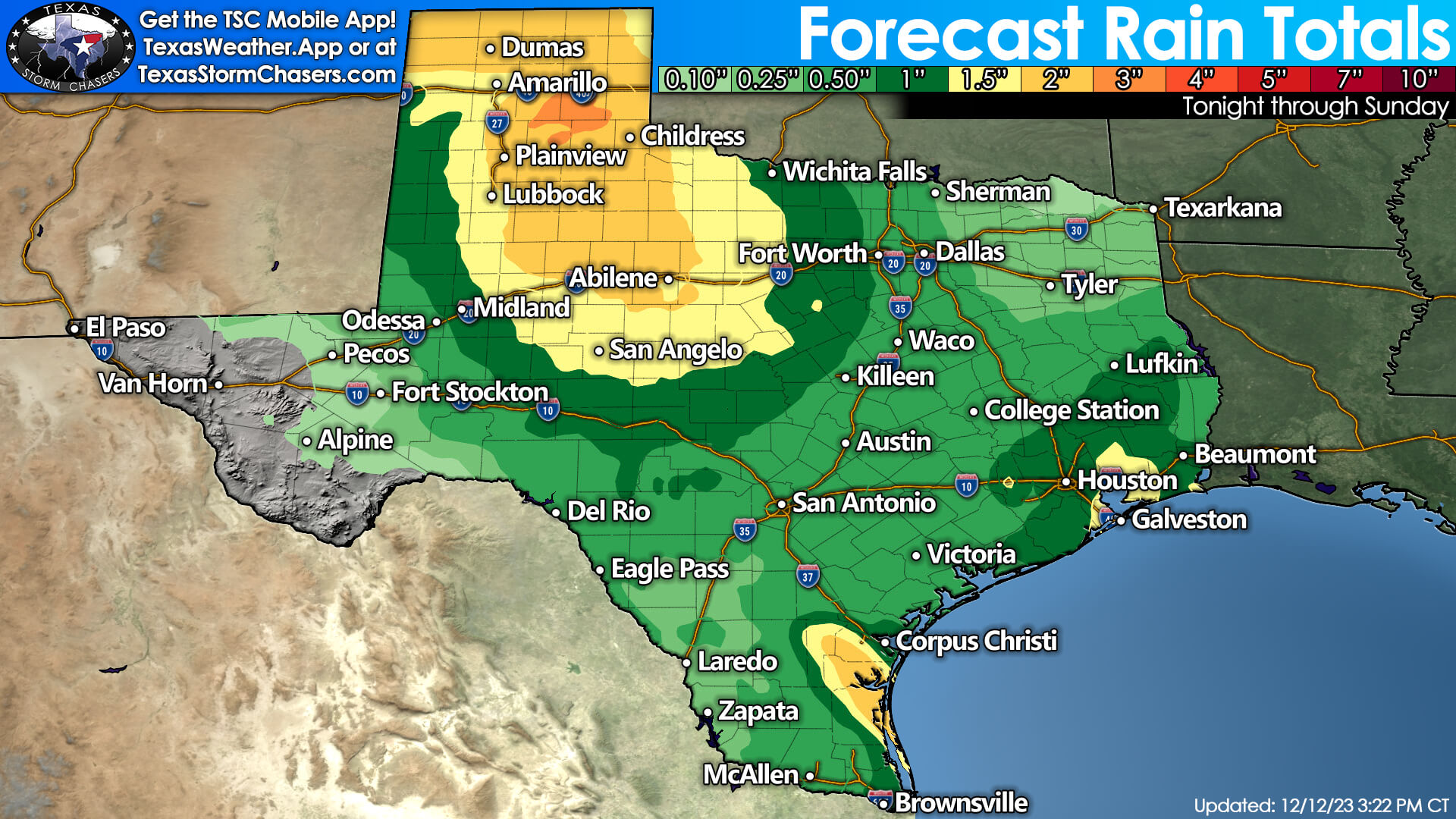
So, how can you explore this fascinating topic yourself? It’s surprisingly simple and engaging! A great first step is to pull up an annual rainfall map of Texas online. You'll immediately notice the dramatic gradient from east to west, illustrating that "a lot" is truly relative! Pay attention to the average inches of rain in cities like El Paso, Dallas, San Antonio, and Beaumont. Another fun way is to look at photos or videos of different Texas regions – notice the vegetation. Are there lush forests, rolling grasslands, or scrubby desert plants? Each tells a story about the local climate. Finally, if you ever get the chance to chat with someone who has lived in various parts of Texas, ask them about their experiences with the rain – their anecdotes will paint the most vivid picture of all. It’s a wonderful journey into the heart of a vast and wonderfully varied state!