Ah, summer! That glorious season of sunshine, long evenings, and... the inevitable moment when you step inside after a sweltering day and are enveloped by that blissful, cool embrace. We all love our air conditioning, don't we? It’s a modern marvel that transforms our homes into sanctuaries from the heat. But have you ever paused, mid-chill, and wondered: "Does this magic box run on electric or gas?" It's a fantastic question, and one we're going to demystify with a little easy-going exploration.
The Star Player: Electric ACs
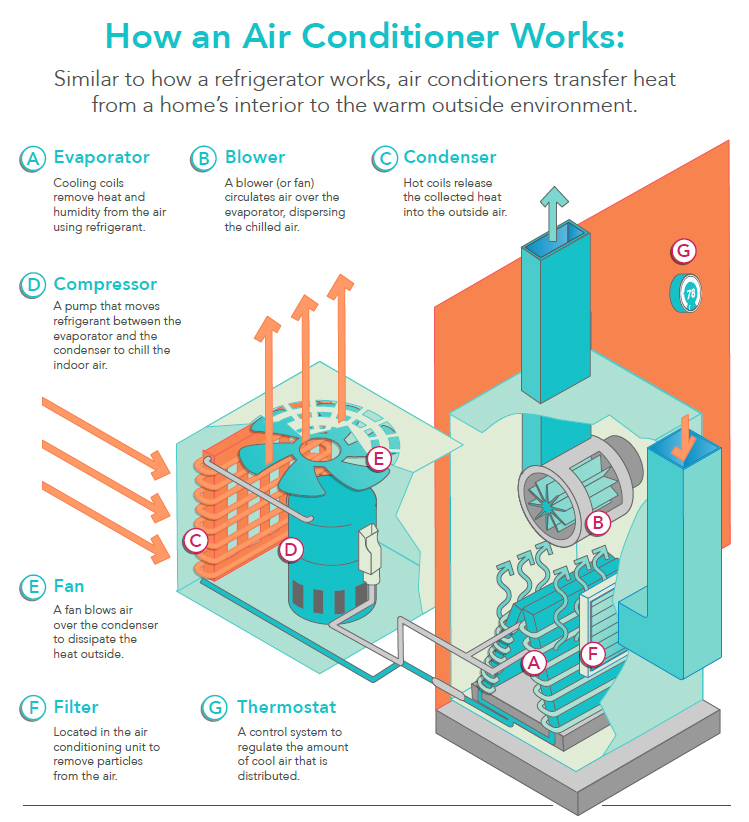
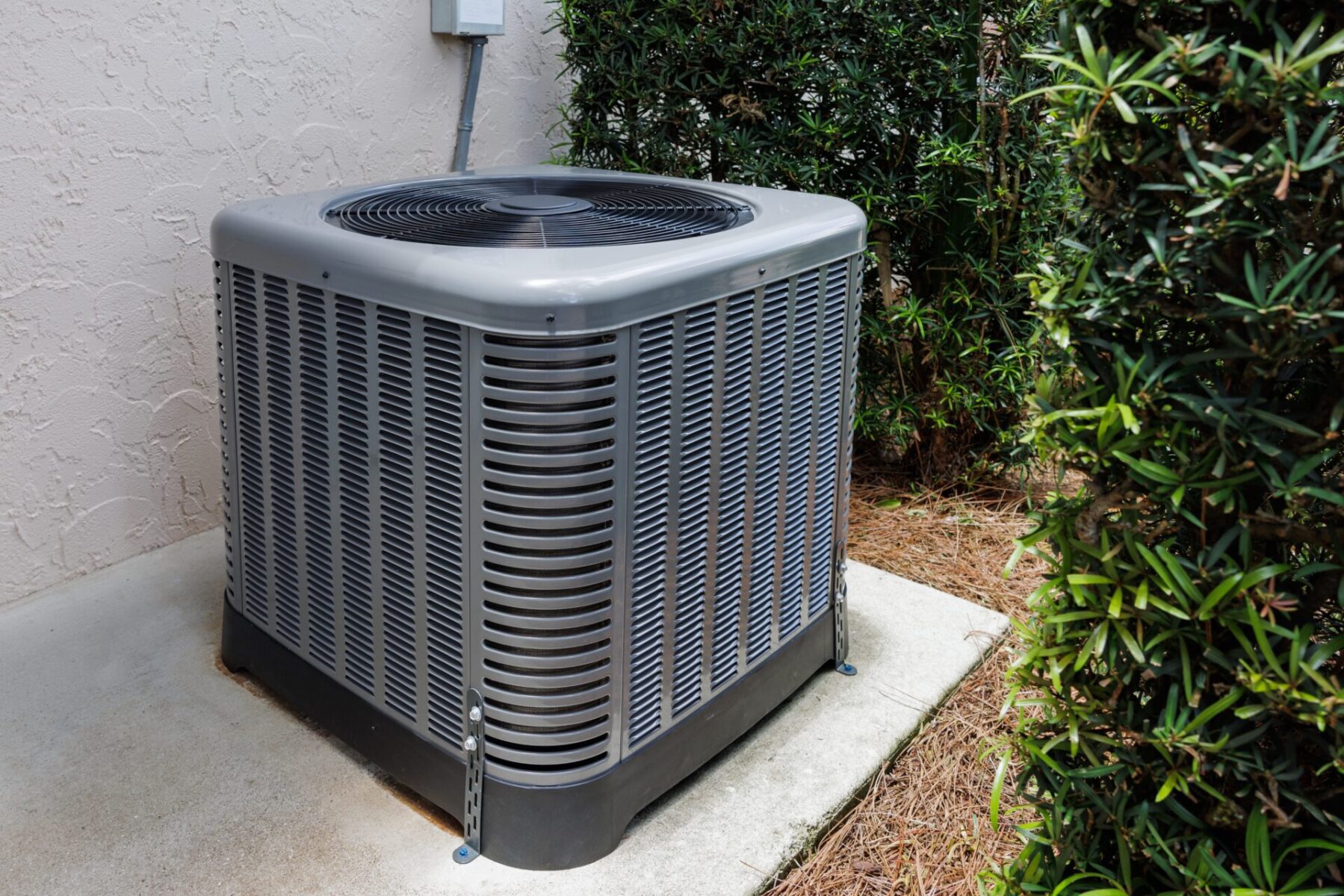
Let's cut to the chase: for most homes, your air conditioner is powered by electricity. When we talk about typical residential AC units – whether they're the window-shaking kind, a sleek mini-split, or a central air system – they are almost universally electric. These systems work by using a refrigerant to absorb heat from your indoor air and then releasing that heat outside. The compressor, which is the hardworking heart of the system, runs on electricity to circulate the refrigerant.
Think of it like your refrigerator, but for your entire house! That constant hum or whir you hear when the AC kicks in? That's the sound of electricity hard at work. This is why you'll see your electricity bill jump during those scorching summer months. A fun little fact: Air conditioning accounts for about 6% of all the electricity produced in the U.S. annually, costing homeowners over $29 billion!
Practical Tip: Keep an eye on your unit's SEER rating (Seasonal Energy Efficiency Ratio). A higher number means it's more energy-efficient, saving you precious dollars and helping the planet!
The Less Common Cousin: Gas ACs (Mostly for Heating!)
Now, here's where it gets interesting and a little nuanced. Do ACs use gas? Well, not typically for cooling in residential settings. However, there are a few scenarios where gas enters the picture.
For one, some larger commercial or industrial buildings use what are called absorption chillers. These sophisticated systems can use natural gas as an energy source to create a chemical reaction that produces cooling, rather than relying on an electric compressor. They're pretty clever but complex and rarely found in the average home.
What's far more common in homes is a system that uses natural gas for heating. Many houses have a gas furnace for winter warmth. These are not AC units, but they are part of your overall HVAC system. So, while your AC is humming along electrically in July, your furnace might be waiting patiently to burn gas for heat come December.
The Smart Blend: Dual Fuel Systems
Here's a clever hybrid! Some homes, especially in regions with very cold winters and hot summers, opt for a dual fuel system. This setup combines an electric air conditioner (which also functions as an electric heat pump) with a gas furnace.
The beauty of this system is its intelligence: it automatically switches between electricity and natural gas based on which is more efficient for the current outdoor temperature. For instance, an electric heat pump is super efficient for mild cooling and heating. But when temperatures really plummet, the gas furnace kicks in, providing a powerful, cost-effective blast of warmth. It's like having the best of both worlds, adapting to whatever Mother Nature throws your way!
Practical Tip: If you're building a new home or upgrading your HVAC, a dual fuel system can be a smart, energy-efficient choice for year-round comfort.
Keeping Your Cool & Being Kind to Your Wallet
No matter if your system is purely electric or a smart dual fuel setup, there are always ways to maximize comfort and minimize energy consumption. Our relationship with AC is a global one; from the bustling streets of Tokyo to the serene suburbs of Texas, we all crave that perfect indoor climate. Just think, Willis Carrier invented the first modern air conditioner in 1902 – what a legend!
- Smart Thermostats: Invest in a programmable or smart thermostat. They learn your habits and can save you a bundle by only cooling when you're home.
- Regular Maintenance: Change your air filters every 1-3 months! A clogged filter makes your AC work harder, using more electricity.
- Seal the Leaks: Weatherstrip doors and windows, and seal any cracks. Don't let that precious cool air escape!
- Use Fans: Ceiling fans can make a room feel 4-7 degrees cooler, allowing you to set your thermostat a little higher.
A Breath of Fresh (Cool) Air
So, the next time you bask in the glorious chill of your AC, you'll know the answer: it's almost certainly powered by electricity, diligently working to keep you comfortable. And while gas typically takes a back seat in cooling (unless you have a sophisticated commercial setup or a smart dual fuel system for heating), understanding how our home systems work empowers us to make smarter, more energy-efficient choices.
It's about more than just a switch; it's about appreciating the technology that makes our daily lives so much more pleasant. So, go ahead, enjoy that cool breeze. You've earned it!