Ah, the modern marvel of electronics! From our widescreen TVs that transport us to distant galaxies, to our trusty laptops that churn out work (and endless cat videos), and our smart home hubs that practically run our lives – these gadgets are more than just tools; they're integral to our comfort and entertainment. But imagine this: a sudden flicker, a distant rumble of thunder, or even just the refrigerator kicking on, and *poof* goes your precious device. It’s a nightmare scenario, right? This is precisely why so many of us find a quiet sense of security in the humble, often overlooked, surge protector.
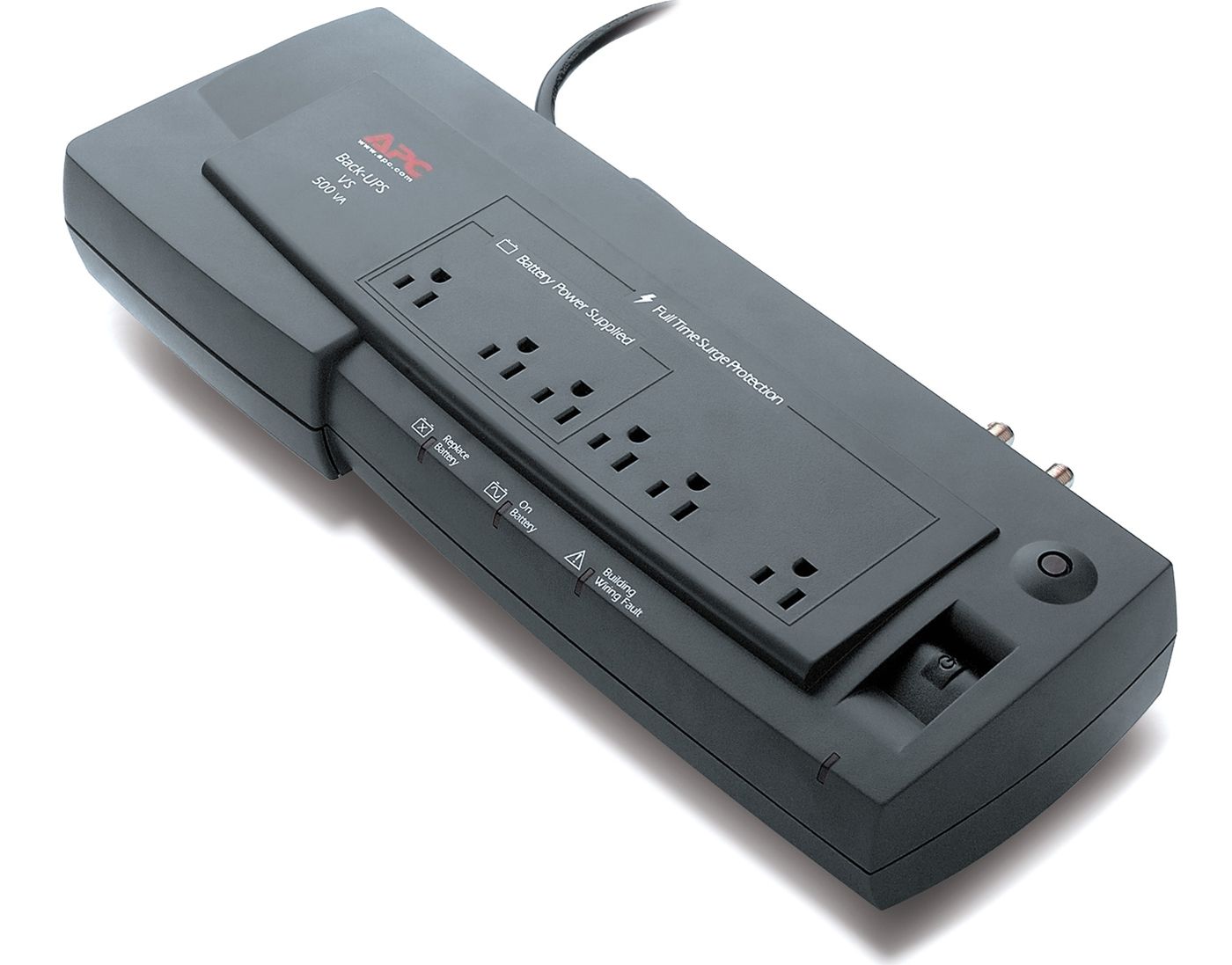
Think of a surge protector as the unsung bodyguard for your beloved electronics. Its primary purpose is to stand guard against unexpected spikes in electrical voltage – those tiny, sudden bursts of power that can travel through your home's wiring. These surges, which can be caused by anything from lightning strikes to utility grid fluctuations or even the operation of high-power appliances in your own home, can inflict serious, often irreparable, damage on sensitive circuit boards. A surge protector doesn't just give you extra outlets; it acts as a barrier, diverting that excess electricity away from your devices and absorbing the hit itself. The benefit? It helps safeguard your investment, extends the lifespan of your gadgets, and most importantly, offers profound peace of mind.
Where do these electrical guardians typically stand watch? Everywhere valuable electronics reside! You'll find them dutifully protecting home office setups, keeping computers, monitors, and routers safe from harm. They're essential for your entertainment hub, diligently guarding your smart TV, gaming console, sound system, and streaming devices. Even sensitive kitchen gadgets or smart home control centers can benefit. Essentially, anywhere you have gear that cost a pretty penny and whose sudden demise would leave you weeping into your cereal, a surge protector should be on duty. It’s an inexpensive insurance policy against the electrical whims of the universe.
Ready to empower your electronic bodyguards? Here are some practical tips to make sure they're doing their best work. Firstly, remember that not all power strips are surge protectors. Look for one explicitly labeled as a "surge protector" and check its Joule rating – a higher number (e.g., 2000-4000 Joules) indicates better protection. Secondly, surge protectors have a finite life; they sacrifice themselves to protect your devices. Most come with an indicator light that tells you if it’s still active, but if yours has taken a major hit or is several years old, it's wise to replace it. Avoid "daisy-chaining" – plugging one surge protector into another – as this can be dangerous and ineffective. Finally, for the ultimate protection during a severe electrical storm, nothing beats good old-fashioned manual unplugging. With these tips, you can ensure your electronic sidekicks remain safe, sound, and ready to serve your every digital whim!