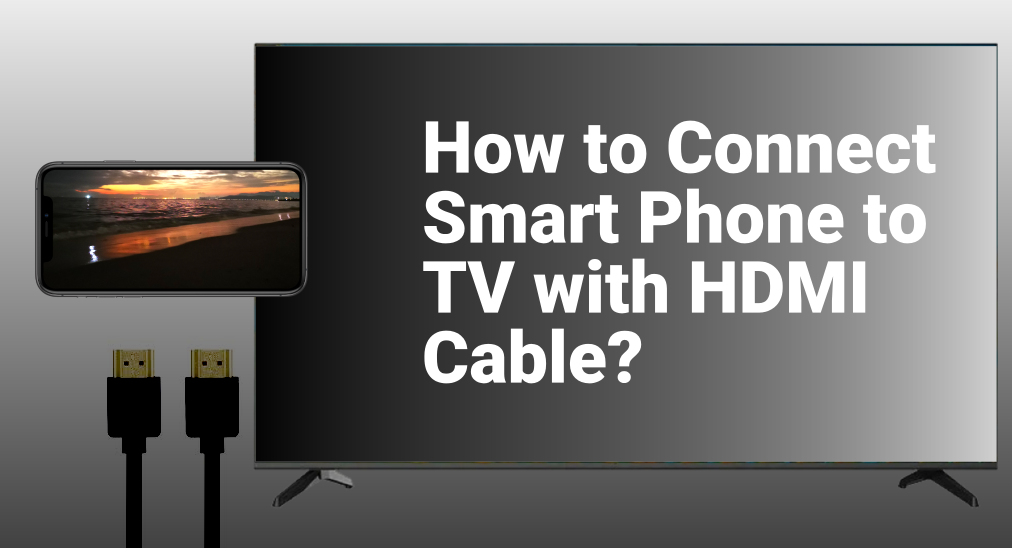
Hey there, tech explorers! Ever found yourself squinting at your phone screen, trying to share a hilarious meme, a stunning vacation photo, or perhaps even a nail-biting movie scene with a group of friends or family? It’s a common modern dilemma: amazing content stuck on a tiny display. Well, what if I told you there’s a wonderfully simple, often overlooked way to liberate that content and blast it onto your biggest screen – your TV – with nothing more than a humble cord? It’s like discovering a secret superpower for your smartphone, and it’s surprisingly fun and empowering to learn!
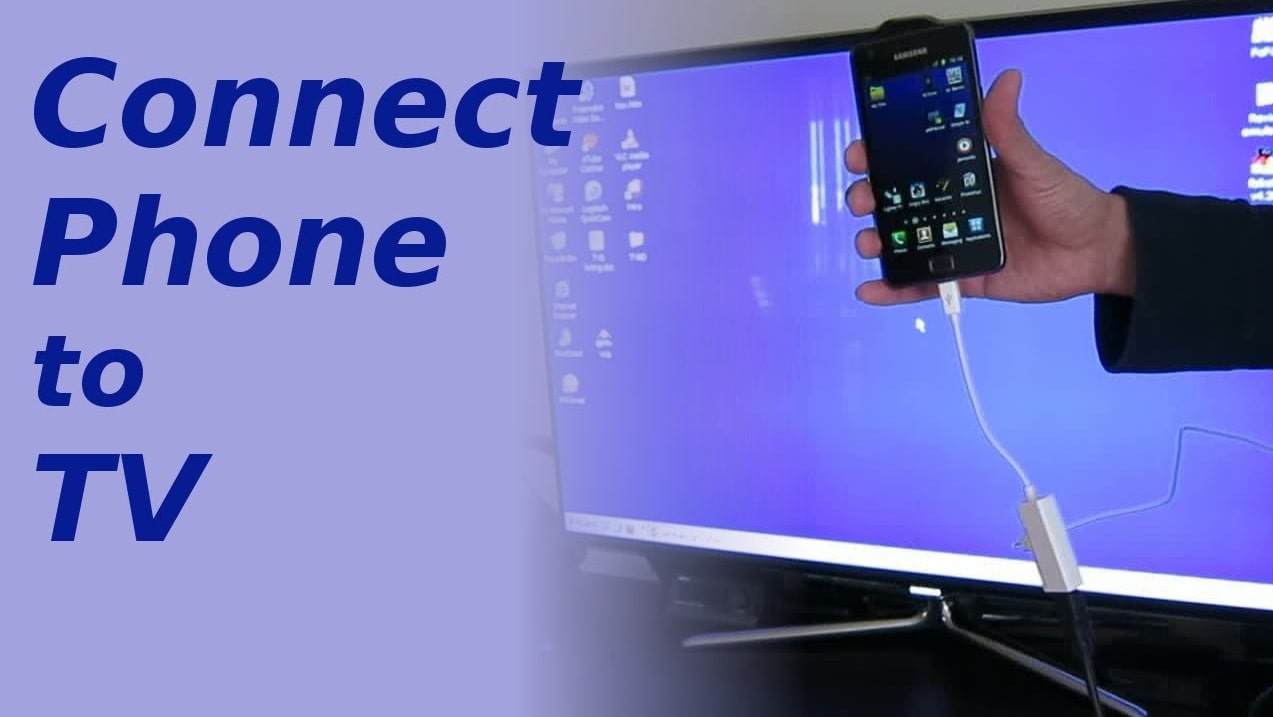
The basic idea behind connecting your phone to your TV with a cord is to mirror your phone's display directly onto the larger screen. Think of it as giving your phone an instant, massive upgrade in size. The primary purpose is sharing, plain and simple. Imagine effortlessly showcasing a presentation, streaming a movie, or even playing mobile games without tiny controls or the need for a smart TV or complex casting setups. The benefits are numerous: it's often more reliable than wireless connections, completely bypasses Wi-Fi woes (hello, buffering-free zones!), and frequently offers a virtually lag-free experience – crucial for gaming or live presentations. Plus, for many, it's a cost-effective solution, requiring just one inexpensive cable or adapter.
This simple trick opens up a world of possibilities in both our daily lives and educational settings. At home, picture this: a spontaneous family movie night, streaming directly from your phone's favorite app onto the big screen. Sharing those epic holiday photos or videos becomes a communal joy, not a huddle around a small device. For the gamers, imagining dominating your favorite mobile game on a massive television display can be a game-changer. Even in the kitchen, a recipe displayed prominently on the TV from your phone can make cooking a breeze! In education, it's a fantastic tool: teachers can easily project documents, educational apps, or videos from their phone to a classroom TV, engaging students with dynamic visuals. Students can share their project work directly, making presentations seamless and impactful, fostering collaborative learning without tech headaches.
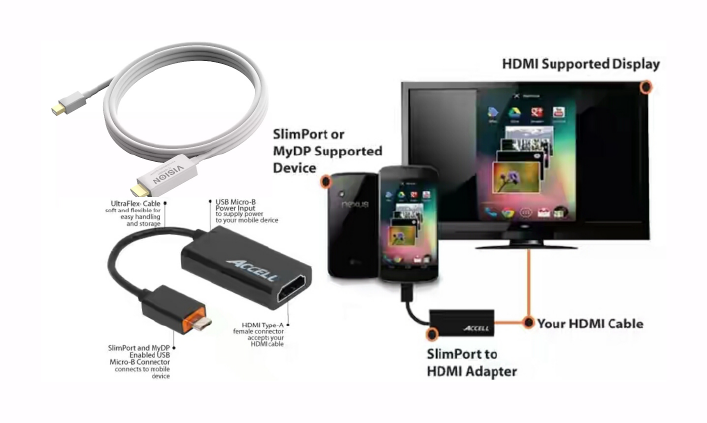
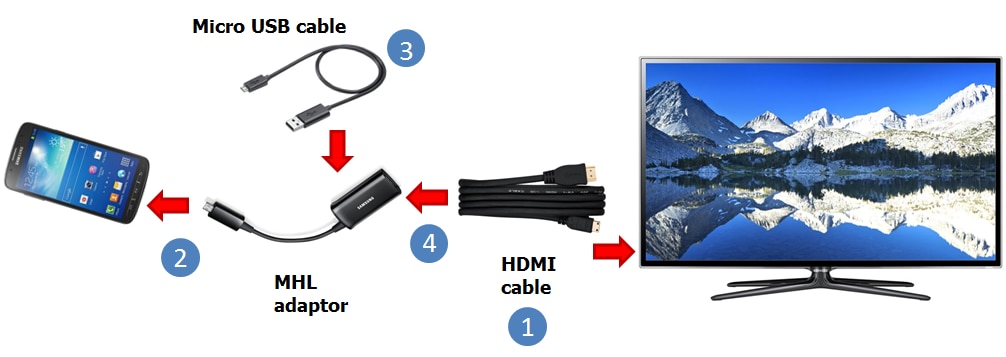
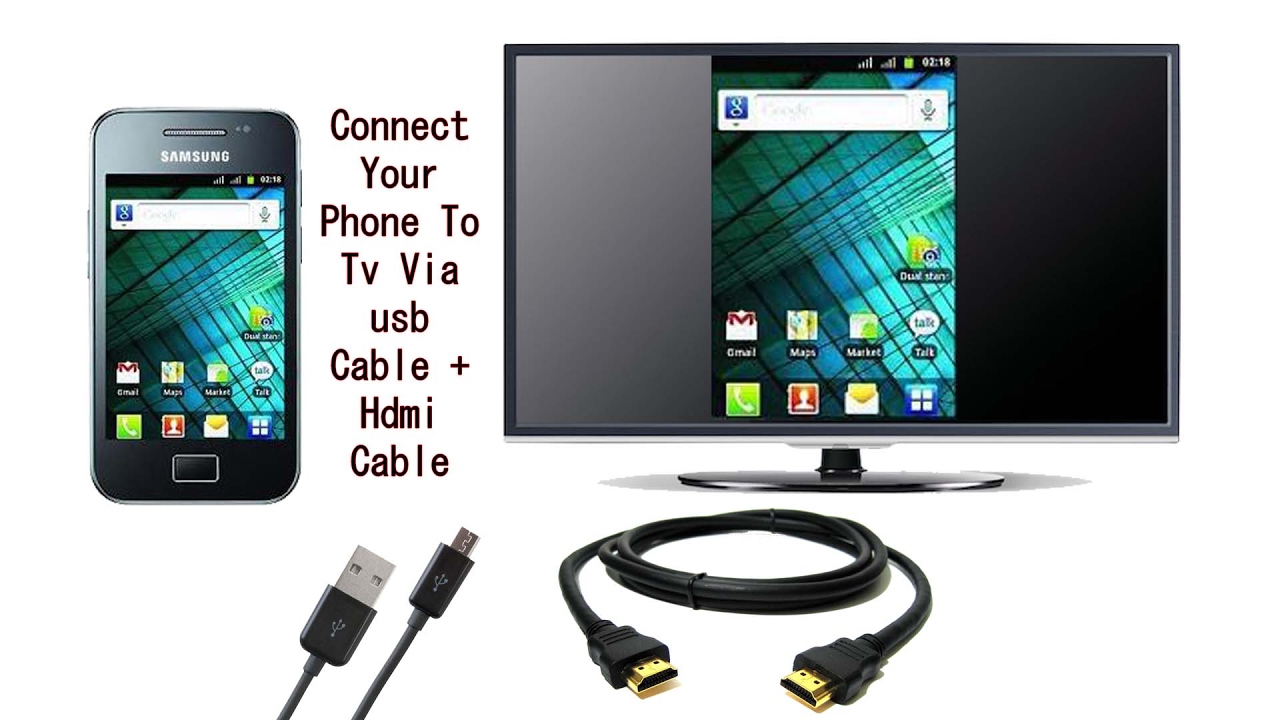
Ready to dive in and explore this yourself? It’s easier than you might think! First, identify your phone's charging port – is it a USB-C (common on newer Androids), an Apple Lightning port (for iPhones), or perhaps an older Micro-USB? Next, check your TV’s available inputs – HDMI is almost certainly what you'll use. The most common solution involves a simple adapter or cable: for iPhones, you’ll typically need a "Lightning to HDMI adapter." For many Androids with USB-C, a "USB-C to HDMI cable" or "adapter" will do the trick. Just plug one end into your phone, the other into an HDMI port on your TV, select the correct HDMI input on your TV (usually labeled HDMI 1, HDMI 2, etc.), and voilà! Your phone's screen should magically appear. Don't be afraid to experiment with different apps and content. This straightforward connection is a powerful reminder that sometimes, the simplest solutions are the most effective and rewarding. Happy projecting!