Alright, listen up, because we're about to chat about something that, let's be honest, probably isn't topping your list of exciting topics. But trust me, it's one of those "boring but super important" things, like remembering to change your smoke detector batteries. We're talking about checking for gas leaks in your house.
Yeah, yeah, I know. Not exactly a thrill-a-minute topic, right? But seriously, a little heads-up could save you a whole lot of headache (or worse!). So, grab your imaginary coffee, let's pretend we're on my couch, and let's get this done.
Why Even Bother, You Ask?
Okay, let's not sugarcoat it: natural gas is super useful for keeping our homes toasty, our showers hot, and our stovetops cooking up a storm. But it's also, well, a gas. And when it's not where it's supposed to be (like, you know, *inside* the pipes), it can be a bit of a party pooper. We're talking potential fires, explosions, and, frankly, just not a good time.
So, while it feels a bit like adulting on hard mode, knowing how to spot a leak is like having a superhero power. A quiet, responsible superhero power.
Your Nose Knows Best (Probably)
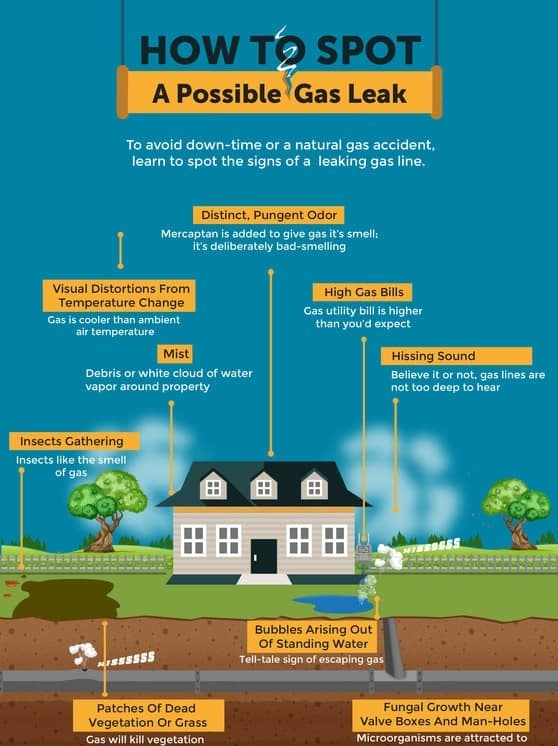
This is your #1 tool, folks. Natural gas itself is actually odorless. Kinda sneaky, right? But gas companies are smart cookies; they add a chemical called mercaptan to it, which gives it that distinct, unmistakable smell.
Think rotten eggs. Or maybe cabbage left in the fridge way too long. Or sulfur. Whatever you associate with "ew, gross!"—that's probably it. If you catch a whiff of that funky odor, especially near an appliance or pipe, your internal alarm bells should be clanging. Don't ignore it! Your nose is basically telling you, "Hey, something's not right here!"
Listen Up! Any Hissing Sounds?
Sometimes, if there's a bigger leak, you might actually hear it. I mean, not like a full-on siren, but a subtle hissing sound. Imagine a tiny snake trying to escape from a really small hole. Or air slowly deflating from a tire. If you're near a gas line or appliance and you hear anything like that, especially if it coincides with that rotten egg smell, your ears are giving you a big ol' hint.
It means gas is escaping under pressure. And escaping gas is bad gas.
The Bubbles Trick (Like a Science Experiment!)
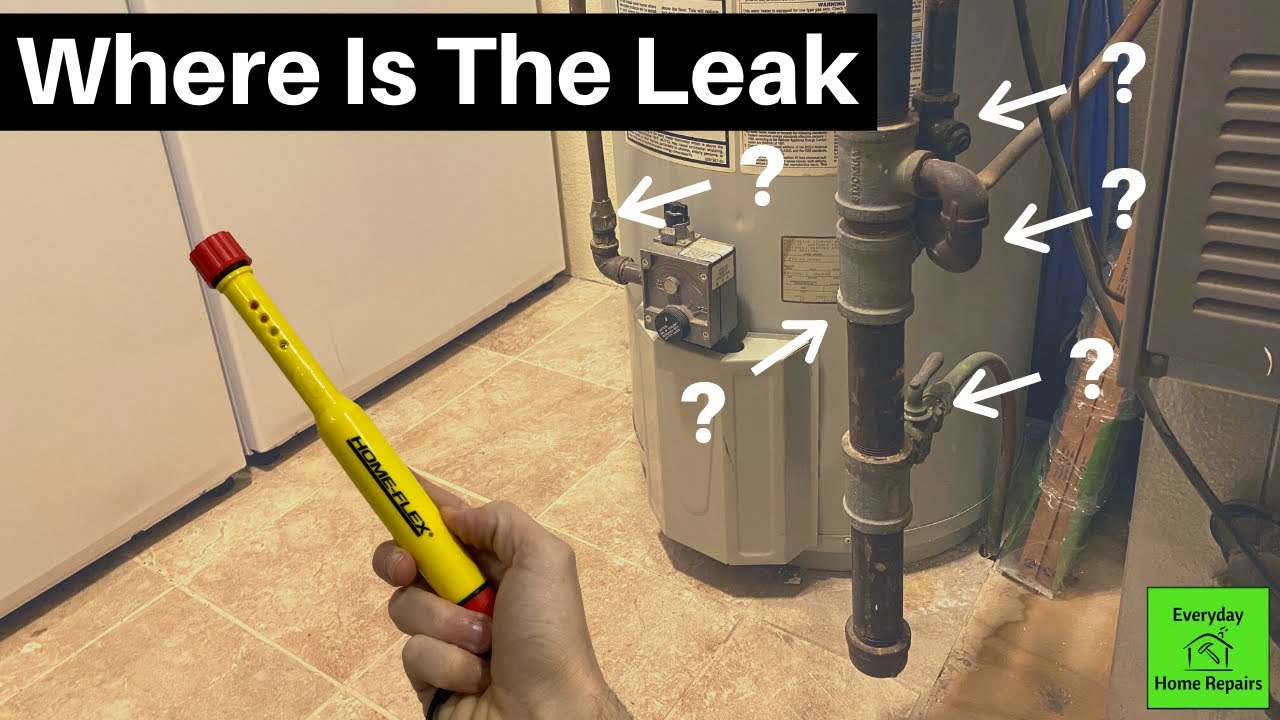
This one's a bit more proactive. If you suspect a leak but aren't 100% sure, you can actually do a little DIY detective work. Mix some dish soap with water to create a nice, sudsy solution. Then, carefully dab or spray it onto any suspected connection points, valves, or pipes.
If you see bubbles forming and growing, almost like a mini bubble machine, then bingo! You've found your leak. Those bubbles are the gas escaping. Pretty cool, huh? But also, uh oh!
Okay, I Smell/Hear/See Something. Now What?!
DO NOT PANIC! Deep breaths. The first thing you need to do is get yourself and anyone else in the house OUT.
Seriously, no dilly-dallying.
Before you bolt, if it's safe and super quick, try to turn off the main gas supply valve to your house. It's usually a quarter-turn valve near your gas meter. But if it's not immediately obvious or you have to search, just get out. Seriously, just go.
And here's the kicker for what NOT to do:
- DO NOT turn on or off any lights.
- DO NOT use your phone inside the house.
- DO NOT start your car (if it's in the garage).
- DO NOT light a match, obviously.
- DO NOT try to find the source yourself or fix it.
Once You're Safe (And Outside!)
As soon as you're a safe distance away from the house (think across the street or down the block), call your gas company's emergency number. Like, right away. They're equipped to handle this stuff, and they'll send someone out lickety-split. You can also call 911, and they'll coordinate with the gas company. Better safe than sorry, right?
A Little Prevention Goes a Long Way
While we're here, a quick word on prevention. Consider getting a carbon monoxide detector, especially if you have gas appliances. While CO isn't the same as natural gas, it's another silent killer produced by incomplete combustion, and it's odorless and colorless. So, having a detector is a smart move.
Also, make sure your gas appliances are serviced regularly by a qualified professional. They can spot potential issues before they become full-blown problems. Think of it as a check-up for your house's lungs.
So there you have it. A slightly less boring chat about gas leaks. Hopefully, you'll never have to use any of this info, but if you do, you'll be glad you paid attention. Stay safe out there, friends, and keep those noses twitching!