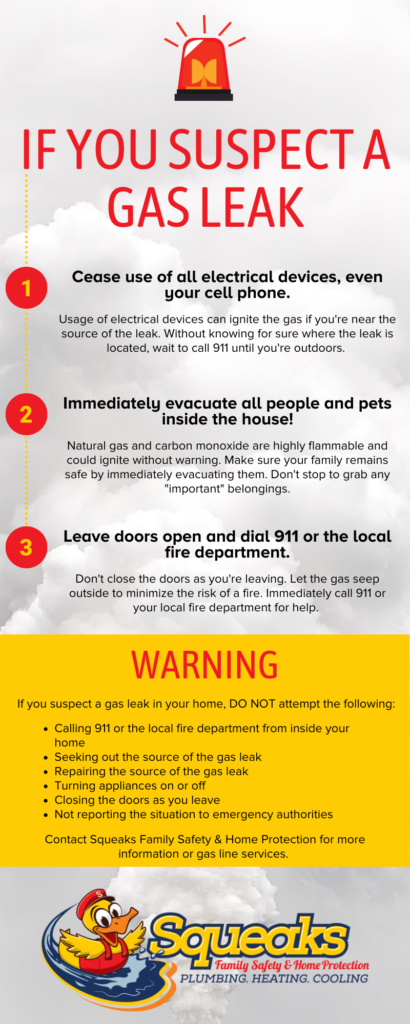
Alright, let's talk about something a little… weighty, but in a super chill, curious way. You know how sometimes you catch a whiff of something funky in the air, or you hear about a gas leak on the news, and your brain just goes, "Wait a minute… can you actually die from that?" It's a natural question, right? We're surrounded by gas in our homes and workplaces, mostly invisible, doing its thing.
So, let's dive into that fascinating, slightly spooky corner of home safety, but without any of the panic. Think of this as a friendly chat over a virtual coffee, exploring the science behind what happens when gases decide to go rogue.
The Big Question: Can a Gas Leak Be Fatal?
The short, honest answer is: yes, it absolutely can be. But before you start looking suspiciously at your stove, let's unpack how. It's not always a straightforward "toxic gas equals instant doom" scenario. There are a few different players in the gas game, and they each have their own tricks.
Think of it like different kinds of unwelcome party guests. Some are just really bad at sharing the oxygen, while others are sneakier, messing with your body's internal systems without you even realizing it.
The Oxygen Hoggers: Natural Gas & Propane
Okay, first up, let's talk about the gases we usually associate with leaks: natural gas (what powers many of our stoves and heaters) and propane (often in outdoor grills or some rural homes). These guys are generally pretty safe when they stay in their pipes. They're actually not considered directly poisonous in the way, say, cyanide is.
So, what's the danger? Well, imagine you're in a room, and someone just keeps pumping in more and more air from a giant balloon, pushing out all the regular air you need to breathe. That's kind of what natural gas or propane does.
When there's a big leak, these gases can build up and displace the oxygen in a confined space. Our bodies need oxygen to function – it's like the fuel for our internal engines. If there's not enough oxygen, we can experience asphyxiation. It's less about the gas being toxic itself and more about it being a bully that shoves all the good stuff out of the room.
Symptoms here can range from dizziness and nausea to confusion and, in severe cases, unconsciousness and death. It's a slow, insidious process, often feeling like you're just really tired or unwell, making it extra tricky. Plus, natural gas usually has an additive that makes it smell like rotten eggs – a genius safety feature designed to give us a warning! Propane also has a similar smell. So, if you smell that, it's a big, stinky clue!
The Silent, Invisible Assassin: Carbon Monoxide (CO)
Now, this is the one that really earns its scary reputation. Meet carbon monoxide (CO), often dubbed the "silent killer." Unlike natural gas, CO doesn't usually smell like anything. It's odorless, colorless, and tasteless, which makes it incredibly dangerous.
Where does it come from? It's a byproduct of incomplete combustion. Think faulty furnaces, gas stoves, fireplaces, water heaters, or even car exhaust in an enclosed space. Basically, anything that burns fuel can produce it if it's not vented properly.
So, why is it so deadly? Here's the fascinating (and terrifying) bit: our red blood cells are designed to carry oxygen around our bodies using a special protein called hemoglobin. Carbon monoxide is like a super-clingy, super-strong passenger who pushes oxygen right off the hemoglobin bus and then refuses to leave.
CO binds to hemoglobin something like 200-250 times more effectively than oxygen does. This means that even small amounts of CO in the air can quickly fill up all the oxygen-carrying seats in your blood, essentially starving your vital organs (especially your brain and heart) of the oxygen they desperately need.
The sneaky part? Early symptoms often mimic the flu – headache, nausea, dizziness, fatigue. You might just think you're coming down with something, when in reality, your body is slowly being suffocated at a cellular level. It's a truly chilling mechanism.
The Takeaway: Awareness is Your Best Friend
So, while the idea of dying from a gas leak is indeed a possibility, it's not something to live in constant fear of. Instead, it's a great reminder to be aware and prepared.
The coolest part? We have tools to combat these invisible threats!
- For natural gas/propane: trust your nose! If you smell rotten eggs, get out, stay out, and call emergency services from a safe distance.
- For carbon monoxide: this is where technology steps in. Invest in a carbon monoxide detector (or several!) for your home. They're relatively inexpensive and are absolute lifesavers, literally. Treat them like smoke detectors – test them regularly and replace batteries.
Ensuring your fuel-burning appliances are well-maintained and properly vented is also super important. A yearly check-up for your furnace isn't just a good idea; it's a vital safety measure.
So, there you have it. Gas leaks are serious, but understanding the science behind them empowers us to stay safe. It's a powerful lesson in how our environment interacts with our biology, and how a little vigilance can make all the difference. Stay curious, stay safe!