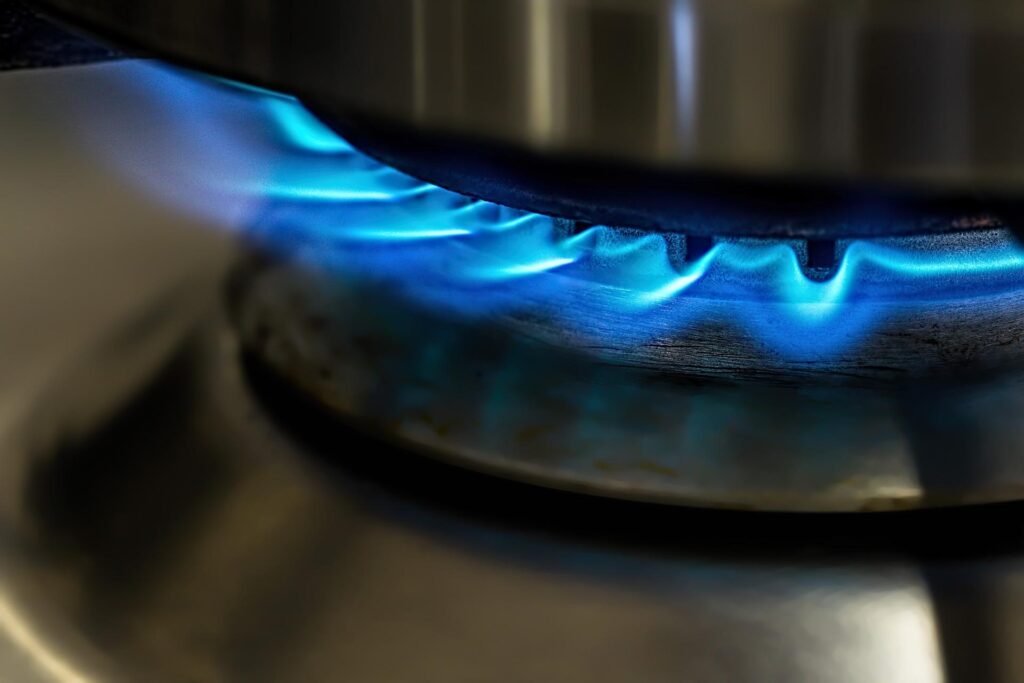
The Silent Danger: Can Stove Gas Leaks Kill You?
Ever wonder about that funny smell sometimes near your kitchen stove? It’s a pretty common question, and one worth taking seriously. The short answer is yes, a stove gas leak can indeed be deadly.
But don't panic! Understanding the risks is the first step to staying safe. We're going to chat about why this happens and what you can do to protect your home and loved ones.
What's that gas, anyway?
Most homes with gas stoves use what's called natural gas. It's a fossil fuel that powers many of our everyday conveniences, from heating water to cooking delicious meals.
In its natural state, natural gas is actually odorless. That's right, you wouldn't smell a thing if it leaked!
To keep us safe, gas companies add a special chemical called mercaptan. It’s what gives gas that distinct, rotten egg smell we all recognize.
This added smell is your primary warning system. It’s designed to be unpleasant and impossible to ignore for a very good reason.
The Two Big Dangers: Asphyxiation and Explosion
When natural gas leaks into your home, it can pose two main threats. Both are serious, and both require immediate action.
The first danger is asphyxiation. Natural gas itself isn't toxic in the way some poisons are.
However, it displaces the oxygen in the air. If enough gas leaks into a confined space, it can reduce the amount of oxygen available for breathing.
Imagine trying to breathe in a room full of something other than air. Your body needs oxygen to function, and without enough, things get very dangerous very quickly.
The second, and perhaps more immediate, danger is explosion. Natural gas is highly flammable.
When it mixes with air in the right concentration, even a tiny spark can ignite it. This spark could come from flipping a light switch, turning on an appliance, or even a static electricity discharge.
An uncontrolled ignition can lead to a devastating explosion. That’s why acting fast and correctly is absolutely crucial when you suspect a leak.
The Sneaky Silent Killer: Carbon Monoxide
While natural gas leaks are dangerous, there's another related threat often associated with gas appliances: carbon monoxide (CO).
Carbon monoxide isn't natural gas itself. Instead, it's a byproduct of incomplete combustion from gas appliances like stoves, furnaces, or water heaters.
If your gas stove isn't working properly, or if ventilation is poor, it can produce CO. This gas is truly a "silent killer" because it's completely odorless, colorless, and tasteless.
CO poisoning is incredibly dangerous. It replaces oxygen in your blood, starving your organs and brain of this vital element.
Symptoms of carbon monoxide poisoning can mimic the flu: headache, dizziness, nausea, and fatigue. You might not even realize what's happening.
Severe exposure can lead to unconsciousness, brain damage, and even death. That's why every home with gas appliances should have carbon monoxide detectors.
How to Spot a Gas Leak: Trust Your Senses
Knowing the signs is your best defense. The most obvious clue is that distinct rotten egg smell we talked about earlier.
If you smell it, even faintly, take it seriously. Don't ignore it or assume it will just go away.
Sometimes, you might also hear a hissing sound near a gas line or appliance. This sound indicates gas escaping under pressure.
Visual clues can also pop up. If you notice a dying plant in a usually healthy area, especially near a gas appliance, it could be a sign.
For outdoor leaks, look for bubbles in puddles or dead vegetation in a patch where it normally thrives. These are rare but possible indicators.
Feeling Unwell? Pay Attention!
Physical symptoms can also signal a gas leak, especially if you're experiencing a slow, prolonged exposure.
You might feel dizzy, lightheaded, or nauseous. Some people report headaches or eye and throat irritation.
Pets might also show signs of distress, becoming sluggish or acting unusual. They are often more sensitive to changes in air quality than humans.
If several people in your home experience similar symptoms at the same time, and you can’t pinpoint another cause, consider a gas leak.
Always prioritize your health and safety. If you're feeling unwell and suspect gas, get fresh air immediately.
What to Do If You Suspect a Leak: Act Fast, Act Smart
This is the most critical part: knowing the right steps can save lives.
Do NOT try to find the source of the leak yourself. Do NOT turn electrical switches on or off, light a match, or use your phone inside the house.
Any spark could trigger an explosion. Your priority is to get everyone, including pets, out of the house immediately.
Once you are safely outside and a good distance away, call your gas company's emergency line or 911. Tell them exactly what you suspect.
Wait for emergency responders to arrive and give the all-clear before re-entering your home. They have the proper equipment to safely detect and address the leak.
Preventative Measures: Your Home's Safety Net
Prevention is always better than reaction. A few simple habits can drastically reduce your risk of a gas leak.
First, have your gas appliances, including your stove, furnace, and water heater, inspected regularly by a qualified professional. They can spot potential issues before they become dangerous.
Ensure your home has good ventilation, especially when using gas appliances. Don't block vents or flues that allow exhaust gases to escape.
Install carbon monoxide detectors on every level of your home, especially near sleeping areas. Test them monthly and replace batteries annually, just like smoke detectors.
Teach everyone in your household what gas smells like and what to do if they suspect a leak. Knowledge is power when it comes to safety.
Staying Safe, Staying Smart
So, can stove gas leaks kill you? Absolutely. But with awareness, swift action, and proper precautions, you can keep your home safe.
Don't ever ignore that rotten egg smell. It's not just a nuisance; it's a vital alarm bell.
Your curiosity about this serious topic is a great thing! Now you know the crucial steps to protect yourself and your family.
Be smart, stay safe, and let those gas appliances work their magic, securely.