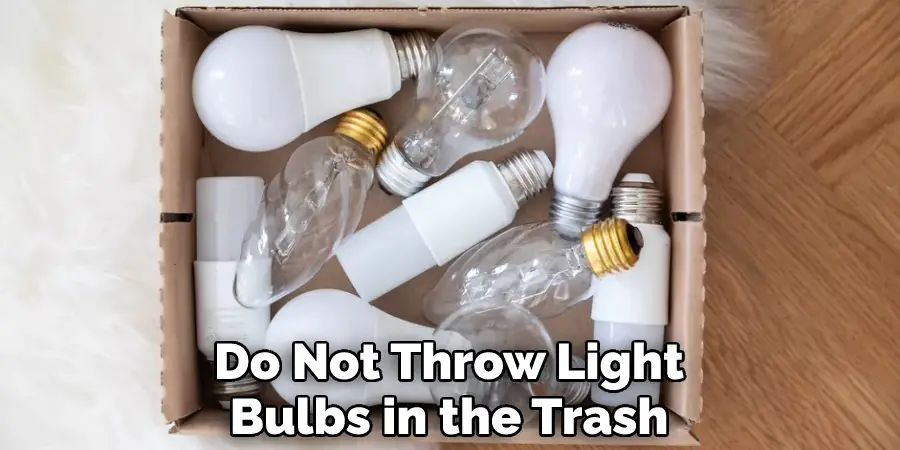
Ah, the humble light bulb. It glows, it shines, it brightens our world. Then, one day, it doesn't. You flick the switch. Nothing. Darkness. A tiny gasp escapes your lips. Another one bites the dust. Now what?
You unscrew the lifeless bulb. It's warm, maybe a little dusty. You carry it, a silent sentinel of spent energy, towards its inevitable fate. Your hand hovers over the kitchen trash can. A moment of hesitation. Can light bulbs go in the trash? A tiny voice whispers, No! You monster!
Let's be real for a moment. This isn't a life-or-death decision. We're not talking about hazardous waste that needs a hazmat suit and a special convoy. But still, the guilt. It’s a subtle, insidious guilt that creeps in when you consider tossing something that once held such illuminating power straight into the general refuse bin. Is it an environmental faux pas of epic proportions?
The Incandescent Dilemma: Old School, Old Rules?
Remember those old-fashioned, glowy bulbs? The ones that used to heat up a room almost as much as they lit it? We lovingly call them incandescents. They were the workhorses of yesteryear. When one of these veterans finally gave up the ghost, did we really agonize over its disposal? Probably not. Most of us, with a shrug and a mental welp!
, sent it straight to the trash abyss.
And you know what? For the most part, that was perfectly acceptable. These bulbs are mostly glass and a tiny filament. They're like the grandmas of the bulb world – straightforward, a little inefficient, but mostly harmless when retired. So, for your old-school incandescent bulbs, give yourself a break. The trash can is usually their final resting place without a tear shed by Mother Earth.
The Modern Marvels: LEDs and CFLs
Now, things get a little trickier, or so they say. Enter the new kids on the block: LEDs and CFLs. These bright young things promised us efficiency, longevity, and a smaller carbon footprint. And they delivered! Mostly. But with their fancy tech comes a new set of rules, right?
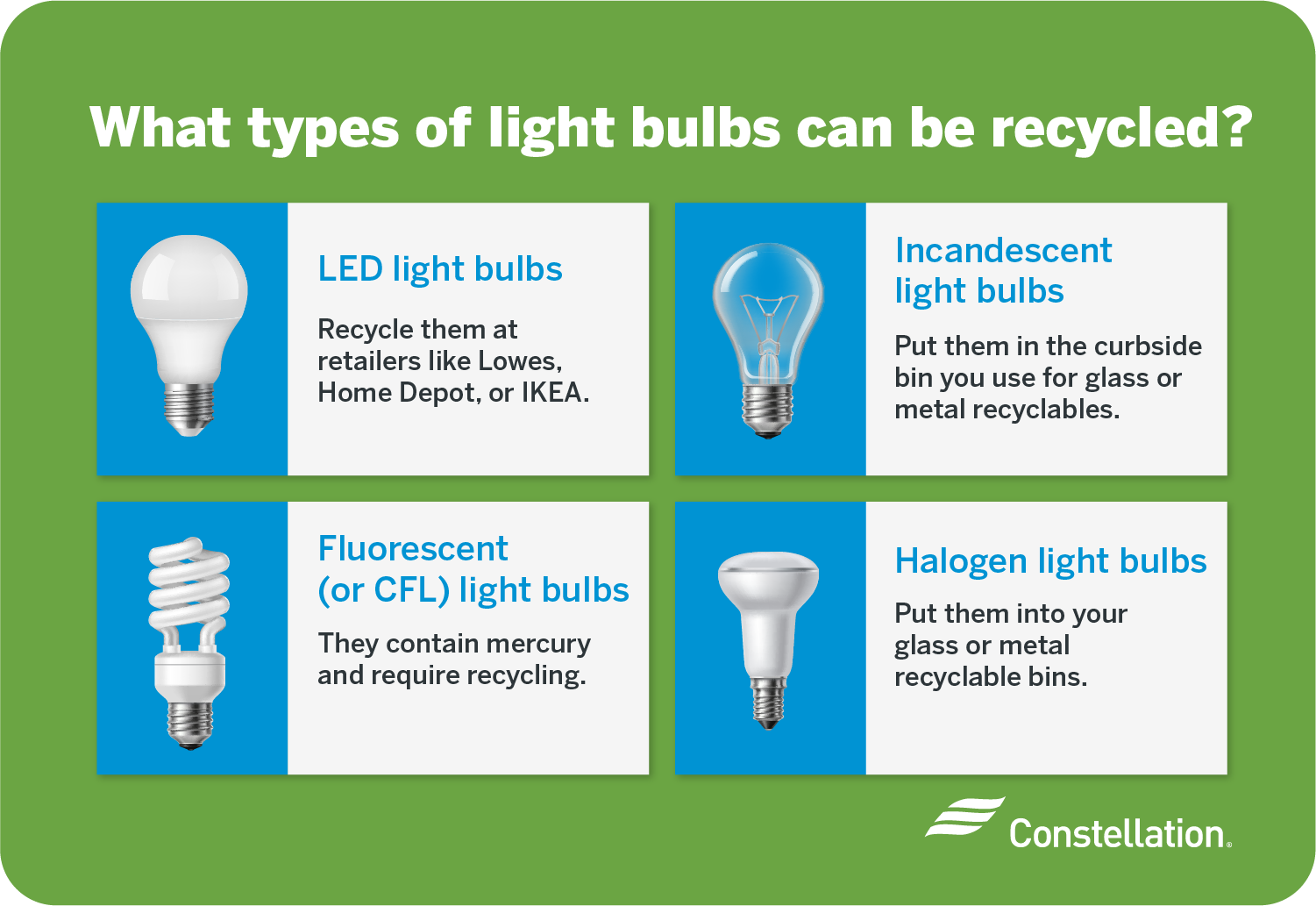
Let's talk about CFLs first. These are the curly-whirly ones, often found in that awkward phase between incandescent and LED. They contain a tiny, tiny amount of mercury. Cue the dramatic music! Mercury!
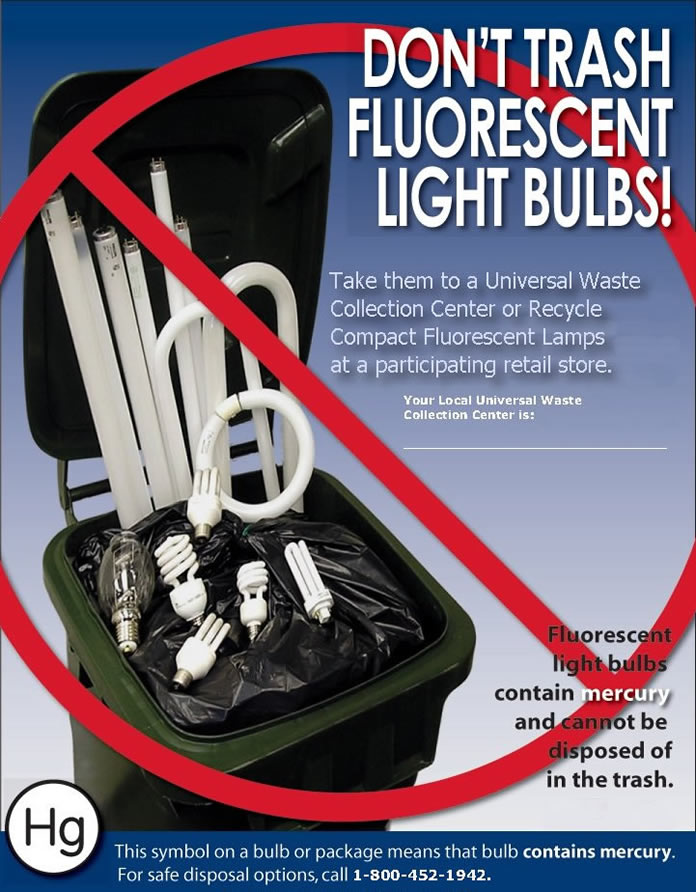
Yes, it’s true. And because of this, many municipalities and eco-conscious guides will tell you to absolutely, positively, never throw a CFL in the regular trash. They suggest special recycling centers, hazardous waste days, or designated store drop-offs.
Now, I’m not saying mercury is a party favor. But let’s put it in perspective. The amount in one CFL is microscopically small. Are we really driving twenty minutes out of our way, using precious fossil fuels, to drop off one spent CFL? Are we honestly saving the world with that single, heroic act? For many of us, the answer, whispered conspiratorially, is probably no. Life is busy. That CFL, unfortunately, often finds its way into the regular old bin. And while it’s not ideal, the world probably keeps spinning.
Then we have the superstar, the LED bulb. These are the darlings of the lighting world. They last forever, use next to no energy, and are generally seen as incredibly eco-friendly. Do they contain mercury? Nope! Hooray! But they do have electronics, tiny bits of circuitry and metal. So, technically, they are e-waste
and should ideally be recycled like your old phone or laptop.
Again, the ideal vs. the real. How many of us diligently collect our dead LED bulbs for a quarterly trip to the electronics recycling depot? Be honest. Are you hoarding a secret stash of spent LEDs in your garage, waiting for the perfect recycling moment? My guess? Probably not. For most of us, when an LED finally flickers out (which feels like once in a blue moon), it quietly joins its incandescent and CFL brethren in the trash can. And again, a tiny shrug. The world doesn't end.
The Unpopular Opinion (That We All Secretly Agree With)
For the vast majority of everyday light bulbs, for the average person, the trash can is often the easiest, most convenient, and most commonly used disposal method. And perhaps, for the sake of our sanity and busy schedules, that's okay.
Of course, if you have easy access to recycling facilities, if your local store has a convenient drop-off, or if you're truly passionate about separating every single item, then absolutely, go for it! Be the recycling hero! But for the rest of us, caught in the whirlwind of life, don't let a dead light bulb add another layer of guilt to your already overflowing plate.
The truth is, while we strive for perfection, sometimes convenience wins. And when it comes to a single, dead light bulb, whether it's an old incandescent, a curly CFL, or a long-lived LED, a quick trip to the trash can probably isn't the environmental catastrophe we've been led to believe. Let's reserve our true eco-anxiety for bigger battles. For now, unscrew, toss, and illuminate your next great idea with a fresh, new bulb. The trash can is waiting, no judgment here.