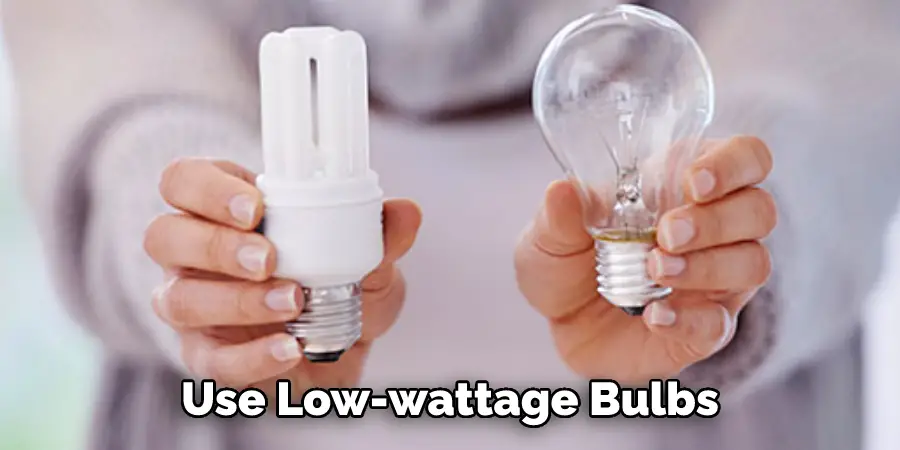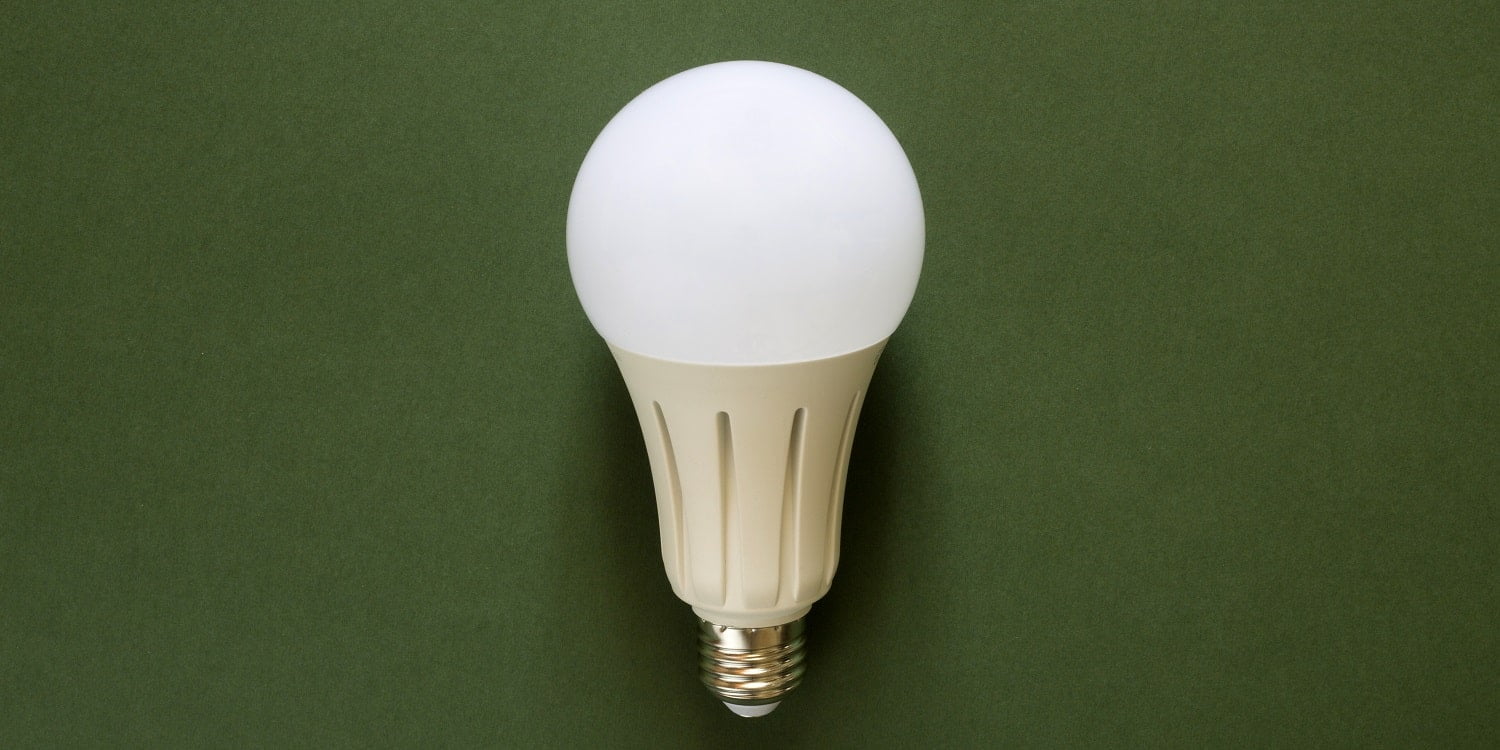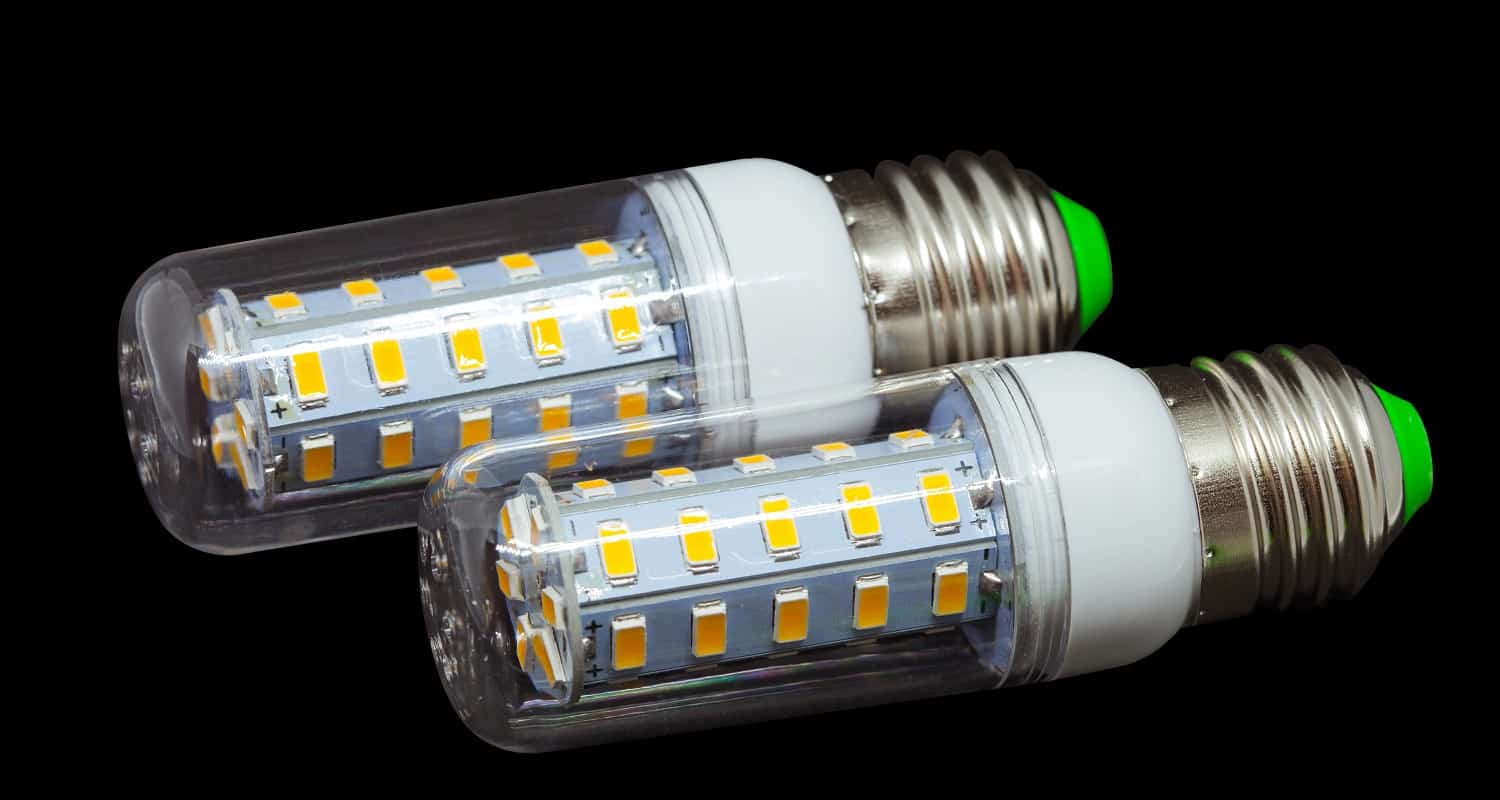
Okay, so picture this: you’re in the middle of a serious Netflix binge, snacks are on point, blanket is perfectly draped, and then… poof! The light in your favorite reading lamp goes out. Disaster! You rummage through that mysterious junk drawer (we all have one, don't lie), and what do you find? A bulb! But wait, it’s a 40-watt, and your lamp clearly says "Max 60W."
Immediately, that little voice in your head pipes up, "Can I even use this? Am I going to blow up my lamp? Or worse, my entire house?"
The Great Wattage Conundrum: Lower is (Usually) A-OK!
Deep breaths, my friend. Let's chat about this, because it’s actually a super common question, and the answer is almost always a resounding, "Yup, you’re good to go!"
Think of it like this: your lamp fixture (or any light fixture, really) has a maximum wattage rating. That "Max 60W" isn't a suggestion, it's a warning label. It’s telling you, "Hey, anything above 60 watts, and you're entering Melt-Zone territory. Possibly even Fire-Hazard-Ville." Scary stuff, right?
But here’s the neat trick: that maximum rating is about how much electrical current the fixture can safely handle without overheating the wires, the socket, or the insulation. When you pop in a lower watt bulb, say a 40W in a 60W max fixture, you’re actually asking for less current. It’s like telling your car to go 30mph when it’s capable of 100mph. Totally fine! In fact, it's safer!
So, the short and sweet of it? Going lower in wattage is almost always perfectly safe. Phew, collective sigh of relief, right?
What Actually Happens When You Go Lower?
Prepare for a mind-blowing revelation:
It gets… dimmer.
I know, I know, revolutionary stuff. But seriously, that’s the main, and usually only, noticeable effect. Your lamp won't spontaneously combust, it won't flicker ominously (unless the bulb itself is faulty), and it certainly won't call the Fire Department on your behalf.
Instead, your room might just get a little more "mood lighting" than you originally intended. If you were aiming for bright, surgical-suite-level illumination, you might be a tad disappointed. But if you’re just trying to not trip over the cat, it’ll do the trick!
It’s like putting sunglasses on your lamp. Still works, just… less bright. Simple as that!
When Might Going Lower Not Be Ideal?
While safe, it's not always practical. For instance:
- If it's your only light source in a dark room and you're trying to read a tiny font, you might end up squinting yourself into a headache.
- In a bathroom vanity, a lower-watt bulb might make you look like you haven't slept in a week (not exactly the confidence boost you want for your morning routine!).
- Some specific appliances, like an oven light, are designed to give off a certain amount of light to actually see what's cooking. A much lower watt bulb might render it useless.
But these are comfort and utility issues, not safety concerns. Your lamp won't complain, just your eyeballs!
A Quick Word of Caution: DON'T Go Higher!
We’ve established that going lower is okay. But let's take a quick detour to reiterate the opposite: Never, ever, ever go above the maximum wattage rating.
Seriously, this isn't a game. That’s when you run the risk of overheating, melting wires, damaging the fixture, or even—gulp—a fire. The fixture just isn't built to handle that much heat or electrical load. So, if your lamp says "Max 60W" and you've only got a 100W bulb, step away from the socket, my friend. Just don't do it!
What About Those Fancy New Bulbs? (LEDs and Such!)
Ah, the modern marvels! With LEDs, the "wattage" game changes a bit. An LED bulb that gives off the same amount of light as a traditional 60-watt incandescent might only *actually* consume 9 or 10 watts. Wild, right?
So, if your fixture says "Max 60W" and you pop in a 10-watt LED that's "60-watt equivalent" in brightness, you're still well within the safe zone, and you're using even *less* power. It’s a win-win! LEDs generally produce very little heat compared to old incandescents, making them super safe even when they're bright.
The Bottom Line: Don't Sweat the Small (Watt) Stuff!
So, next time you're in a pinch and only have a lower-watt bulb lying around, go ahead and use it! Your lamp will be fine, your house will be safe, and you'll still be able to find your way to the fridge for more snacks.
It might just be a little cozier, a little more atmospheric. Who knows, you might even discover you *prefer* the softer glow! So light it up (safely, of course!) and carry on with your day.