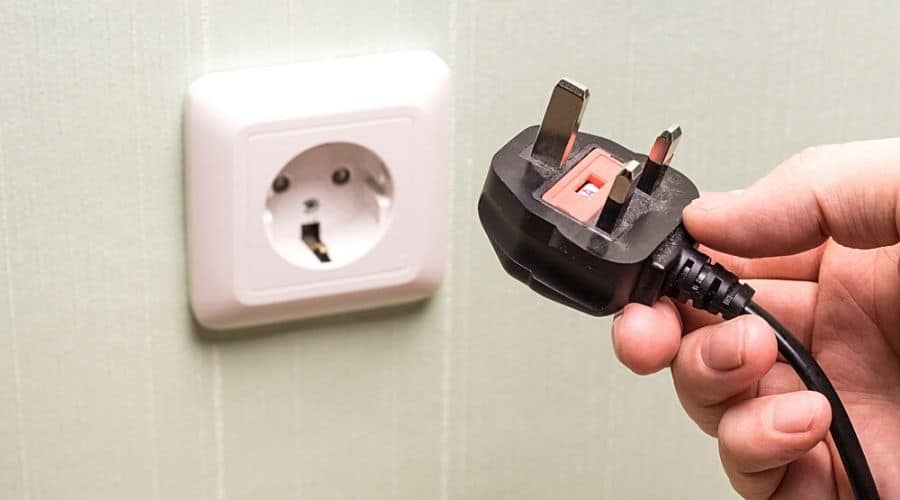
You’ve done it before, haven't you? Stood there, weary from travel, staring at an unfamiliar power outlet in a hotel room. Your trusty
For many, the very thought conjures images of sparks, smoke, or a catastrophic electrical meltdown worthy of a Hollywood movie. We've been conditioned to think electricity is a volatile beast, ready to pounce at the slightest misstep. But what if I told you the reality, for this specific scenario, is often far less dramatic, and dare I say, a little… underwhelming?
Imagine your friend, Bernice, who recently moved from a country with 220V electricity to one with 110V. Bernice, a creature of habit, unpacked her beloved This, my friends, is the most common outcome when you plug a 220V appliance into a 110V outlet. It's not a dramatic explosion; it's more of a Think of it like this: your 220V appliance is a high-performance athlete, built for speed and power. When you plug it into a 110V outlet, it's like asking that athlete to run a marathon in a swamp. They’re still trying, still putting in effort, but they're getting only half the energy they need. They'll be incredibly slow, terribly inefficient, and ultimately, unable to perform at their best. Take "It was like my hairdryer was on a permanent vacation, just enjoying the scenery instead of doing its job!" This is where the humor lies. The powerful toaster that gently warms your bread over ten minutes, resulting in a slightly crisped, mostly still soft slice. The mighty vacuum cleaner that putters around, barely able to suck up a stray crumb. They aren't breaking; they're simply The reason for this lack of drama is quite simple, without getting too technical. The appliance is designed to handle a certain "push" of electricity (voltage). When it gets less push than it expects, it just can't work as hard. It's like a car designed for premium fuel being given regular. It'll still run, but not optimally. Now, let's be clear: while plugging a 220V into 110V is generally harmless to the device itself (it just won't work well), the reverse—plugging a 110V device into a 220V outlet—is a completely different story. That’s like giving your regular car jet fuel; it’s too much power, and *that* can lead to sparks, smoke, and a genuinely ruined gadget. Always check the labels! So, the next time you're faced with that travel dilemma, remember Bernice's sleepy kettle and Aunt Mildred's lazy hairdryer. While it's always best to use the correct voltage or a proper It’s a surprising, funny little quirk of electricity—a gentle reminder that sometimes, less power doesn't mean disaster, just a slower, sillier journey. And perhaps, a good excuse to truly unplug and enjoy the moment, rather than fret over perfectly toasted bread or perfectly dry hair.The Case of the Sleepy Appliance
Why So Chill?
The Gentle Reminder